Whether it’s a wedding, family portraits, headshots or an event, hiring a photographer is a significant decision. You only get one chance at many moments, and photographers vary widely in style, experience and business practice. This guide explains what to check before booking a photographer in Melbourne, including portfolios, contracts, copyright, location permits and your rights under the Australian Consumer Law. We don’t recommend particular photographers or businesses.
This guide is general information written in our own words, based on the sources listed at the end. It isn't legal advice. Rules, permit conditions and access arrangements change, so check with the land manager or authority before a shoot, especially if it's paid work. We're an independent site and aren't connected with any council, park manager or photography business.
Start with style
Photographers have distinct styles: documentary or posed, bright and airy or dark and moody, film or digital. Look at full galleries, not just highlight reels, to see how a photographer handles a whole event, including indoor and low-light parts. Ask to see work from venues or conditions similar to yours.
Meet or talk first
A short call or meeting tells you a lot about how a photographer communicates and whether you’ll be comfortable in front of them. Ask how they work on the day, how they handle family groups, what happens if they’re sick and who backs them up.
The contract
A clear written contract protects both of you. Check that it covers:
- Date, times and locations, including travel.
- What’s included: hours of coverage, number of edited images, albums, prints, second shooter.
- Delivery time for previews and the full gallery.
- Price, deposit and payment schedule.
- Cancellation and postponement terms, for both sides.
- What happens if the photographer can’t attend.
- Copyright and usage (see below).
- Permits and venue rules, and who is responsible.
- Insurance, such as public liability, which venues and land managers often require.
Copyright: read this part carefully
Section 35 of the Copyright Act says that if you pay for a photograph to be taken for a private or domestic purpose, you, the client, own the copyright, and the Act includes a wedding party and portraits of family members as examples. If you made the purpose known when you agreed, the photographer can restrain uses outside that purpose. Arts Law gives wedding photographs as an example of this rule.
The default can be changed by agreement, and many photographers’ contracts say the photographer keeps copyright and gives you a licence to use the photos personally. Neither approach is wrong, but you should know which applies. Common questions to check:
- Can you print the photos anywhere you like?
- Can you share them on social media, and must you credit the photographer?
- Can the photographer use your photos in their portfolio, advertising or competitions?
- Can you use them for a business, such as a product launch?
Read our copyright guide.
Location permits
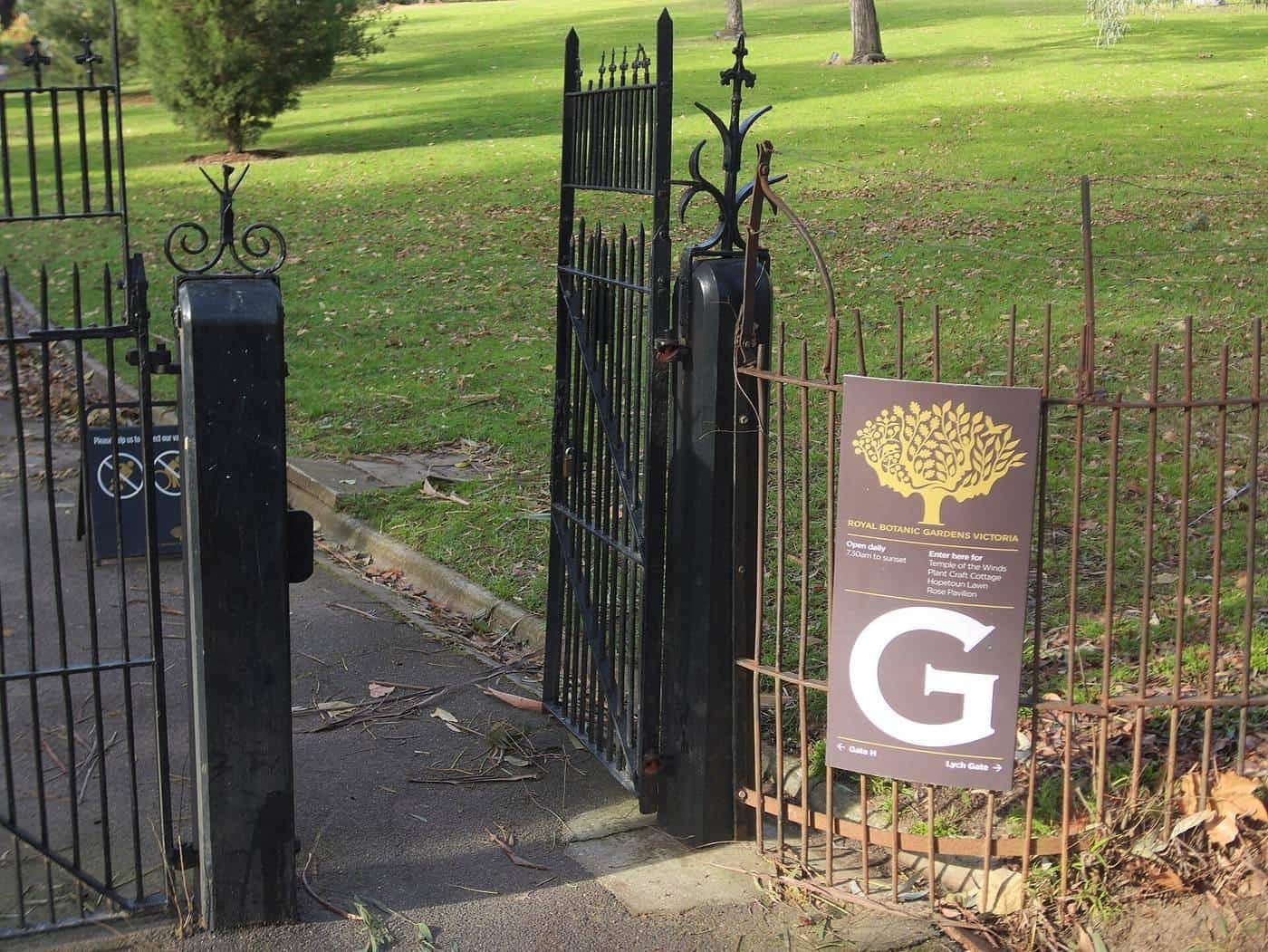
Many popular Melbourne locations require permits for professional photography. Royal Botanic Gardens Victoria requires a permit for professional wedding photography and asks for at least 10 working days’ notice. The City of Melbourne requires permits for some shoots in its parks and streets, including at the Fitzroy Gardens Conservatory. Parks Victoria generally requires permits for commercial photography in its parks. Ask your photographer which locations they plan to use, whether permits are needed and who will apply and pay. See our permits guide.
Drones
If drone shots are offered, ask how the photographer meets CASA requirements for commercial drone flying and any land manager rules. Read our drone guide.
Your consumer rights
The ACCC explains that services come with consumer guarantees under the Australian Consumer Law. Services must be provided with acceptable care and skill, be fit for any purpose you made clear, and be delivered within a reasonable time if no time was agreed. If a service fails to meet a guarantee, you may be entitled to a remedy, depending on whether the problem is major or minor. Contract terms can’t remove these guarantees.
Red flags
- No written contract.
- Pressure to pay in full immediately.
- Portfolio only of styled shoots, with no full real galleries.
- Vague answers about delivery times or backup plans.
- Unwillingness to discuss copyright or permits.
After the shoot
Back up your photos as soon as you receive them, in at least two places. Galleries hosted online may expire, so download full-resolution files. If there’s a problem with the delivery, raise it promptly and in writing.
Practising deliberately
Skills improve fastest with deliberate practice. Pick one technique for each outing, such as blue hour exposures, reflections or candid portraits, and focus on it. Review your photos afterwards, note what worked and what didn’t, and go back to try again. Small, regular sessions teach more than occasional big trips.
Editing lightly
Good editing enhances what you saw rather than replacing it. Start with straightening, cropping and exposure, then adjust white balance, contrast and colour. Be careful with heavy filters and over-sharpening. If you photograph people, avoid edits that distort how they look without their agreement, and be honest when a composite or heavy edit is presented.
Backing up your photos
Keep at least two copies of photos that matter, ideally in different places, such as an external drive and a cloud service. Copy cards to your computer soon after each shoot, and don’t format a card until you’ve confirmed the backup. For paid work, a careful backup routine is part of a professional service.
Learning from others
Melbourne has camera clubs, photo walks, workshops, exhibitions and online communities where you can learn and share. Looking at other people’s work, and asking how it was made, is one of the fastest ways to improve. Be generous with feedback, and credit others when you borrow an idea or location.
Choosing gear
You don’t need expensive equipment to make good photos. A modern phone handles most situations well. If you upgrade, a camera with manual controls, a versatile lens and a small tripod covers most of the techniques in this guide. Before buying, think about what limits your photos now, and buy for that need rather than for features you won’t use.
How we write our guides
Every guide on this site is written in our own words from official and expert sources, such as the Arts Law Centre of Australia, the City of Melbourne, Royal Botanic Gardens Victoria, Parks Victoria, CASA, Geoscience Australia, the Bureau of Meteorology and the ACCC. We link to each source at the end of the page. We never invent statistics, quotes, prices or reviews, and we don’t accept payment to change what our guides say.
About this site
Photography Melbourne is an independent guide to photographing Melbourne: where to go, when the light is best, the rules that apply and how to work respectfully. We’re not a photography business, council, park manager or government agency, and we don’t sell or rank photographers or equipment. Our guides are general information with sources listed on every page.
Corrections and feedback
We review our guides against their sources and show the date each page was last checked. If you notice something out of date or incorrect, such as a change to a permit process or CASA rule, please tell us through our contact page. We read every message and correct mistakes promptly.
Plan with the golden hour calculator
Our free golden hour calculator shows sunrise, sunset, golden hour and blue hour for central Melbourne on any date, in Melbourne local time. It runs entirely in your browser, and nothing you enter is sent anywhere.
Questions to ask before you book
A few questions help you compare photographers fairly. Ask to see complete galleries from similar shoots, not just highlights, so you can judge consistency. Ask what is included: hours of coverage, travel, editing, the number of final images, delivery time and format, and whether prints or albums cost extra. Ask who owns copyright and what you can do with the photos; under the Copyright Act the position depends on the type of commission and any agreement, so get it in writing. Ask whether the photographer will arrange any location permits and who pays for them, and whether they carry insurance. Ask about cancellation, postponement and refund terms, and what happens if they are ill. The ACCC explains that consumer guarantees apply to services, which must be provided with due care and skill and within a reasonable time, and that businesses must not mislead you about what you are buying. Keep copies of the contract, quotes and messages. If something goes wrong, raise it with the photographer first, then seek help from Consumer Affairs Victoria if needed.
Key points
- Look at full galleries, not just highlights, to judge style and consistency.
- Get a clear written contract covering coverage, delivery, cancellation and backups.
- Under section 35, paid wedding and family photos generally belong to the client unless agreed otherwise.
- Professional shoots at many Melbourne locations need permits; agree who arranges them.
- The ACCC explains consumer guarantees for services, including due care and skill.
Frequently asked questions
Who owns the copyright in my wedding photos?
Under section 35 of the Copyright Act, if you pay for photos for a private or domestic purpose such as a wedding, you generally own copyright unless you agree otherwise. Many contracts change this, so read yours.
Does my photographer need a permit for the Botanic Gardens?
Royal Botanic Gardens Victoria requires a permit for professional wedding photography, with at least 10 working days’ notice. Ask who will arrange it.
What are my rights if a photographer doesn’t deliver?
The ACCC explains consumer guarantees for services, such as being provided with due care and skill and within a reasonable time. You may be entitled to a remedy if these aren’t met.
Should I pay a deposit?
Deposits are common. Make sure the contract says what happens to it if either side cancels.
Sources and further reading
Facts on this page were checked against these primary and official sources. Conditions change — confirm before you travel or buy.
- Repair, replace, refund, cancel — ACCC
- Copyright Act 1968, section 35: ownership of copyright — AustLII
- Copyright information sheet — Arts Law Centre of Australia
- Filming and photography — Royal Botanic Gardens Victoria
- Filming permits — City of Melbourne