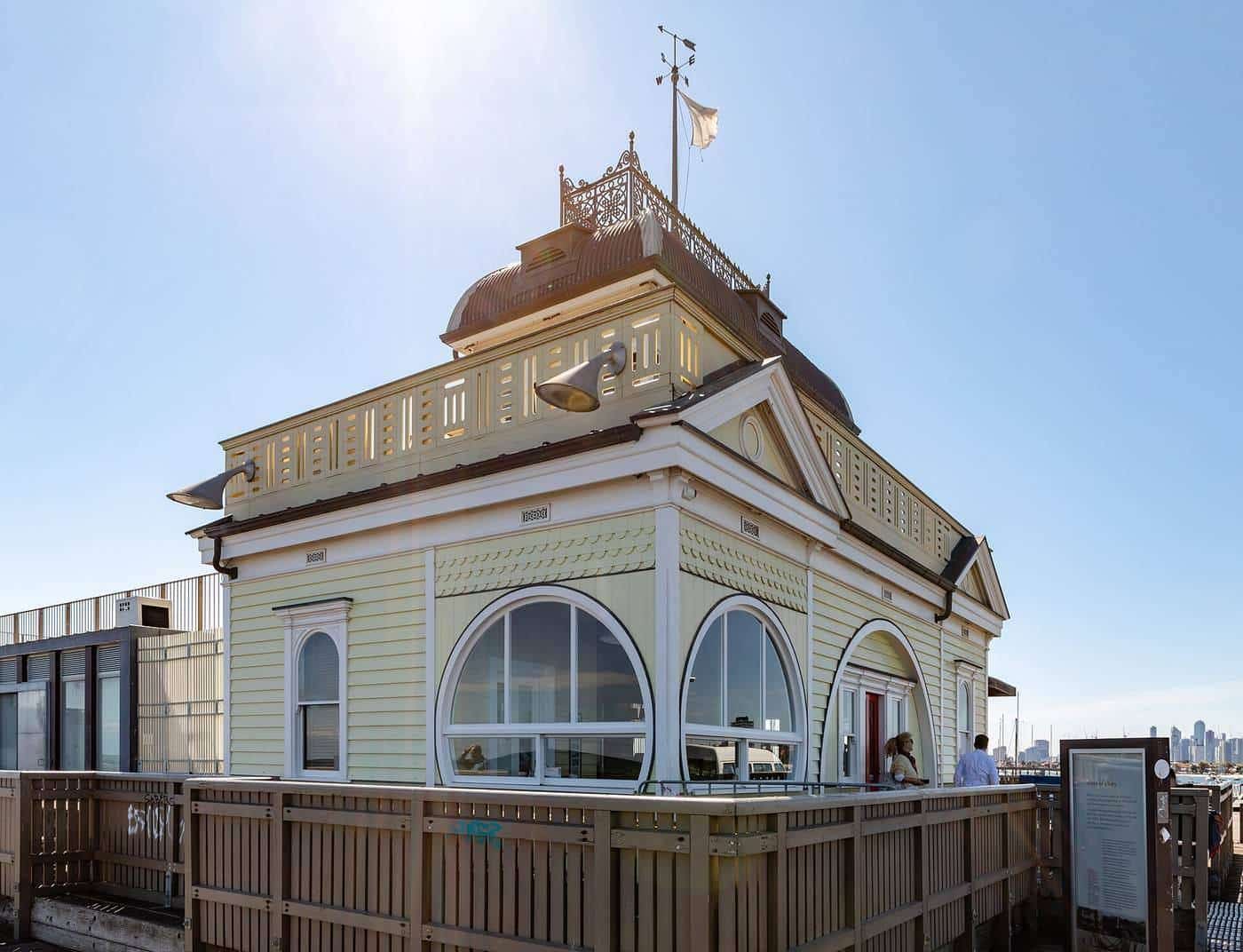
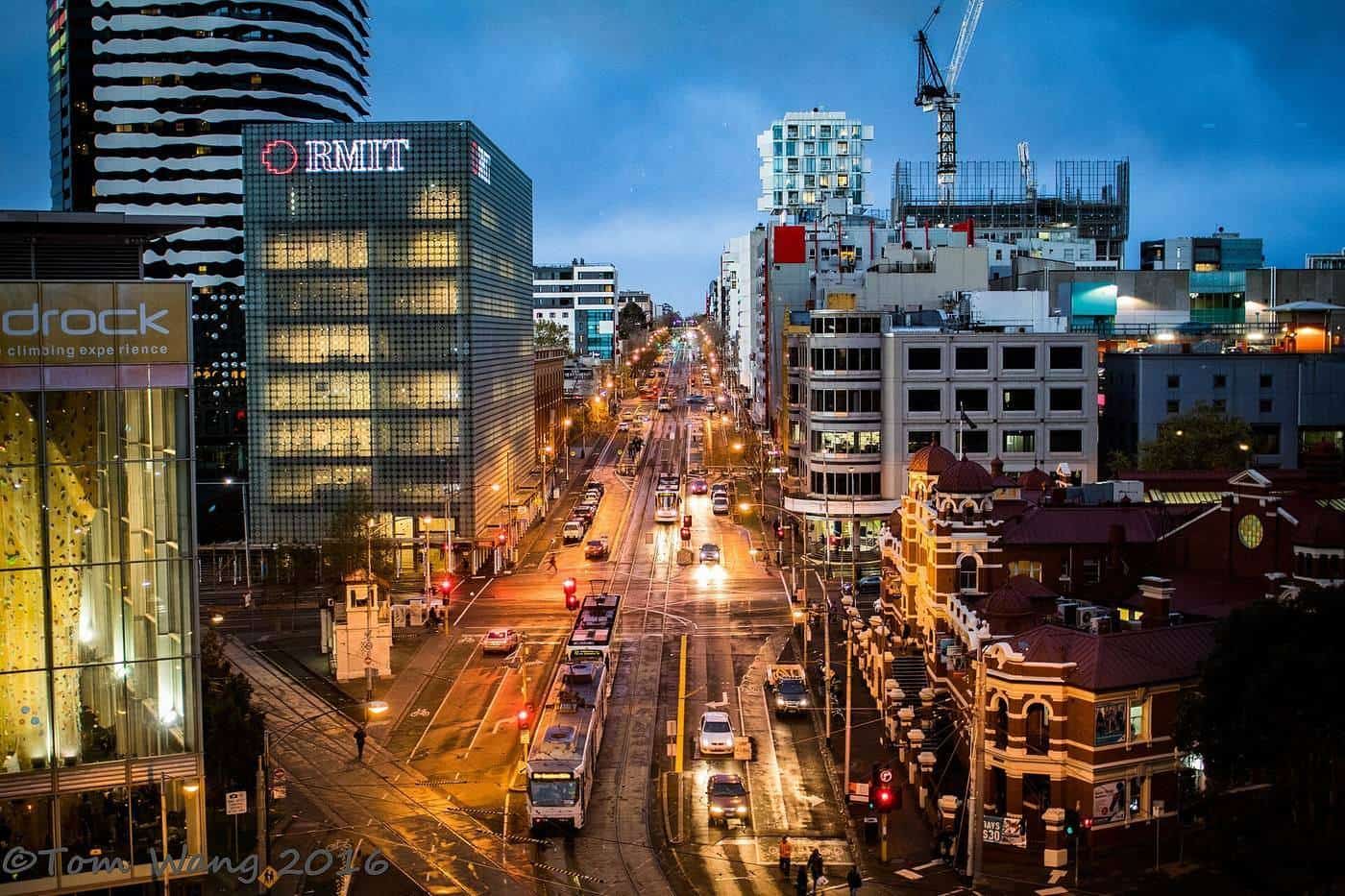
Melbourne is one of the most photogenic cities in Australia. Its laneways, river, bay and gardens offer something for every kind of photographer, from phone-wielding visitors to professionals shooting weddings. Photography Melbourne is an independent guide to photographing the city well: where to go, when the light is best, how to handle night and street photography, and the rules that apply, from photos in public to permits, drones and copyright.
Start here
- Places CBD laneways, the Yarra and Southbank, the bay and beaches, and parks and gardens.
- Rules Photography in public, drones, location permits and copyright.
- Skills Golden hour and weather, night photography, street photography ethics and hiring a photographer.
Plan your light
Light is the single biggest factor in a good photograph. Our free golden hour calculator shows sunrise, sunset, golden hour and blue hour for central Melbourne on any date. It uses Geoscience Australia’s definitions for sunrise and sunset, and the standard 6-degree definition of civil twilight, and shows times in Melbourne local time including daylight saving. Read our golden hour guide to learn how to use it.
Know the rules
The Arts Law Centre of Australia explains that it is generally possible to take photographs in a public place without asking permission, including of buildings, sites and people. But there are limits. Private property owners can set conditions. Commercial shoots often need permits: Royal Botanic Gardens Victoria requires them for professional wedding photography, Parks Victoria generally requires them for commercial photography in its parks, and the City of Melbourne requires them for larger or disruptive shoots. CASA’s drone rules make most city flying off-limits for recreational pilots. Our rules guides explain each in plain language.
Find your places
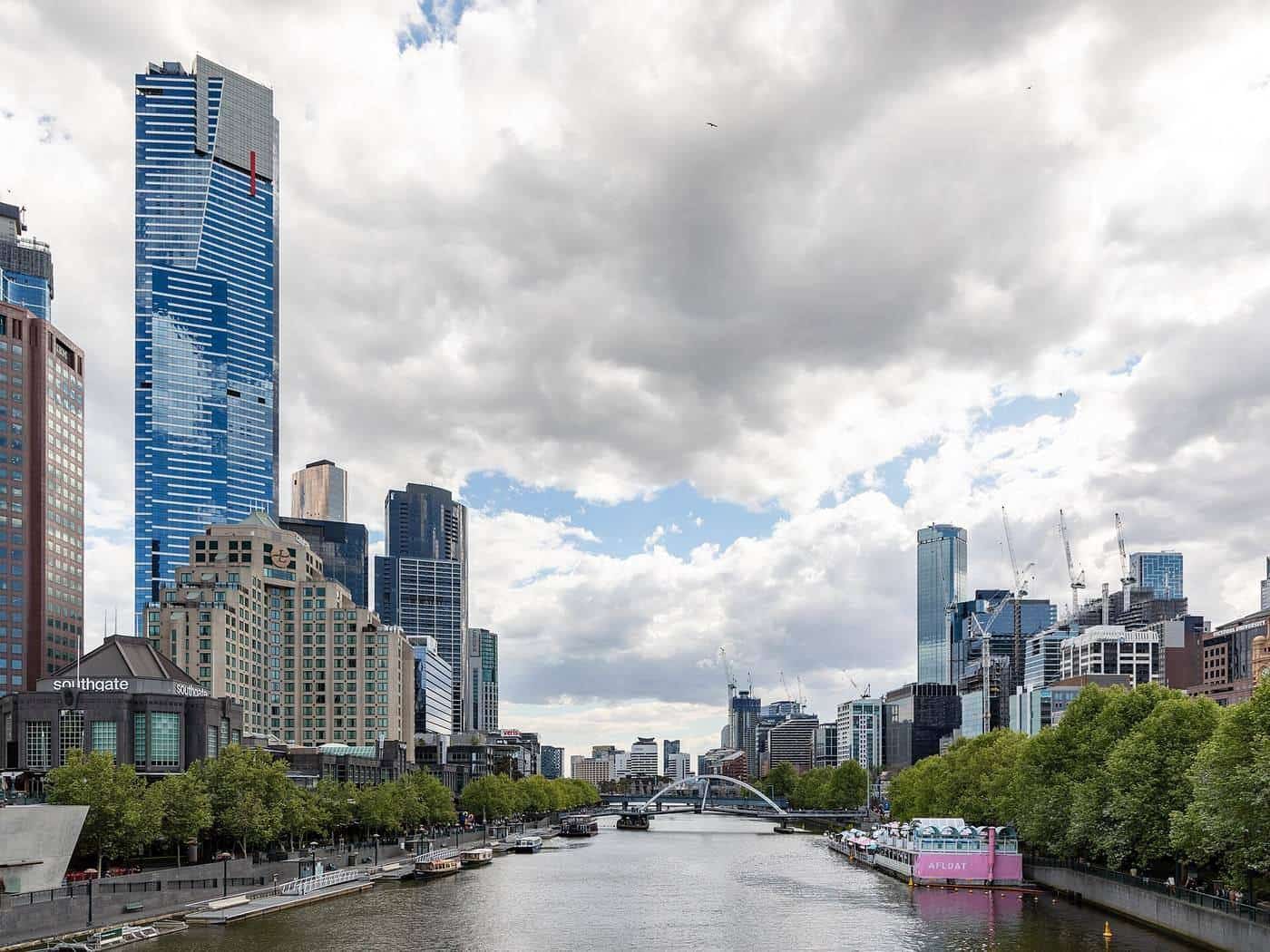
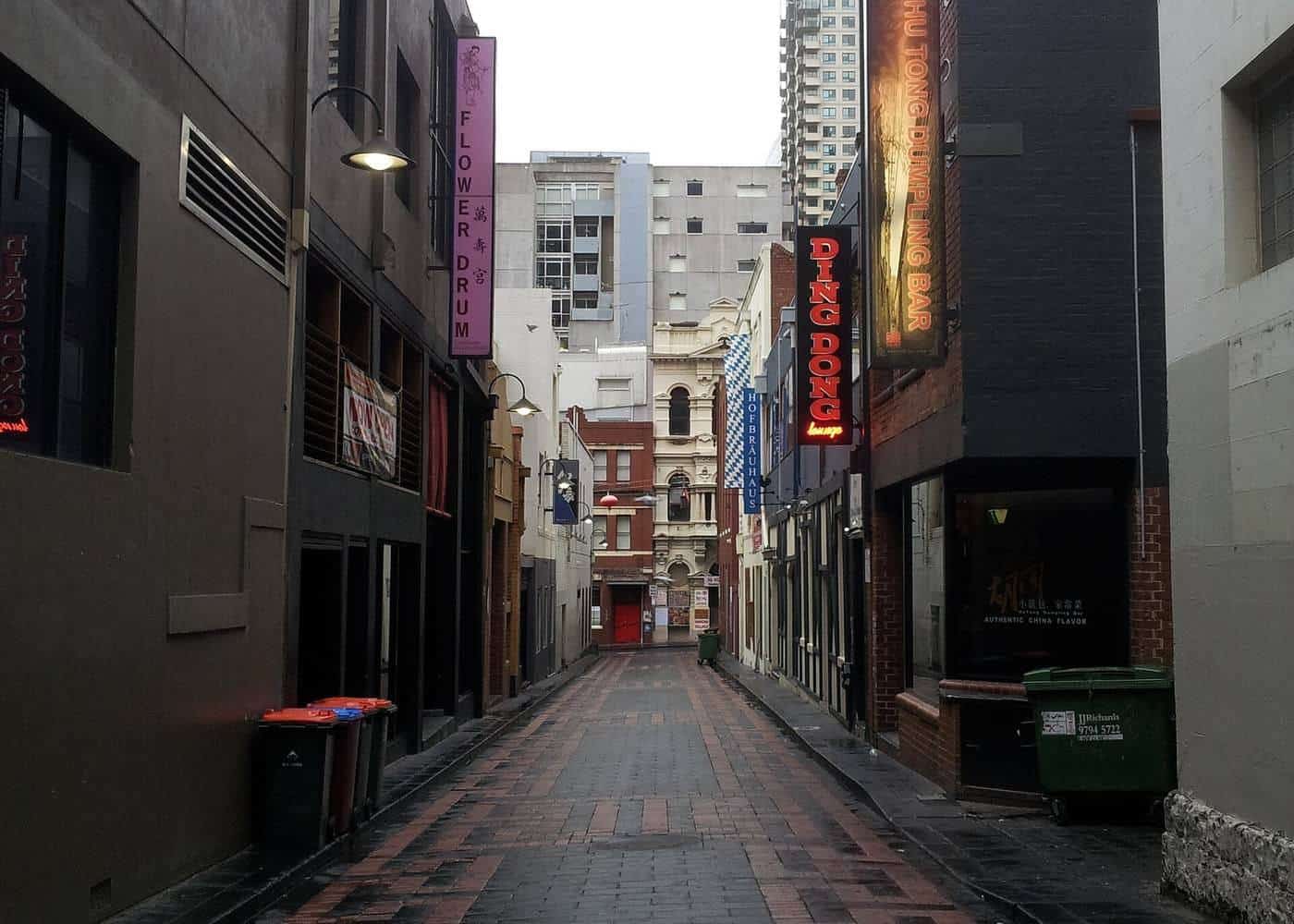
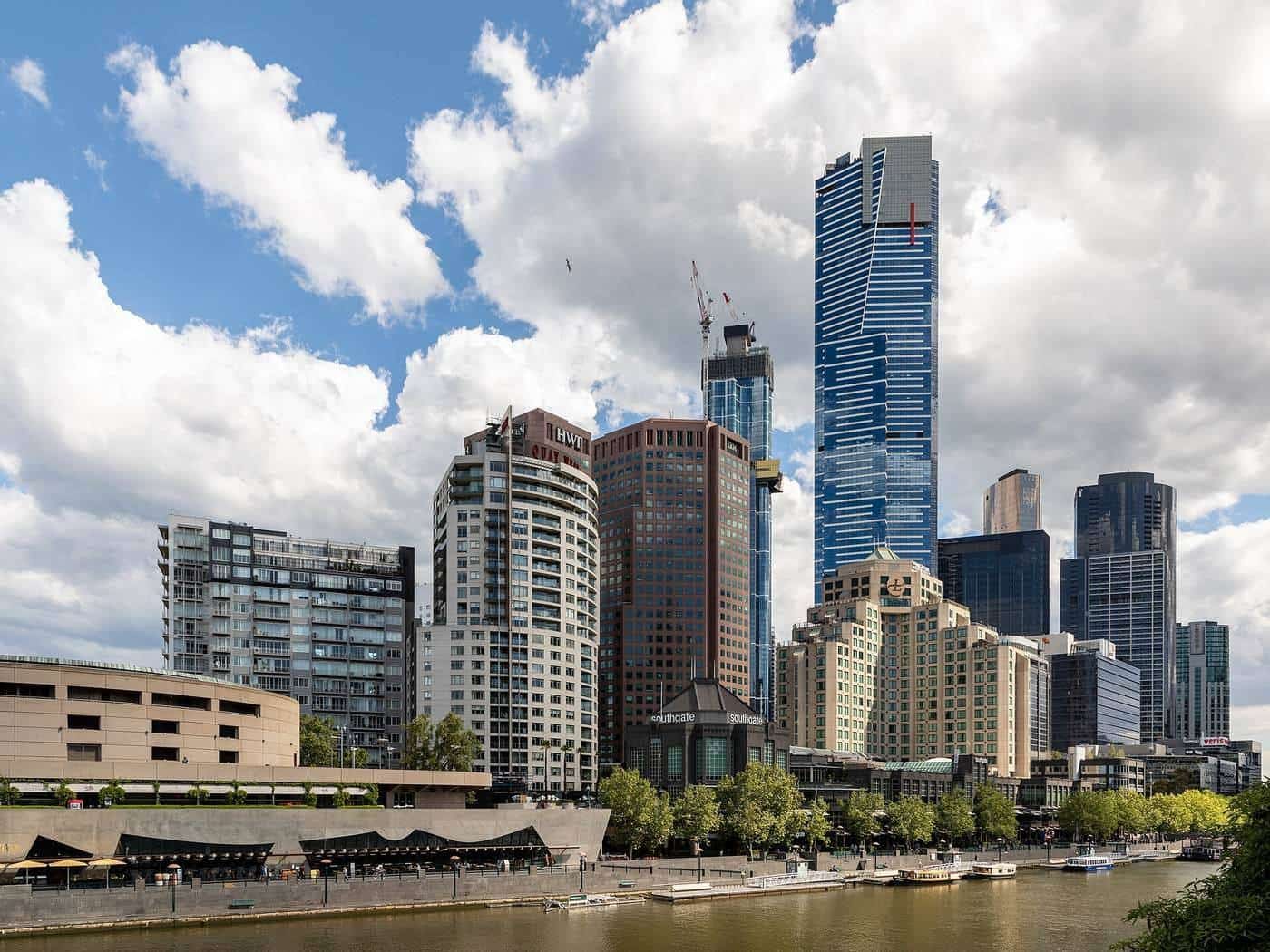
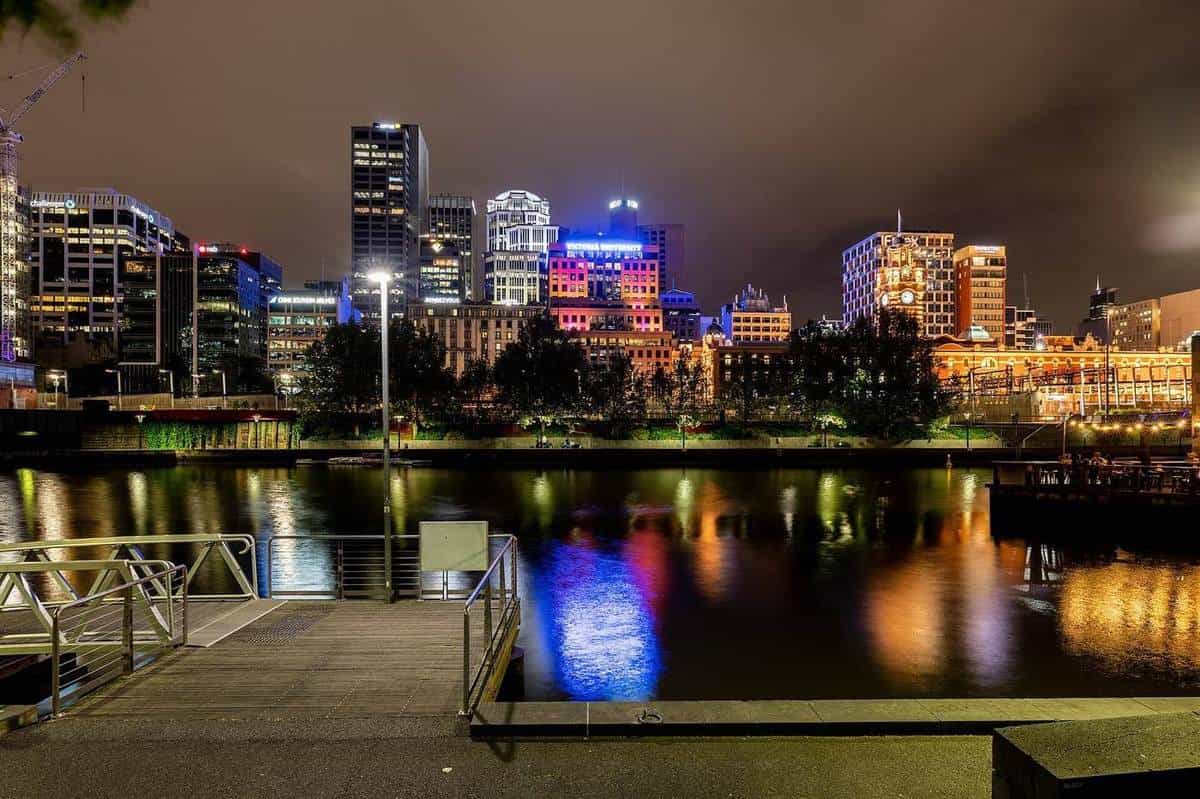
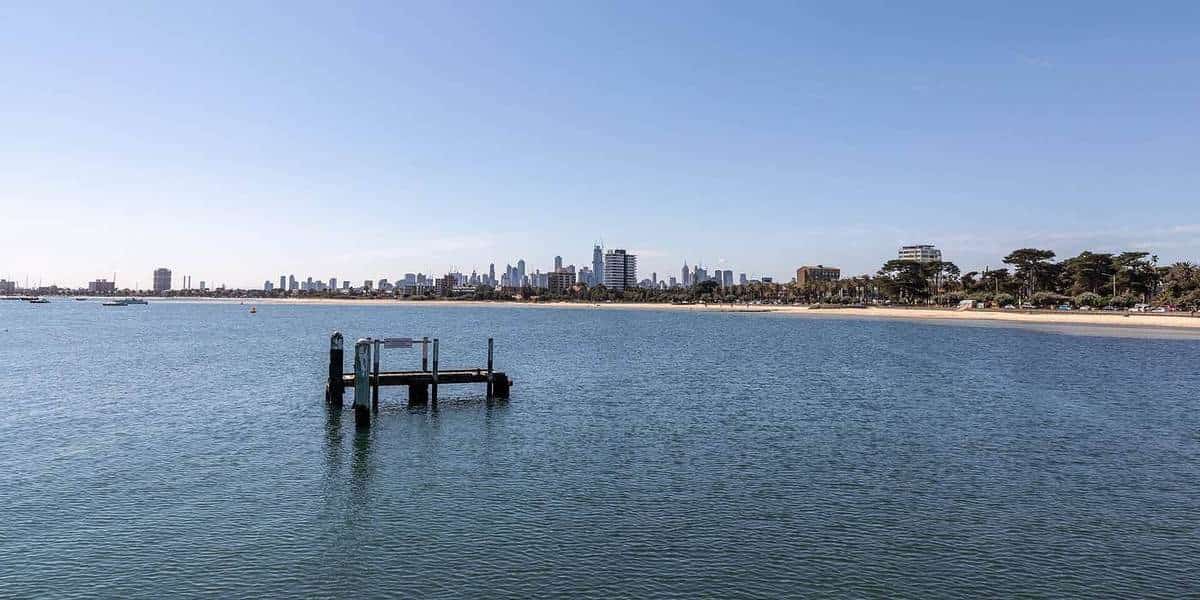
Laneways give soft light and endless street art. The river and Southbank shine at blue hour. Bayside beaches face the sunset, with piers and bathing boxes. Gardens reward early mornings and every season. Our places guides cover light, composition and the courtesies that apply at each.
Photograph people respectfully
Street and portrait photography are at the heart of Melbourne’s photo culture. Our street photography ethics guide explains when to ask, how to handle objections and what to think about before publishing photos of people.
Hiring a photographer?
If you’re booking a wedding, family or event photographer, check their full galleries, the contract, who owns the copyright, which locations need permits and who will arrange them. The ACCC explains the consumer guarantees that apply to services. Our hiring guide has a checklist.
Melbourne through the seasons
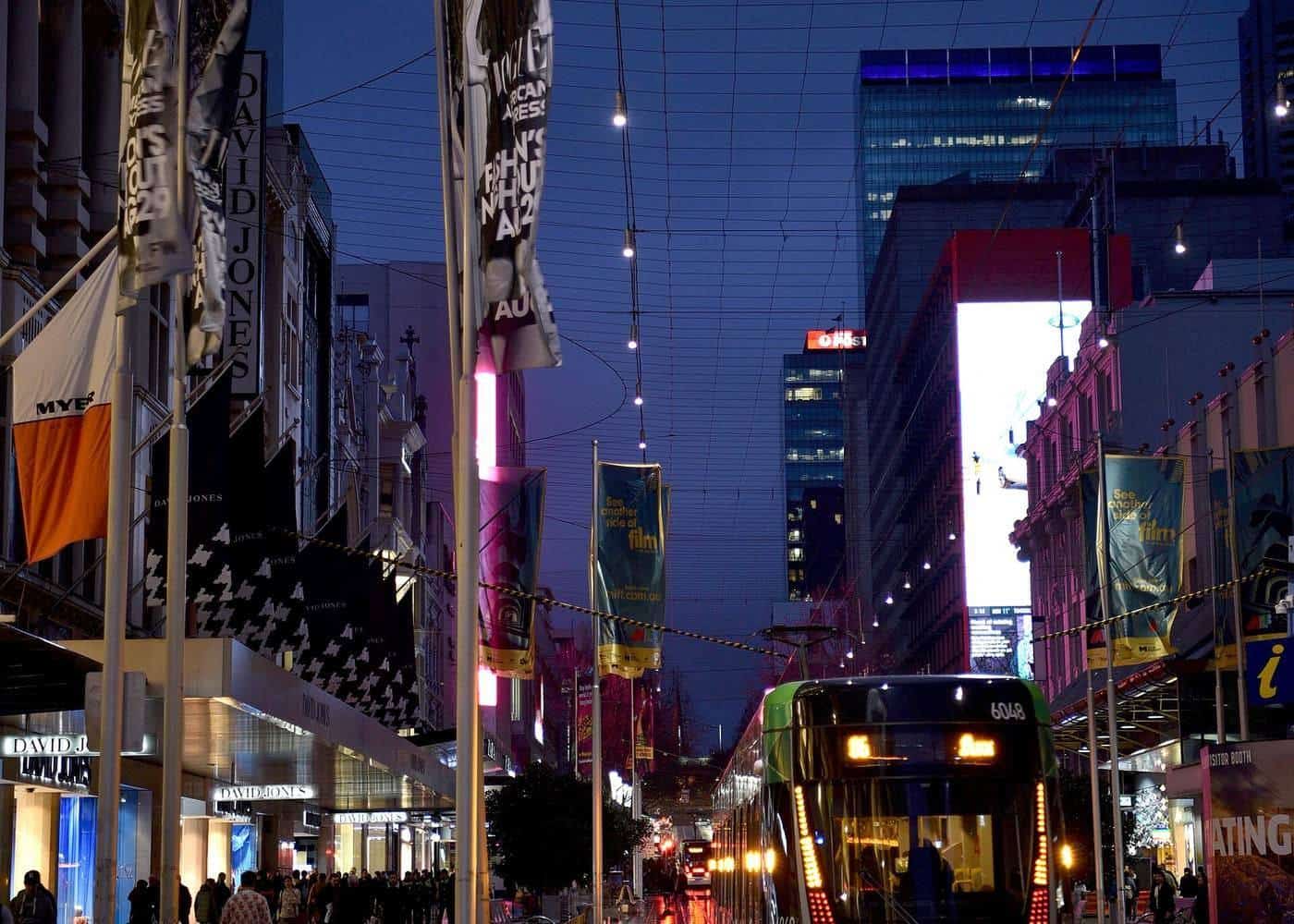
Each season changes the city. Summer brings long evenings and late sunsets over the bay. Autumn turns the gardens gold and red. Winter brings mist, moody skies and early blue hours that suit city lights. Spring brings blossom, flowers and changeable skies. Returning to the same place through the year is one of the most rewarding photography projects in Melbourne.
Weather that works for you
Melbourne’s changeable weather is a gift. Overcast skies soften light for portraits and gardens, rain creates reflections in laneways, and breaking cloud brings colourful sunsets. Check the Bureau of Meteorology forecast before you go, and have a wet-weather backup in the arcades and laneways.
For visitors
If you’re visiting Melbourne, you can reach most places in our guides by tram or train. Travel light, keep valuables secure and plan around the light with our calculator. Respect private property, keep tripods out of walkways and enjoy one of the world’s great photography cities.
A practical weekend plan
If you have a weekend in Melbourne and want a mix of places, try this outline and adjust it with the golden hour calculator. On Saturday, start early in a garden for soft light and quiet paths, then move into the CBD laneways mid-morning when shade keeps contrast manageable. In the afternoon rest or explore indoor markets and arcades, then return to the river for blue hour. On Sunday, travel bayside for morning light on piers and bathing boxes, then finish with a longer golden-hour session facing the sunset. Keep the plan flexible: Melbourne weather changes quickly, and an overcast day is often better for laneways and portraits than a harsh clear noon.
Transport, gear and staying considerate
Most locations in our guides are reachable by tram or train. Travel light so you can move between lanes and platforms without blocking other people. A small bag, a charged phone or camera, a rain cover and comfortable shoes matter more than extra lenses you will not use. Keep tripods out of narrow footpaths, ask before photographing people at close range when it feels appropriate, and leave private property as you found it. If a ranger, venue staff member or resident asks you to move, do so politely. Respectful habits keep Melbourne’s best photo spots open for everyone.
Reading official sources
We cite primary sources on every page so you can check the current rule yourself. Arts Law explains street photographers’ rights in plain language. The City of Melbourne, Royal Botanic Gardens Victoria and Parks Victoria publish their filming and photography permit processes. CASA publishes drone rules and safety guidance. Geoscience Australia explains how sunrise, sunset and twilight are defined. The Bureau of Meteorology provides forecasts and radar. The ACCC explains consumer guarantees that apply when you hire a photographer. Our guides rewrite those sources in everyday language; they are not a substitute for the originals or for legal advice.
Equipment you already own
You do not need specialised gear to photograph Melbourne well. A modern phone handles laneways, gardens and blue-hour cityscapes surprisingly well if you hold it steady and expose carefully. A compact camera or mirrorless body adds flexibility for night work and shallow depth of field, but the location, light and timing matter more than the brand on the grip. Learn one camera thoroughly before upgrading. Extra lenses are useful only when you already know which focal lengths you reach for most often.
Aftercare for files and backups
Good habits after the shoot protect the work you just made. Import files the same day when you can, keep a second copy on a separate drive or trusted cloud backup, and name folders by date and place so you can find frames later. Export web-sized versions for sharing and keep originals untouched. If a shoot was commercial or involved a permit, store the paperwork with the files. Organised archives turn a weekend of shooting into a lasting collection rather than a hard-drive jumble.
About this site
Photography Melbourne is a new, independent site with original content. We don’t sell photography services, rank photographers or review equipment, and we never invent statistics, prices or quotes. Read our editorial policy to learn how we work.
Five things worth knowing
- Photography in public is generally allowed without asking permission, as the Arts Law Centre of Australia explains, with specific limits.
- Commercial shoots often need permits. Royal Botanic Gardens Victoria, Parks Victoria and the City of Melbourne all have permit processes.
- The best light is low light. Plan around golden hour and blue hour with our calculator.
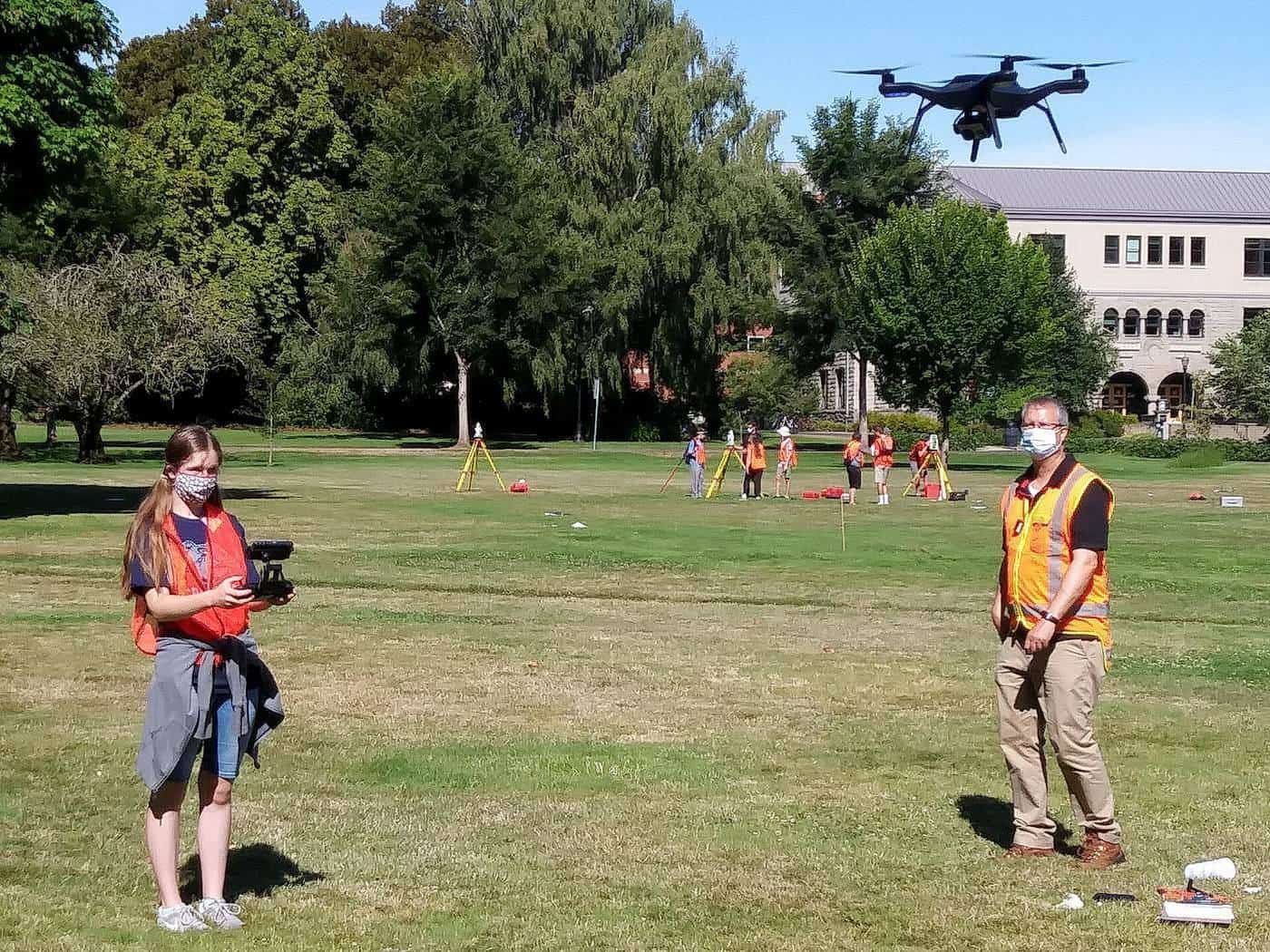
- Drones are tightly limited in the city. CASA rules keep recreational pilots 30 metres from people and away from populous areas.
- Wedding photos are a copyright special case. Under section 35 of the Copyright Act, the paying client generally owns copyright unless agreed otherwise.
Common mistakes to avoid
A few mistakes come up again and again. Booking a wedding shoot in the Botanic Gardens without a permit. Setting up a tripod across a narrow laneway footpath. Flying a drone over a crowded beach. Climbing on privately owned bathing boxes. Using flash on penguins at the St Kilda breakwater. Selling prints of a mural without asking the artist. Each is easy to avoid once you know the rules and courtesies, and our guides explain them.
About these guides
Photography Melbourne is an independent information site about photographing Melbourne. We aren’t a photography business, council, park manager, government agency or law firm, and we don’t sell, rank or recommend photographers or equipment. Our guides are general information written in our own words, with sources listed on every page. They’re not legal advice.
How we keep these guides current
We review each guide against its sources and show the date it was last checked. Permit processes, CASA rules and land manager conditions change from time to time. If you notice something out of date, please tell us through our contact page, and we’ll check and correct it.
Try the golden hour calculator
Our free golden hour calculator shows sunrise, sunset, golden hour and blue hour for central Melbourne on any date, in Melbourne local time. It runs entirely in your browser, and nothing you enter is sent anywhere.