The Yarra River runs through the heart of Melbourne, and the stretch between the city and Southbank is one of the easiest places to make a strong photograph. Bridges, riverside paths, rowing crews, city towers, reflections and lights after dark all come together within a short walk. This guide covers where to look, when to go, how to handle reflections and night exposures, and the basic rules about tripods and drones along the river.
This guide is general information written in our own words, based on the sources listed at the end. It isn't legal advice. Rules, permit conditions and access arrangements change, so check with the land manager or authority before a shoot, especially if it's paid work. We're an independent site and aren't connected with any council, park manager or photography business.
Getting oriented
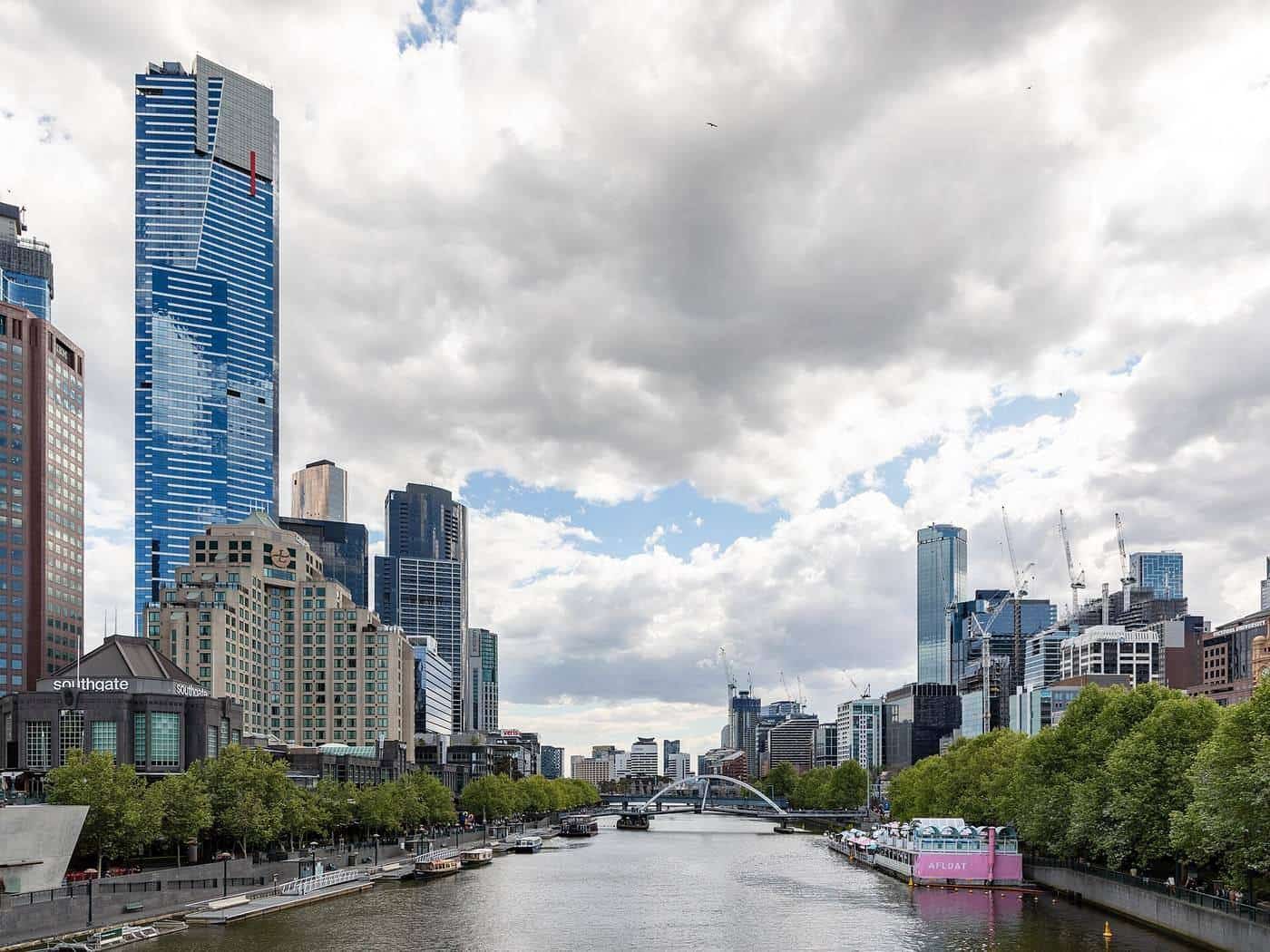
The river runs roughly east–west through the city centre, with the CBD on the north bank and Southbank on the south. That orientation matters for light: in the late afternoon the sun sits to the west, lighting faces of buildings that look west, and in the morning the eastern sky glows behind the parks and sporting precincts. Paths line both banks, and bridges connect them every few hundred metres, so you can easily cross to change your angle.
Classic viewpoints
- Bridges. Pedestrian and road bridges give elevated views up and down the river. Look for symmetry, light trails and boats passing under you.
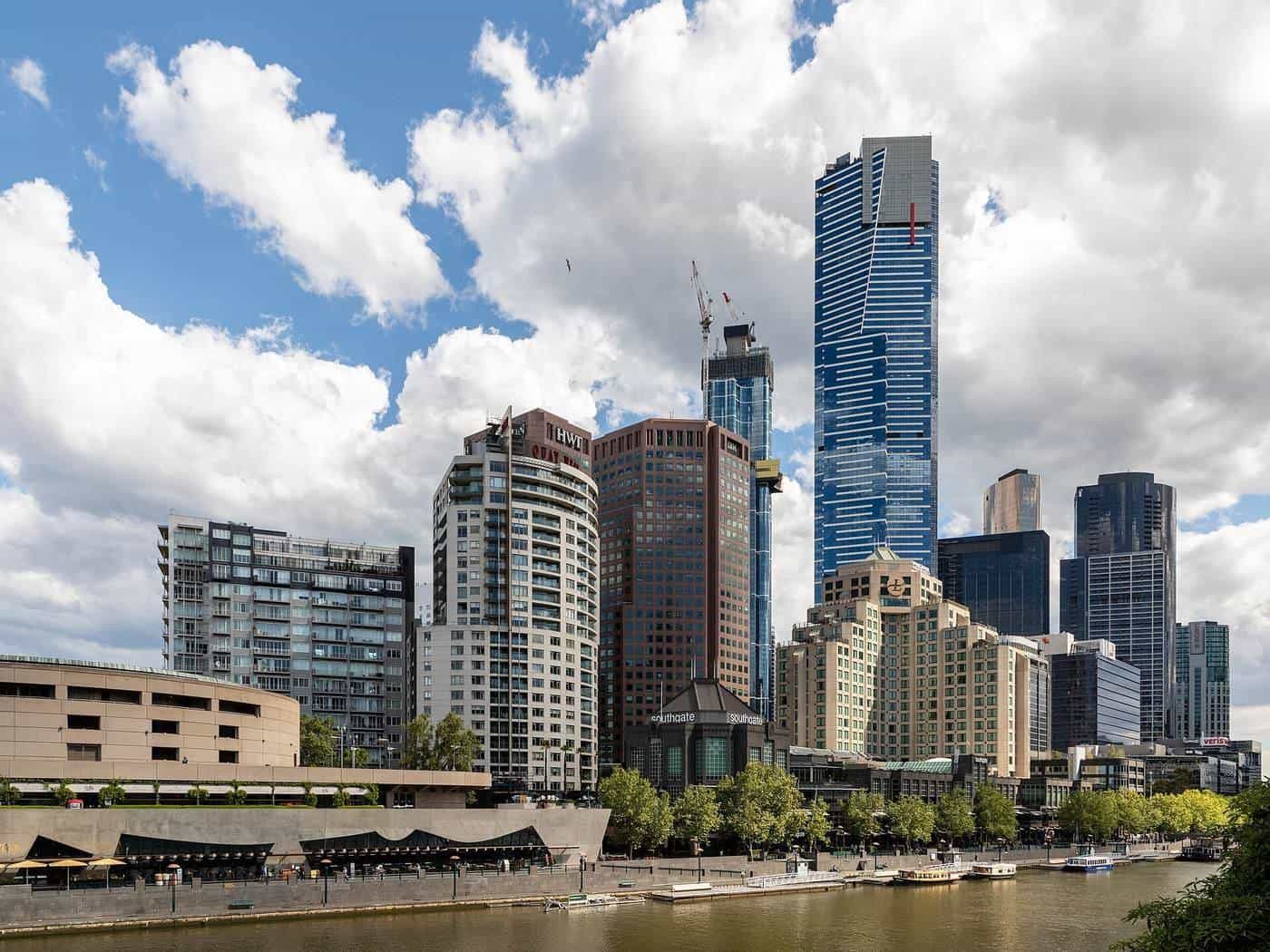
- Southbank promenade. Looking north across the water gives views of Flinders Street and the city towers, with reflections in calm conditions.
- North bank paths. Looking south shows Southbank’s towers, restaurants and arts precinct lit up at night.
- Further upstream. The river bends towards parkland and boatsheds, with rowers on the water early in the morning.
We avoid naming exact “secret spots”: the best way to find your own angle is to walk both banks at the time of day you plan to shoot.
Reflections
Calm water creates mirror images of the skyline. Wind ruffles the surface, so still mornings and evenings are best. Tips:
- Get low. A lower camera position makes reflections larger in the frame.
- Use a longer exposure at night to smooth small ripples into a glassy surface.
- Watch for boats. Passing ferries and rowing crews break reflections, though their wakes and lights can add interest.
- Check the forecast. The Bureau of Meteorology’s Melbourne forecast includes wind, which is the biggest factor for reflections.
Blue hour and night
Geoscience Australia defines civil twilight as the period when the centre of the sun is between the horizon and 6 degrees below it. Photographers often call the deep-blue part of twilight “blue hour”. It’s ideal for the riverfront, because the sky still has colour while the city lights are on, so the brightness of sky and buildings is closer to balanced. Use our golden hour calculator to find the times for your date.
For night shots, use a tripod or a steady surface, a low ISO, and an exposure of a few seconds. Bridges give opportunities for light trails from traffic. Read our night photography guide for settings.
Tripods and the path
The riverside paths are shared by walkers, runners, cyclists and diners. A tripod set up for a few minutes, out of the main flow, is generally fine for personal photography, but Arts Law notes that obstructing a public place can be an offence and that police may ask you to move on. The City of Melbourne’s filming permit information explains when a permit is needed in council-managed spaces, such as shoots that obstruct footpaths or use larger crews and equipment. Some riverside areas are managed by other bodies or are private forecourts with their own rules. See our permits guide.
Drones
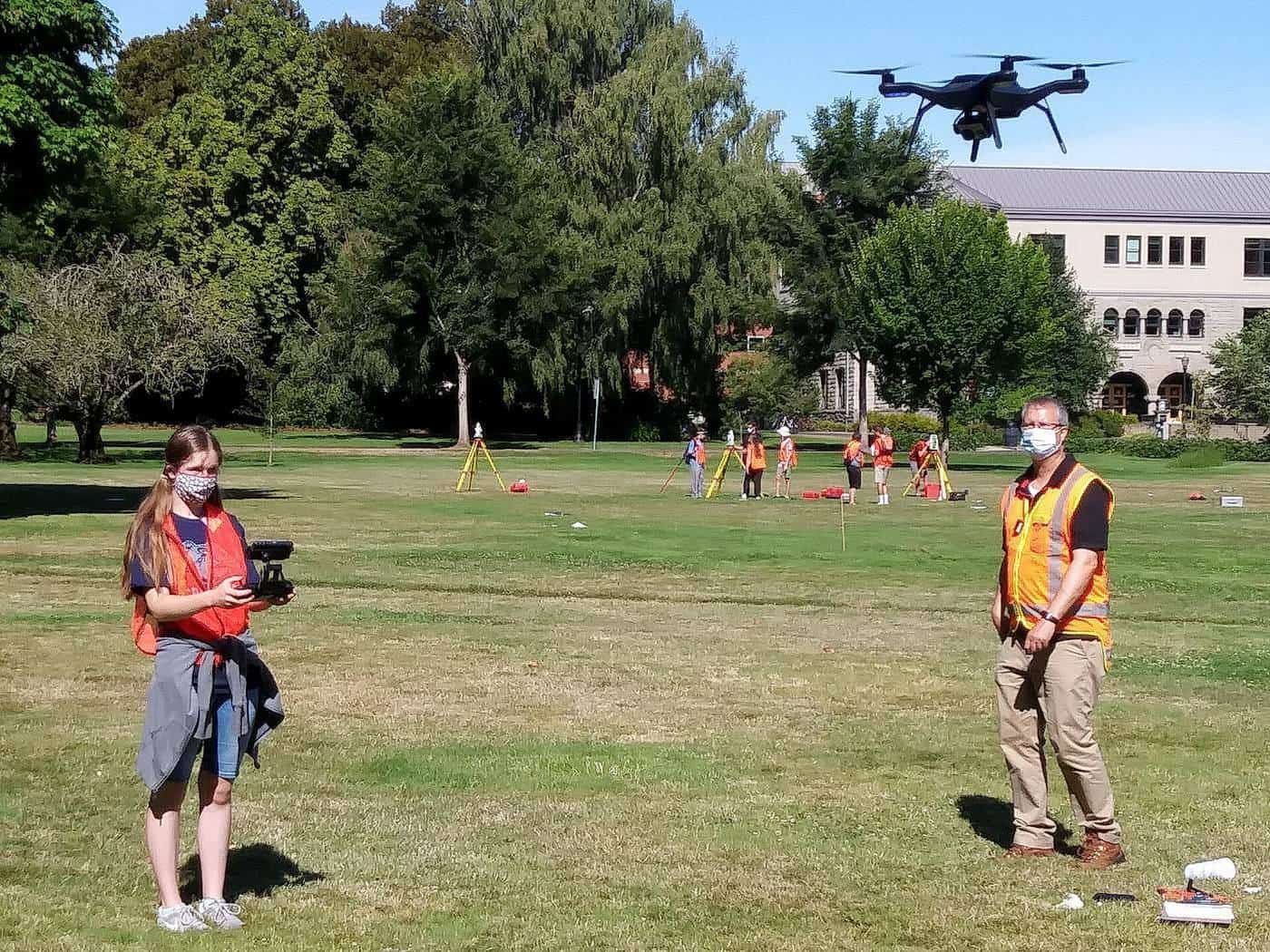
The river might look like open space, but it runs through a busy city. CASA’s drone rules say recreational pilots must not fly over or above people, must keep at least 30 metres away from people, must not fly in populous areas and must keep their drone within visual line of sight. Central Melbourne is also near controlled airspace. Read our drone guide before taking a drone anywhere near the city.
Composition ideas
- Use bridges as frames, shooting through arches or between railings.
- Include people for scale, such as a cyclist on a bridge or a rowing crew.
- Try a panorama of the skyline across the water.
- Look for repeating patterns in lamp posts, railings and bridge cables.
- Shoot from both banks at the same time of day to compare.
Safety by the water
Stay behind railings and away from edges, especially at night and in wet weather. Be aware of cyclists on shared paths, keep bags close in crowds, and don’t leave equipment unattended. If you’re out late, choose well-lit areas and let someone know your plans.
Events and crowds
The riverfront hosts festivals, fireworks and sporting crowds through the year. Events can bring spectacular photos, but also crowd control, closures and event organisers with their own conditions in fenced areas. Check event websites in advance and arrive early to find a public vantage point.
Getting there without a car
Most of the places in this section are easy to reach by public transport. Trams run through the CBD and along the main roads to the bay, and trains serve the bayside suburbs. Travelling light with a small bag, one camera and one or two lenses makes moving between locations easier, especially at busy times. Check timetables for late-night return trips if you plan to stay for blue hour or night shots.
What to pack
A compact kit is usually best for a day of photographing Melbourne: a camera or phone, a spare battery and memory card, a small cloth for rain or spray, a light rain jacket for the city’s changeable weather, water and a snack. A small travel tripod is useful at dusk, and a polarising filter helps with reflections on water and glass. Leave anything you don’t need at home; carrying less makes you more nimble and less conspicuous.
Revisiting the same place
One of the best ways to improve is to return to the same location in different light, weather and seasons. A laneway in winter rain looks completely different from the same lane on a summer evening. Keeping notes on the time, light direction and conditions of each visit helps you plan the next one. Over time you build a personal map of when each place looks its best.
Sharing your location photos
When you share photos online, think about the effect of tagging exact locations, especially fragile natural areas or places where wildlife lives. Popular tags can bring crowds that damage plants or disturb animals. For private property such as bathing boxes or homes, avoid sharing details that could identify owners. Crediting murals with the artist’s name, where you know it, is a good habit.
Accessibility
Many of Melbourne’s main photo spots, including riverside paths, the bayside foreshore and major gardens, have accessible paths, though laneways can be cobbled and uneven. Check the land manager’s website for accessibility information, such as accessible toilets, parking and step-free routes, before you go.
How we write our guides
Every guide on this site is written in our own words from official and expert sources, such as the Arts Law Centre of Australia, the City of Melbourne, Royal Botanic Gardens Victoria, Parks Victoria, CASA, Geoscience Australia, the Bureau of Meteorology and the ACCC. We link to each source at the end of the page. We never invent statistics, quotes, prices or reviews, and we don’t accept payment to change what our guides say.
Planning around events and crowds
The riverside is one of Melbourne’s main event spaces, so the same bank can be empty on a Tuesday morning and packed on a festival weekend. Check the City of Melbourne’s events listings before you go: big events bring fencing, stages and crowds that may block a favourite view, but they also bring lights, fireworks and atmosphere that can make a strong photograph. Arrive early to claim a spot without blocking paths, and keep tripods tucked in so they don’t trip anyone in the dark. On the water itself, rowing crews, ferries and tour boats share the river, so stay well back from jetty edges and never lean over railings for a shot. Wind can make long exposures of reflections blurry; calm evenings give mirror-like water, while a breeze gives softer, painterly reflections that suit slower shutter speeds. If you plan anything beyond casual photography, such as a styled shoot or a crew with lighting, check with the land manager first, because parts of the riverbank are managed by different bodies and each sets its own conditions.
Key points
- Still mornings and evenings give the best reflections; wind is the key factor.
- Blue hour balances city lights with the sky; civil twilight ends when the sun is 6° below the horizon.
- Keep tripods out of the flow on shared paths; larger shoots may need a permit.
- CASA rules on people, populous areas and line of sight make city drone flying very limited.
- Walk both banks at your planned time to find your own angle.
Frequently asked questions
Where can I photograph the Melbourne skyline from the river?
The riverside paths and bridges around Southbank, Flinders Street and the river’s bends give many public viewpoints. Walk both banks and look for reflections.
When is the best time to photograph the Yarra?
Blue hour, just after sunset or before sunrise, balances city lights with the sky. Still evenings give the best reflections.
Can I use a tripod on Southbank?
For personal photos, briefly and without blocking the path, usually yes. Larger shoots that obstruct paths may need a City of Melbourne permit.
Can I fly a drone over the Yarra in the city?
CASA rules say not to fly over or above people or in populous areas, and to stay 30 metres from people, which rules out most central city flying for recreational pilots.
Sources and further reading
Facts on this page were checked against these primary and official sources. Conditions change — confirm before you travel or buy.
- Filming permits — City of Melbourne
- Street photographer's rights — Arts Law Centre of Australia
- Drone rules — Civil Aviation Safety Authority
- Astronomical definitions — Geoscience Australia
- Melbourne forecast — Bureau of Meteorology