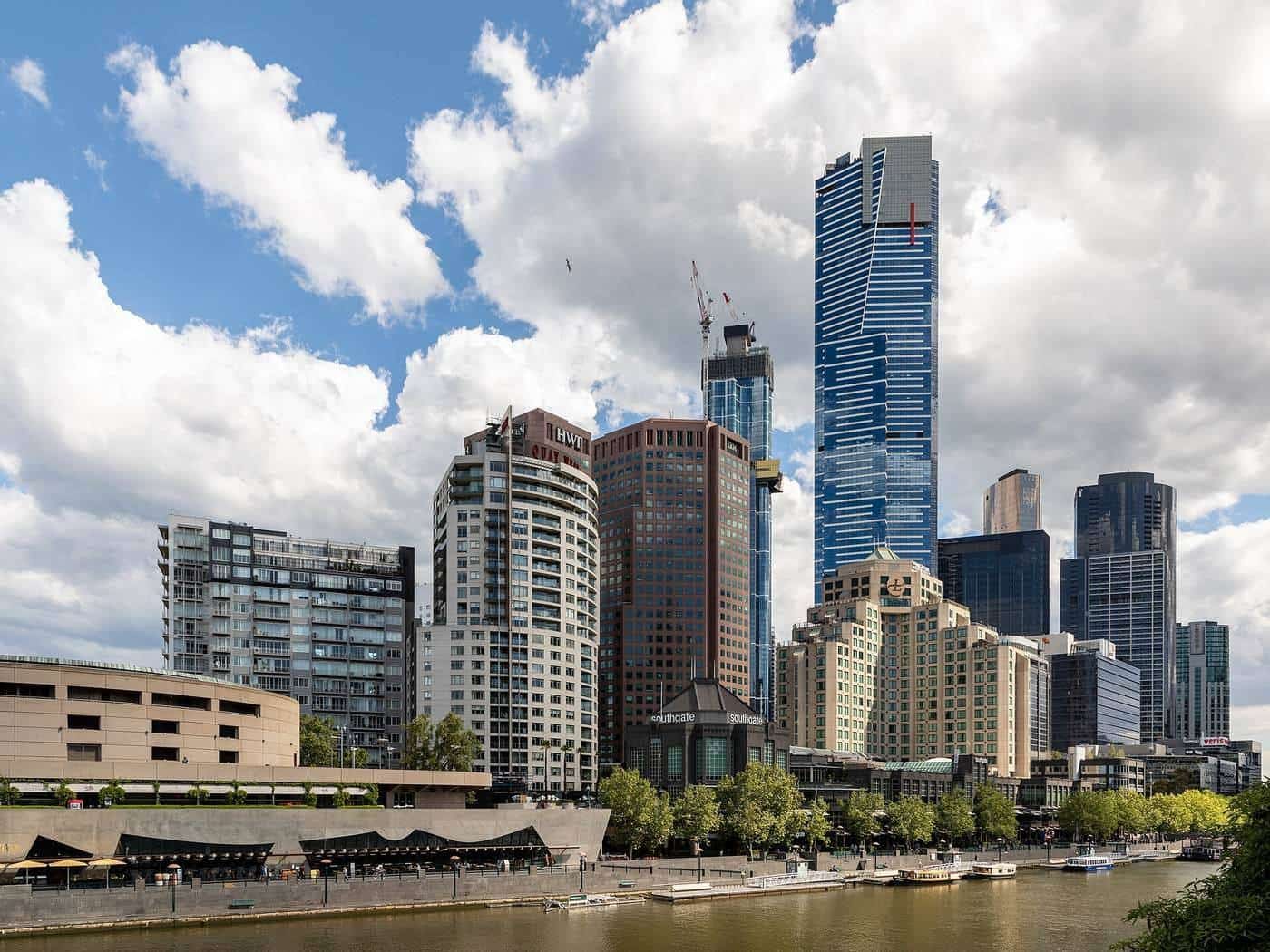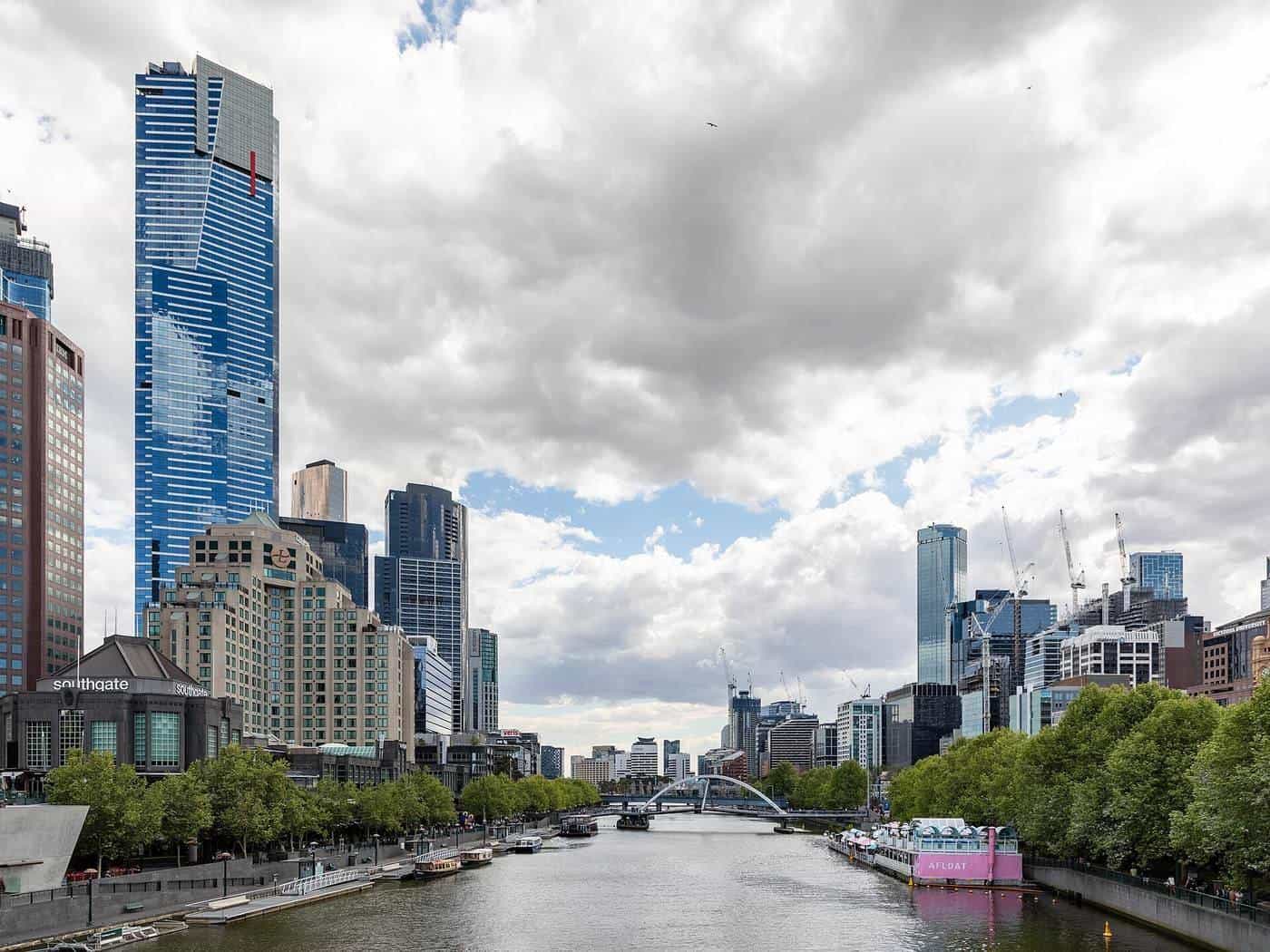
Photographers talk endlessly about light, and for good reason. The same Melbourne street can look flat at noon and glow an hour before sunset. Learning when good light happens, and how to plan around the weather, makes more difference than any new lens. This guide explains golden hour, blue hour and twilight, how they’re defined, how they change through the year in Melbourne, and how to work with the city’s changeable weather.
This guide is general information written in our own words, based on the sources listed at the end. It isn't legal advice. Rules, permit conditions and access arrangements change, so check with the land manager or authority before a shoot, especially if it's paid work. We're an independent site and aren't connected with any council, park manager or photography business.
Sunrise and sunset
Geoscience Australia, the national agency that publishes sunrise and sunset information, defines sunrise and sunset as the moment the upper edge of the sun’s disk is on the horizon. Because the atmosphere bends light, this happens when the sun’s centre is actually about 50 arcminutes (a little under 1 degree) below the horizon. That’s the definition our golden hour calculator uses.
Twilight
Geoscience Australia defines three stages of twilight:
- Civil twilight: while the sun’s centre is between the horizon and 6 degrees below it. There’s still enough light for most outdoor activities.
- Nautical twilight: from 6 to 12 degrees below.
- Astronomical twilight: from 12 to 18 degrees below.
In the morning, twilight comes before sunrise; in the evening, after sunset.
Golden hour
Golden hour isn’t an official term. Photographers use it for the time when the sun is low in the sky, giving warm, soft, directional light and long shadows. Our calculator treats it as the period when the sun is between about 6 degrees above and 4 degrees below the horizon. Despite the name, it can be shorter or longer than an hour depending on the season.
Blue hour
Blue hour is another photographers’ term, for the period of twilight when the sky turns deep blue. Our calculator uses the period when the sun is roughly 4 to 6 degrees below the horizon, which sits inside civil twilight. It’s ideal for cityscapes, because street lights and windows are on while the sky still holds colour.
How the light changes through the year
Melbourne is at about 37.8 degrees south, so day length varies a lot. Around the December solstice, the sun sets late in the evening (with daylight saving time) and golden hour is long. Around the June solstice, sunset comes in the late afternoon and the sun stays lower all day, giving softer light even at midday. The sun’s direction also changes: in summer it rises and sets well to the south of east and west, in winter to the north. That affects which streets and buildings are lit. Use our calculator to check the times for your date.
Daylight saving time
Victoria observes daylight saving time from the first Sunday in October to the first Sunday in April, which shifts clock times for sunrise and sunset by an hour. Our calculator uses Melbourne local time, including daylight saving.
Melbourne’s weather
Melbourne is known for changeable weather, sometimes with several types in a day. For photographers, that’s often a blessing:
- Overcast skies act like a giant soft box, ideal for portraits, flowers and laneways.
- Breaking cloud after rain can give dramatic light and colour at sunset.
- Rain gives reflections on streets and cobbles.
- Fog and mist in cooler months add atmosphere to parks and the river.
- Clear skies suit stars and night shots, but can make sunsets less colourful.
Using the forecast
The Bureau of Meteorology’s Melbourne forecast gives temperature, rain chances, wind and conditions. Useful habits:
- Check wind for reflections and drone flying.
- Look at radar on the day for incoming showers.
- Check cloud cover for sunrise and sunset; some high or broken cloud often produces the best colour.
- Have a wet-weather plan, such as laneways, arcades or indoor locations.
Planning a shoot
- Choose your subject and direction. Is the light coming from behind you, from the side or behind the subject?
- Check times with our calculator.
- Arrive early. Set up before the best light, not during it.
- Stay late. The sky often peaks after sunset.
- Scout in advance, at the same time of day if possible.
Practising deliberately
Skills improve fastest with deliberate practice. Pick one technique for each outing, such as blue hour exposures, reflections or candid portraits, and focus on it. Review your photos afterwards, note what worked and what didn’t, and go back to try again. Small, regular sessions teach more than occasional big trips.
Editing lightly
Good editing enhances what you saw rather than replacing it. Start with straightening, cropping and exposure, then adjust white balance, contrast and colour. Be careful with heavy filters and over-sharpening. If you photograph people, avoid edits that distort how they look without their agreement, and be honest when a composite or heavy edit is presented.
Backing up your photos
Keep at least two copies of photos that matter, ideally in different places, such as an external drive and a cloud service. Copy cards to your computer soon after each shoot, and don’t format a card until you’ve confirmed the backup. For paid work, a careful backup routine is part of a professional service.
Learning from others
Melbourne has camera clubs, photo walks, workshops, exhibitions and online communities where you can learn and share. Looking at other people’s work, and asking how it was made, is one of the fastest ways to improve. Be generous with feedback, and credit others when you borrow an idea or location.
Choosing gear
You don’t need expensive equipment to make good photos. A modern phone handles most situations well. If you upgrade, a camera with manual controls, a versatile lens and a small tripod covers most of the techniques in this guide. Before buying, think about what limits your photos now, and buy for that need rather than for features you won’t use.
How we write our guides
Every guide on this site is written in our own words from official and expert sources, such as the Arts Law Centre of Australia, the City of Melbourne, Royal Botanic Gardens Victoria, Parks Victoria, CASA, Geoscience Australia, the Bureau of Meteorology and the ACCC. We link to each source at the end of the page. We never invent statistics, quotes, prices or reviews, and we don’t accept payment to change what our guides say.
About this site
Photography Melbourne is an independent guide to photographing Melbourne: where to go, when the light is best, the rules that apply and how to work respectfully. We’re not a photography business, council, park manager or government agency, and we don’t sell or rank photographers or equipment. Our guides are general information with sources listed on every page.
Corrections and feedback
We review our guides against their sources and show the date each page was last checked. If you notice something out of date or incorrect, such as a change to a permit process or CASA rule, please tell us through our contact page. We read every message and correct mistakes promptly.
Plan with the golden hour calculator
Our free golden hour calculator shows sunrise, sunset, golden hour and blue hour for central Melbourne on any date, in Melbourne local time. It runs entirely in your browser, and nothing you enter is sent anywhere.
Reading the sky before you go
The light at golden hour depends as much on clouds and air as on the time. Clear skies give clean, warm light but plain sunsets; a band of high cloud with a clear horizon often lights up dramatically after the sun has set; a thick bank of low cloud on the horizon can block the light entirely. Check the Bureau of Meteorology’s forecast and satellite and radar imagery to see where cloud is moving. Geoscience Australia explains how sunrise and sunset are defined and offers a calculator for any location in Australia, which is useful if you are heading out of the CBD, since times shift with your position. Our golden hour calculator gives times for central Melbourne, and you can add a margin for hills, buildings or a low horizon. Arrive at least twenty minutes before the moment you want, so you have time to choose a composition, and stay until well after sunset; the colour in the sky often peaks during blue hour, after many people have packed up and left.
Key points
- Geoscience Australia defines sunset as the sun’s upper edge on the horizon, with the centre about 50 arcminutes below.
- Civil twilight lasts until the sun’s centre is 6° below the horizon.
- Golden hour and blue hour are photographers’ terms; our calculator uses 6° to −4° and −4° to −6°.
- Day length and the sun’s direction vary a lot through the year in Melbourne.
- Melbourne’s changeable weather often helps photos: check the Bureau of Meteorology forecast.
Frequently asked questions
When is golden hour in Melbourne?
It changes with the date. Golden hour is the period when the sun is low, roughly within about 6 degrees of the horizon. Use our calculator on the home page for your date.
What is blue hour?
A photographers’ term for the deep-blue part of twilight, when the sun is a few degrees below the horizon. It falls within civil twilight as defined by Geoscience Australia.
How is sunset defined?
Geoscience Australia defines sunrise and sunset as when the sun’s upper edge is on the horizon, which, allowing for refraction, means the sun’s centre is about 50 arcminutes below it.
Is overcast weather bad for photos?
Not at all. Overcast skies give soft, even light that suits portraits, gardens and laneways.
Sources and further reading
Facts on this page were checked against these primary and official sources. Conditions change — confirm before you travel or buy.
- Astronomical definitions — Geoscience Australia
- Melbourne forecast — Bureau of Meteorology