Melbourne is full of photographers: tourists with phones, street photographers, wedding parties, content creators and film crews. Most of them never think about the law, and for most everyday photography they don’t need to. But it helps to know what the law generally allows, where the limits are and what to do if someone challenges you. This guide summarises the position as explained by the Arts Law Centre of Australia, a national community legal centre for the arts.
This guide is general information written in our own words, based on the sources listed at the end. It isn't legal advice. Rules, permit conditions and access arrangements change, so check with the land manager or authority before a shoot, especially if it's paid work. We're an independent site and aren't connected with any council, park manager or photography business.
The general position
Arts Law states that it is generally possible to take photographs in a public place without asking permission, and that this extends to photographs of buildings, sites and people. It quotes an Australian judge saying that a person “does not have a right not to be photographed”. Arts Law also explains that there are no publicity or personality rights in Australia, and no right to privacy that protects a person’s image.
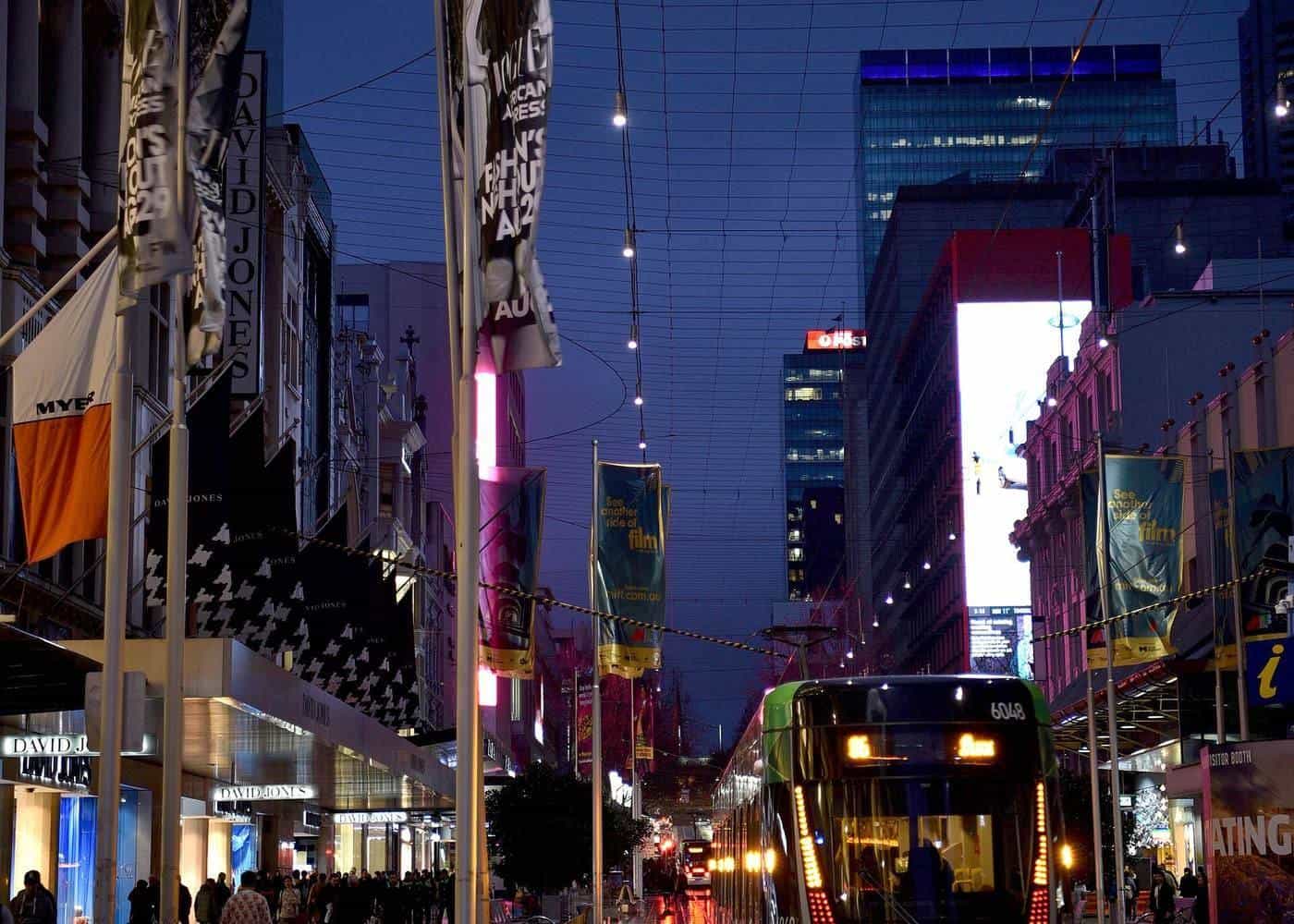
That means taking a photo of a street scene with people in it, a building, a tram or a landmark from a public place is generally lawful. The limits come from specific laws about how photos are taken, where you are and how the photos are used.
Limits on taking photos
Arts Law describes several situations where taking photos can be a criminal offence, including:
- Indecent images and offences relating to images of children.
- “Upskirting” and similar offences.
- Voyeurism, including filming a person engaged in a private act without consent.
- Harassment and stalking.
- Surveillance devices laws. Arts Law notes Victoria’s Surveillance Devices Act 1999 makes it an offence to record a “private activity” without consent, and that video cameras that record sound may be treated as listening devices.
None of these touch ordinary street, travel or landscape photography, but they show that the general freedom isn’t unlimited.
Private property
Public access doesn’t make a place public. Arts Law explains that shopping centres, schools, hospitals, sports arenas, music venues and similar places are private property, even if owned by a council or government body, and the owner can set conditions on photography. It specifically mentions that Melbourne’s Queen Victoria Market is on private property, so photography there can be regulated by the operator. Galleries, museums and attractions often have photography policies tied to your entry ticket.
If you’re on private property and asked to stop photographing or to leave, do so. Arts Law notes that remaining without permission can amount to trespass.
Railway stations and transport
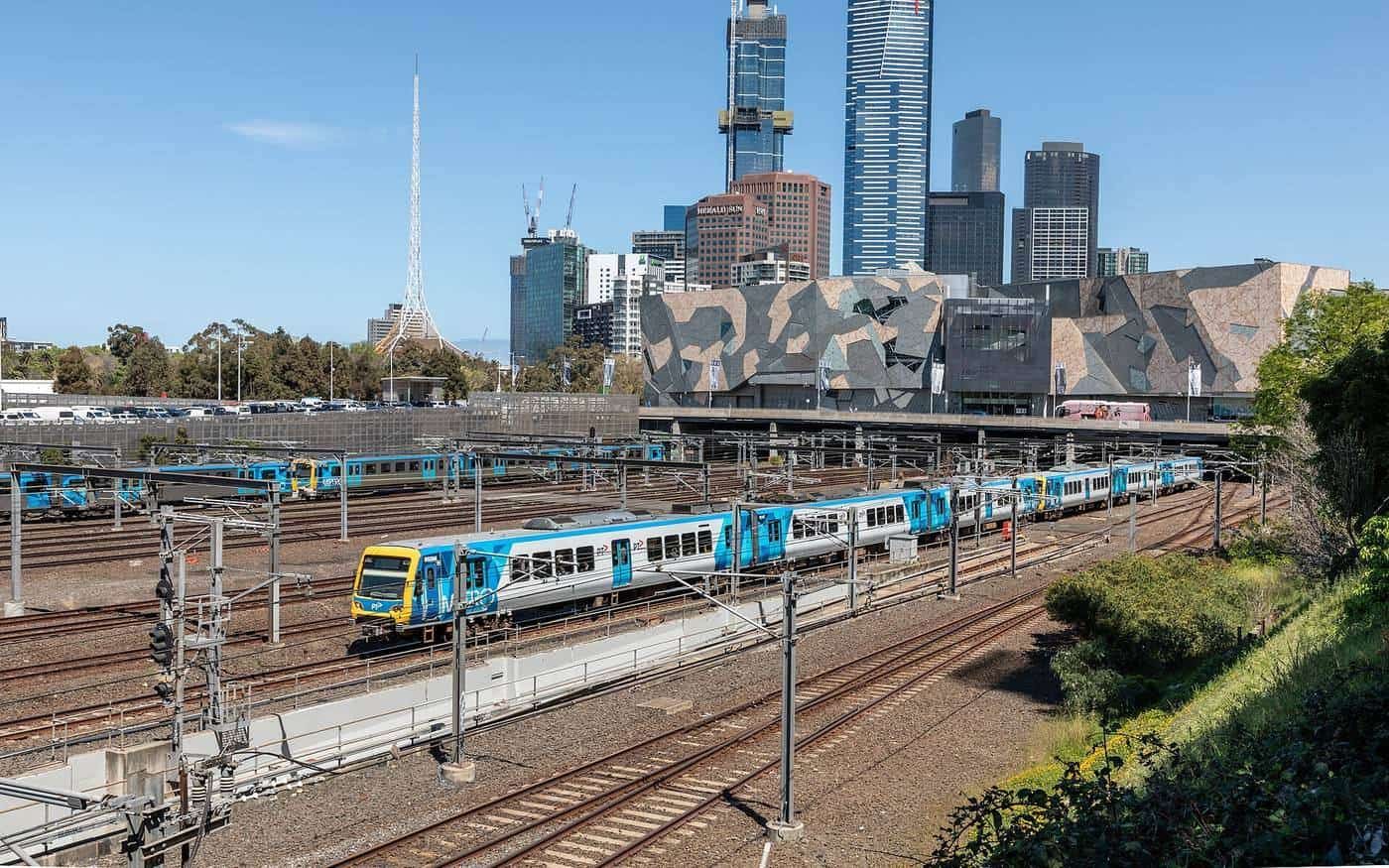
Arts Law notes that where railway systems have been privatised, such as in Victoria, photography may be restricted at railway stations. Check signs and follow staff directions, and avoid tripods or anything that obstructs passengers.
Photographing from public onto private property
Arts Law explains that there is generally no restriction on photographing people on private property from a public place, citing a 1937 High Court case that found there is no “freedom from view”. Photographing a house front from the street is generally lawful. But voyeurism and surveillance laws still apply to private activities, and repeatedly targeting someone’s home could amount to nuisance or harassment.
Obstruction
Even lawful photography can become a problem if it blocks others. Arts Law notes that setting up a tripod on a busy street and impeding traffic may amount to obstruction, and that police are more likely to ask you to move on than arrest you. Councils such as the City of Melbourne regulate larger shoots through filming permits. See our permits guide.
Children
Arts Law notes that photographers are sometimes approached because of a mistaken belief that parental consent must always be obtained before photographing children in public. It suggests acknowledging parents’ concerns and, where appropriate, explaining what you’re doing or asking if it’s okay. Beyond the law, discretion is wise: avoid photographing children you don’t know in a way that focuses on them.
Using the photos
Taking a photo and using it are different questions:
- Commercial use. Arts Law recommends a signed model release when using someone’s image to sell a product, because using a person’s image in a way that suggests endorsement can raise passing off or misleading conduct under the Australian Consumer Law.
- Defamation. Captions and context can make a photo defamatory.
- Privacy Act. Arts Law notes a person’s image can be personal information under the Privacy Act, which applies to some businesses and agencies.
- Copyright. If your photo reproduces someone else’s artwork, copyright may apply. See our copyright guide.
If police approach you
Arts Law notes that police often approach photographers in response to a complaint. It suggests staying calm and knowing your state’s police powers, and that giving a false name is an offence in many places. Arts Law explains that, generally, you don’t have to answer questions, with exceptions, and that police may have powers in specific circumstances. Its sheet focuses on New South Wales law in detail and lists the Victorian legislation; a community legal centre can advise on Victoria. Being polite and explaining what you’re doing usually resolves things quickly.
Defence and restricted areas
Arts Law notes that photographing defence installations and entering certain Commonwealth property is illegal. Obey signs, and if in doubt, don’t.
Keeping up to date
Laws, permit criteria and CASA rules change from time to time. We review this guide against its sources and show the date it was last checked, but always confirm with the official source before relying on it for a particular shoot. If you notice something out of date, please tell us through our contact page.
Getting legal help
This guide is general information. If you need advice about your situation, the Arts Law Centre of Australia offers legal advice to artists and arts organisations, and community legal centres across Victoria provide free help on many legal problems. For permits, the land manager is usually the best first contact. For drones, CASA’s website and approved safety apps are the authoritative sources.
A quick decision guide
Ask yourself four questions before any shoot. Who manages the place: a council, a park authority or a private owner? Is the shoot personal or commercial? Will it involve equipment, a crew or exclusive use of space? Will you use the photos to advertise something or show identifiable people? If the answers point to commercial use, equipment or advertising, check permits, permissions and releases before you go.
Respect goes further than rules
Following the rules is the baseline. Being considerate of other people, wildlife and places is what keeps photography welcome in shared spaces. Most conflicts between photographers and the public start with blocked paths, ignored requests or a lack of courtesy, not with a breach of the law. A friendly explanation and willingness to move usually resolves things quickly.
Common myths
Common myths include that you always need consent to photograph people in public, that you need a permit for any photo in a park, and that buildings can’t be photographed without permission. As this guide explains, the real position is more nuanced: generally allowed in public, with specific limits, and with permits mostly aimed at commercial and higher-impact shoots.
How we write our guides
Every guide on this site is written in our own words from official and expert sources, such as the Arts Law Centre of Australia, the City of Melbourne, Royal Botanic Gardens Victoria, Parks Victoria, CASA, Geoscience Australia, the Bureau of Meteorology and the ACCC. We link to each source at the end of the page. We never invent statistics, quotes, prices or reviews, and we don’t accept payment to change what our guides say.
Practical scenarios
It helps to think through a few common situations. If someone notices you photographing them in a park and asks you to delete the photo, the law may not require you to, but deleting it, or explaining what you are doing and offering to share it, usually ends the matter amicably. If a security guard in a shopping centre asks you to stop, remember that Arts Law notes centres are private property and can set conditions of entry, so comply and move to a public footpath. If police ask what you are doing, stay calm and polite; Arts Law explains that police powers to ask you to delete images or hand over a camera are limited, but arguing on the spot rarely helps, and you can seek advice afterwards. If you photograph a crowd at a public event, you generally don’t need individual consent, but if you later use a recognisable person to advertise a product, permissions and consumer law become important. And if you photograph an emergency or accident, think about the people involved before sharing, and never get in the way of emergency services.
Key points
- Arts Law says photography in public places is generally allowed without permission.
- Australia has no general privacy or personality right protecting a person’s image.
- Limits include indecent images, voyeurism, harassment and Victoria’s surveillance devices laws.
- Shopping centres, markets, stations and venues can be private property with their own rules.
- Commercial use of a person’s image should be backed by a signed model release.
Frequently asked questions
Is it legal to take photos of strangers in public in Australia?
Generally yes. Arts Law explains it is generally possible to take photographs in a public place without asking permission, and that Australia has no privacy right protecting a person’s image. There are limits, such as indecent images, voyeurism and harassment.
Can someone make me delete a photo taken in public?
Generally, a member of the public can’t force you to delete a lawful photo. If police are involved, Arts Law suggests knowing your state’s police powers and staying calm and cooperative.
Can I photograph children in public?
Arts Law notes there is a common but mistaken belief that parental consent is always legally required. Even so, use discretion and respond respectfully to parents’ concerns.
Can I use a stranger’s photo in an ad?
Commercial use is different. Arts Law recommends a signed model release when using someone’s image to sell a product, because of passing off and consumer law risks.
Sources and further reading
Facts on this page were checked against these primary and official sources. Conditions change — confirm before you travel or buy.
- Street photographer's rights — Arts Law Centre of Australia
- Filming permits — City of Melbourne
- Copyright information sheet — Arts Law Centre of Australia