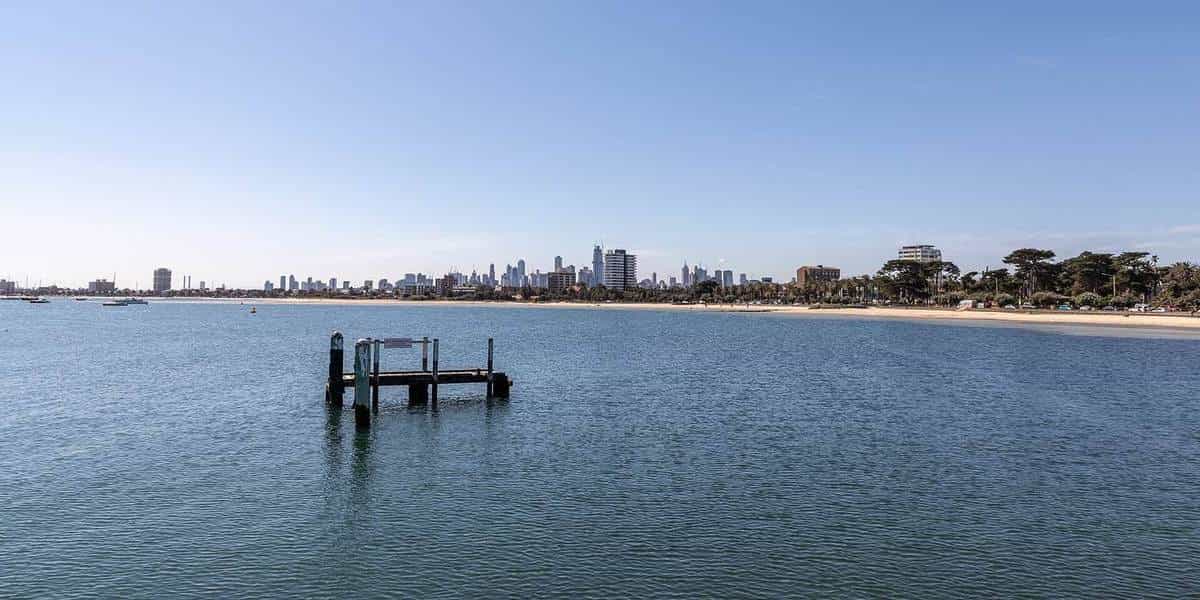
Melbourne packs a lot into a small area. Within a short tram ride you can photograph cobbled laneways covered in street art, a river lined with towers and bridges, a bay with piers and bathing boxes, and heritage gardens with lakes and old trees. These guides explain how to photograph each, when the light is best, and the rules and courtesies that apply.
Guides in this section
- Photographing Melbourne’s CBD laneways Light in narrow lanes, street art, people and private property.
- Photographing the Yarra and Southbank Bridges, reflections, blue hour and the riverside paths.
- Photographing Melbourne’s bay and beaches Bathing boxes, piers, sunsets and wildlife.
- Photographing Melbourne’s parks and gardens Seasons, lakes, wildlife and permit rules for weddings.
Choosing a place for the light
Different places suit different light. Laneways are shaded for much of the day, giving soft light even at noon. The river and city skyline are at their best at blue hour, when lights come on against a deep blue sky. Many bayside beaches face west, so the sun sets over the water. Gardens glow in early morning and late afternoon light, and suit overcast days. Matching place to light is the easiest way to improve your photos.
Public and private spaces
Arts Law explains that photography in public places is generally allowed without asking permission. But many photogenic places in Melbourne are private property or managed land: arcades, markets, cafés, bathing boxes, galleries and stations. Owners and managers can set conditions. Our guides point out where this matters.
Weddings and commercial shoots
If you’re planning a paid shoot, the rules change. Royal Botanic Gardens Victoria requires a permit for professional wedding photography, Parks Victoria generally requires permits for commercial photography in its parks, and the City of Melbourne requires permits for larger or disruptive shoots and certain sites. See our permits guide.
A day of photographing Melbourne
A simple plan for a full day: start early at the bay or in a garden for soft light and quiet paths; head into the laneways mid-morning when shade gives even light; take a break in the middle of the day; return to the bay or a garden for golden hour; then finish on the river for blue hour and city lights. Use our golden hour calculator to set your times.
Getting around
Trams run through the CBD and out to the bay, and trains serve the bayside suburbs, so you can reach most locations in these guides without a car. Travel light, keep valuables secure and check late-night timetables if you plan to stay for night shots.
Respecting places
Stay on paths in gardens, don’t climb on private structures, keep tripods out of walkways, give wildlife space and take your rubbish with you. Respectful photographers keep Melbourne’s best places welcoming for everyone.
Five things worth knowing
- Photography in public is generally allowed without asking permission, as the Arts Law Centre of Australia explains, with specific limits.
- Commercial shoots often need permits. Royal Botanic Gardens Victoria, Parks Victoria and the City of Melbourne all have permit processes.
- The best light is low light. Plan around golden hour and blue hour with our calculator.
- Drones are tightly limited in the city. CASA rules keep recreational pilots 30 metres from people and away from populous areas.
- Wedding photos are a copyright special case. Under section 35 of the Copyright Act, the paying client generally owns copyright unless agreed otherwise.
Common mistakes to avoid
A few mistakes come up again and again. Booking a wedding shoot in the Botanic Gardens without a permit. Setting up a tripod across a narrow laneway footpath. Flying a drone over a crowded beach. Climbing on privately owned bathing boxes. Using flash on penguins at the St Kilda breakwater. Selling prints of a mural without asking the artist. Each is easy to avoid once you know the rules and courtesies, and our guides explain them.
Matching places to the time of day
Each kind of place suits a different part of the day. Laneways work through the middle hours because tall buildings soften the light. The river and Southbank are strongest at blue hour, when city lights reflect in the water. The bay faces west in many suburbs, so sunsets over the water are a natural fit, while sunrise suits east-facing parts of the shore and the city skyline. Parks and gardens are at their best early in the morning, when light is low, paths are quiet and wildlife is active. Planning your day around these rhythms, rather than squeezing everything into a single golden hour, gives you more good light from one outing.
Weather and seasons
Melbourne’s weather is famously changeable, and that is a gift for photographers. Rain makes laneway cobbles shine; fog softens the river and gardens; storm clouds add drama over the bay. Use the Bureau of Meteorology forecast and radar to time your outings, and carry a light rain cover. Seasons matter too: autumn colour in the older gardens, long summer evenings by the bay, and low winter light across the city all offer something different. Return to favourite places through the year and you’ll build a much richer collection than a single visit can give.
Who manages each place
Knowing who manages a location tells you whose rules apply. The City of Melbourne manages most streets, lanes and many parks in the central city. Royal Botanic Gardens Victoria manages the Melbourne Gardens. Parks Victoria manages many parks, bays and waterways across the state, and local councils manage foreshores and reserves in their areas. Private owners control arcades, shopping centres, cafés, bathing boxes and many courtyards. Each guide in this section names the relevant land managers, and our rules guides explain how permits work.
Getting the most from one location
It is tempting to race between famous viewpoints, but staying longer in one place usually produces better work. Arrive early, walk the space without shooting, notice where light falls and where people naturally pause, then settle into a few strong angles. In a laneway, that might mean waiting for a gap in foot traffic or for someone to walk through a patch of soft light. On the river, it might mean watching reflections change as clouds move. At the bay, it might mean waiting for a wave to wrap around a pier post. Patience turns a tourist snap into a considered photograph.
Accessibility and shared spaces
Melbourne’s popular photo spots are also everyday public spaces. Keep paths clear for prams, wheelchairs and people who need more room. Avoid blocking shop doors and café seating. If you set up a tripod, choose a wide area and be ready to move. Headphones that isolate you completely make it harder to notice when someone needs to pass. Small courtesies keep photography welcome in busy parts of the city.
About these guides
Photography Melbourne is an independent information site about photographing Melbourne. We aren’t a photography business, council, park manager, government agency or law firm, and we don’t sell, rank or recommend photographers or equipment. Our guides are general information written in our own words, with sources listed on every page. They’re not legal advice.
How we keep these guides current
We review each guide against its sources and show the date it was last checked. Permit processes, CASA rules and land manager conditions change from time to time. If you notice something out of date, please tell us through our contact page, and we’ll check and correct it.
Try the golden hour calculator
Our free golden hour calculator shows sunrise, sunset, golden hour and blue hour for central Melbourne on any date, in Melbourne local time. It runs entirely in your browser, and nothing you enter is sent anywhere.
Guides in this section
Places
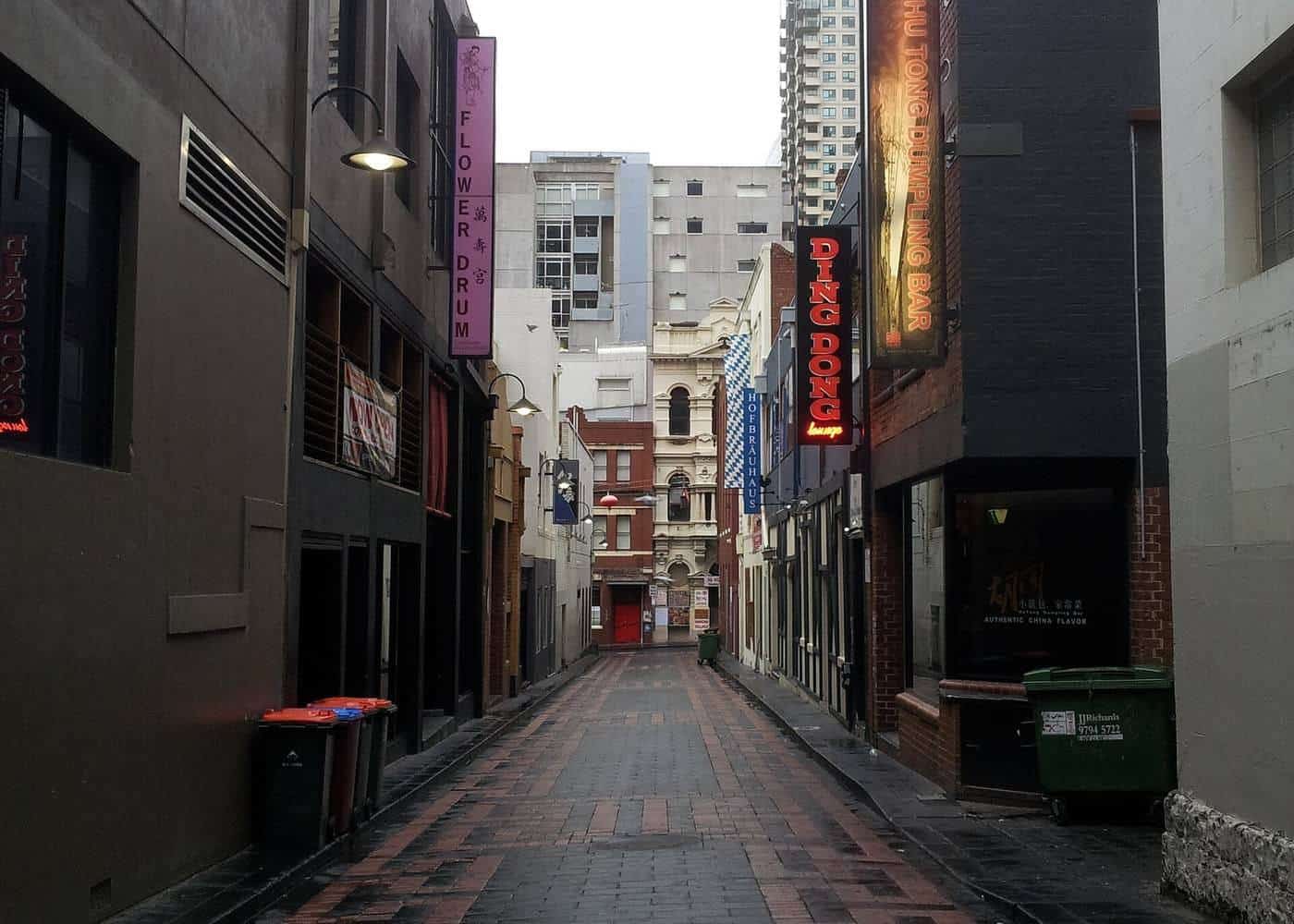
Photographing Melbourne’s CBD laneways
How to photograph Melbourne’s CBD laneways: light, timing, street art, people, tripods, private property and when a permit may apply.
Read · 7 min
Places
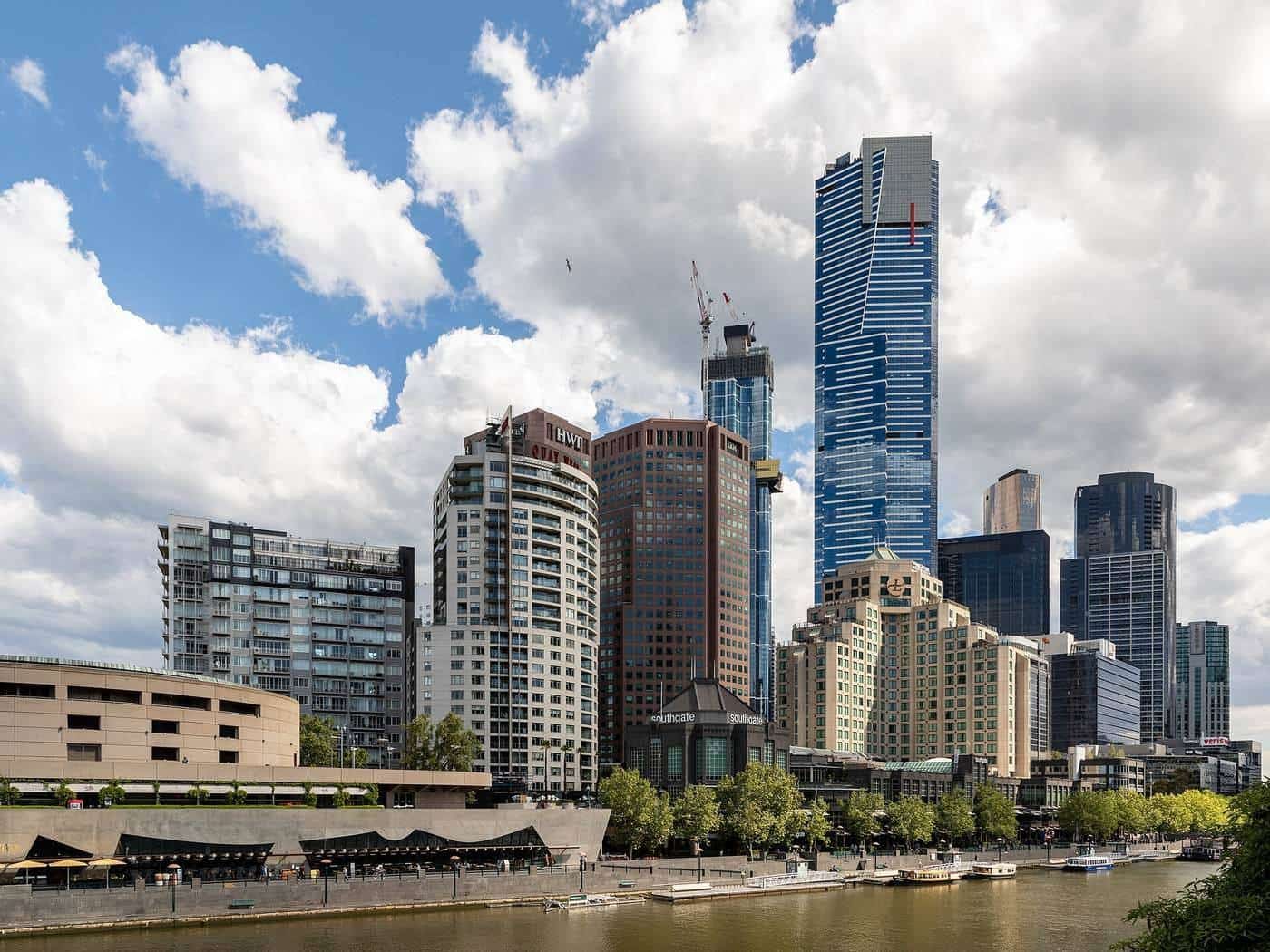
Photographing the Yarra and Southbank
Where and when to photograph the Yarra River and Southbank: bridges, reflections, skyline views, night shots, safety and permit basics.
Read · 7 min
Places
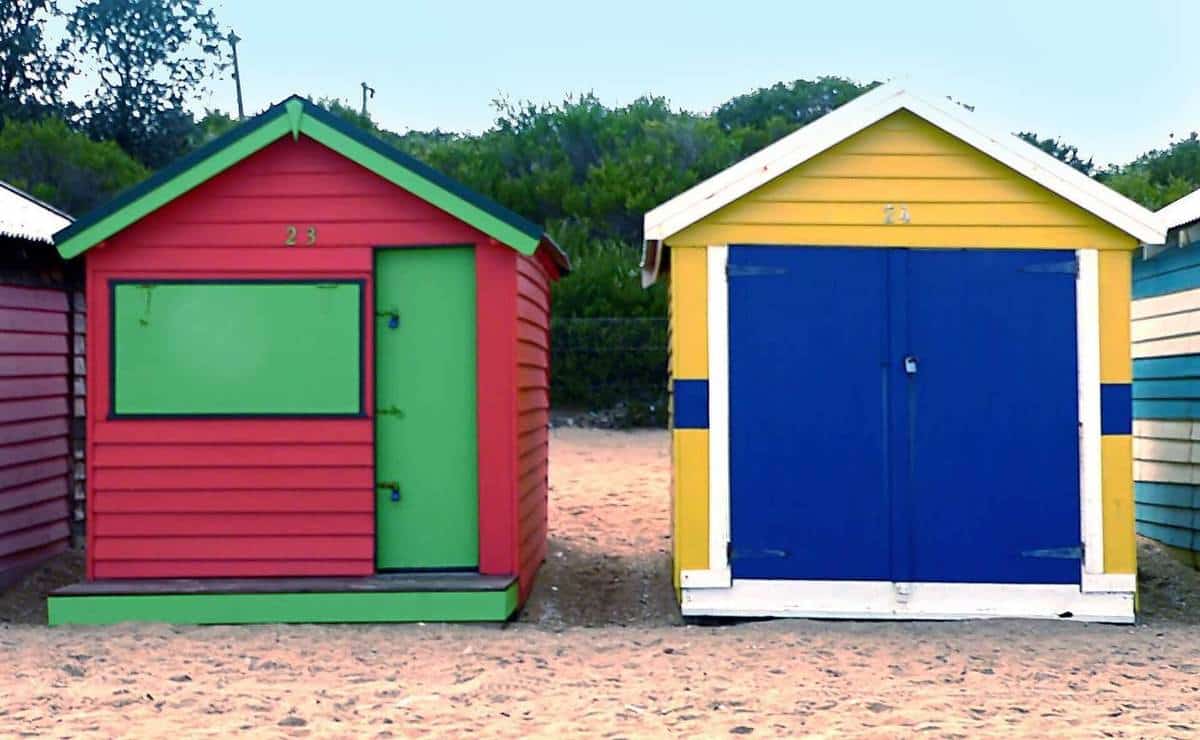
Photographing Melbourne’s bay and beaches
How to photograph Port Phillip’s beaches: bathing boxes, piers, sunsets over the bay, wildlife, crowds, commercial shoots and permits.
Read · 7 min
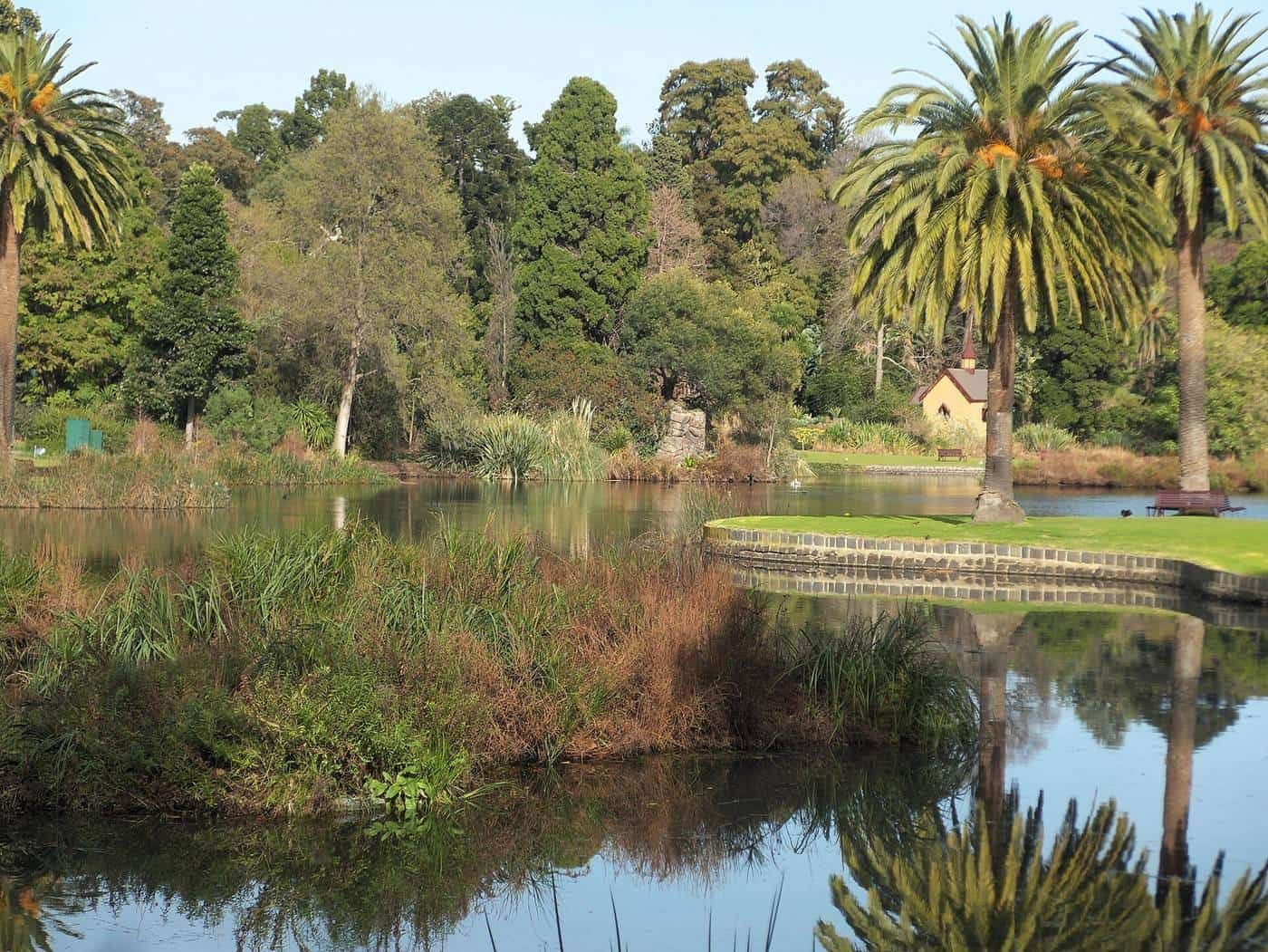
Places
Photographing Melbourne’s parks and gardens
How to photograph Melbourne’s parks and gardens: light, seasons, wildlife, tripods, and when weddings and commercial shoots need a permit.
Read · 7 min
Frequently asked questions
Where are the best places to photograph in Melbourne?
The CBD laneways, the Yarra and Southbank, the bayside beaches and piers, and the city’s parks and gardens each offer something different. Our guides cover each.
Do I need a permit to take photos in Melbourne?
Casual photos in public places generally don’t. Commercial or larger shoots often do, depending on the land manager.
When is the best time to photograph Melbourne?
Golden hour and blue hour give the best light for most subjects. Overcast days suit laneways and gardens.
Can I photograph the Brighton bathing boxes?
Yes, from the beach. The boxes are privately owned, so don’t climb on or open them.
Sources and further reading
Facts on this page were checked against these primary and official sources. Conditions change — confirm before you travel or buy.
- Street photographer's rights — Arts Law Centre of Australia
- Filming permits — City of Melbourne
- Filming and photography — Royal Botanic Gardens Victoria
- Apply for a filming and photography permit — Parks Victoria