Melbourne’s laneways are some of the most photographed streets in Australia. Within a few blocks of Flinders Street you’ll find narrow lanes lined with cafés, arcades with mosaic floors, bluestone cobbles, fire escapes, neon signs and walls covered in constantly changing street art. They’re rewarding to photograph at almost any hour, but they’re also busy, working streets where people live, work and eat. This guide covers how to photograph the CBD’s laneways well, and the rules and courtesies that apply.
This guide is general information written in our own words, based on the sources listed at the end. It isn't legal advice. Rules, permit conditions and access arrangements change, so check with the land manager or authority before a shoot, especially if it's paid work. We're an independent site and aren't connected with any council, park manager or photography business.
Why laneways are different
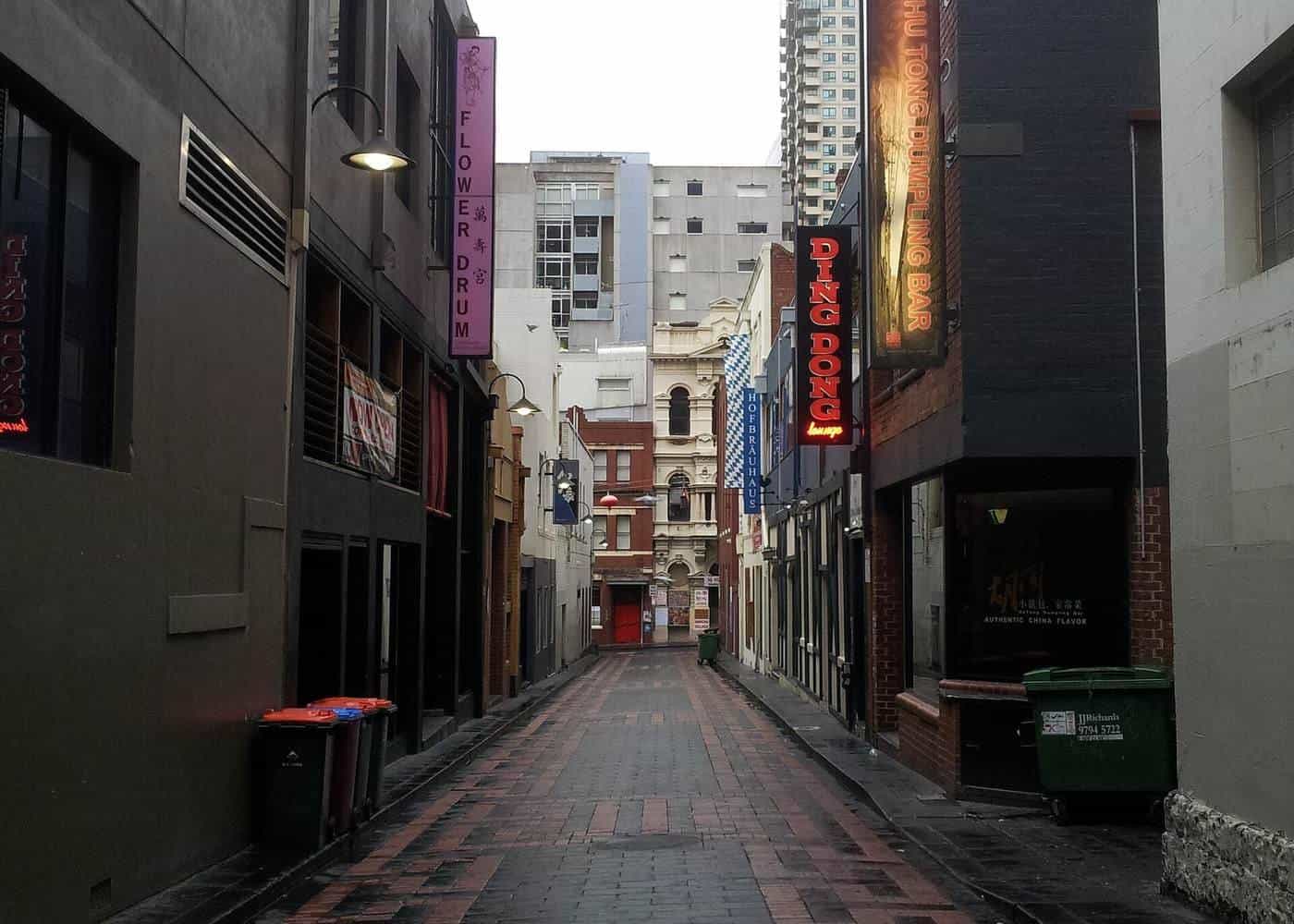
Laneways behave differently from open streets. Tall buildings on both sides mean direct sun reaches the ground for only short periods, if at all. That gives you soft, even light much of the day, which suits portraits, details and street art, but it also means the bright sky at the end of a lane can be several stops brighter than the walls. Lanes are narrow, so a wide lens helps, and space is tight, so a tripod or a group can quickly block foot traffic.
Light and timing
- Early morning. The quietest time. Deliveries and cleaning crews are about, but you can often photograph a lane with few people in it.
- Middle of the day. Shade in most lanes gives even light. In east–west lanes, a slice of sun may cut across the walls around midday, creating strong contrast.
- Lunch and evening. Busy with diners. Good for street photography and atmosphere, but harder for clean architectural shots.
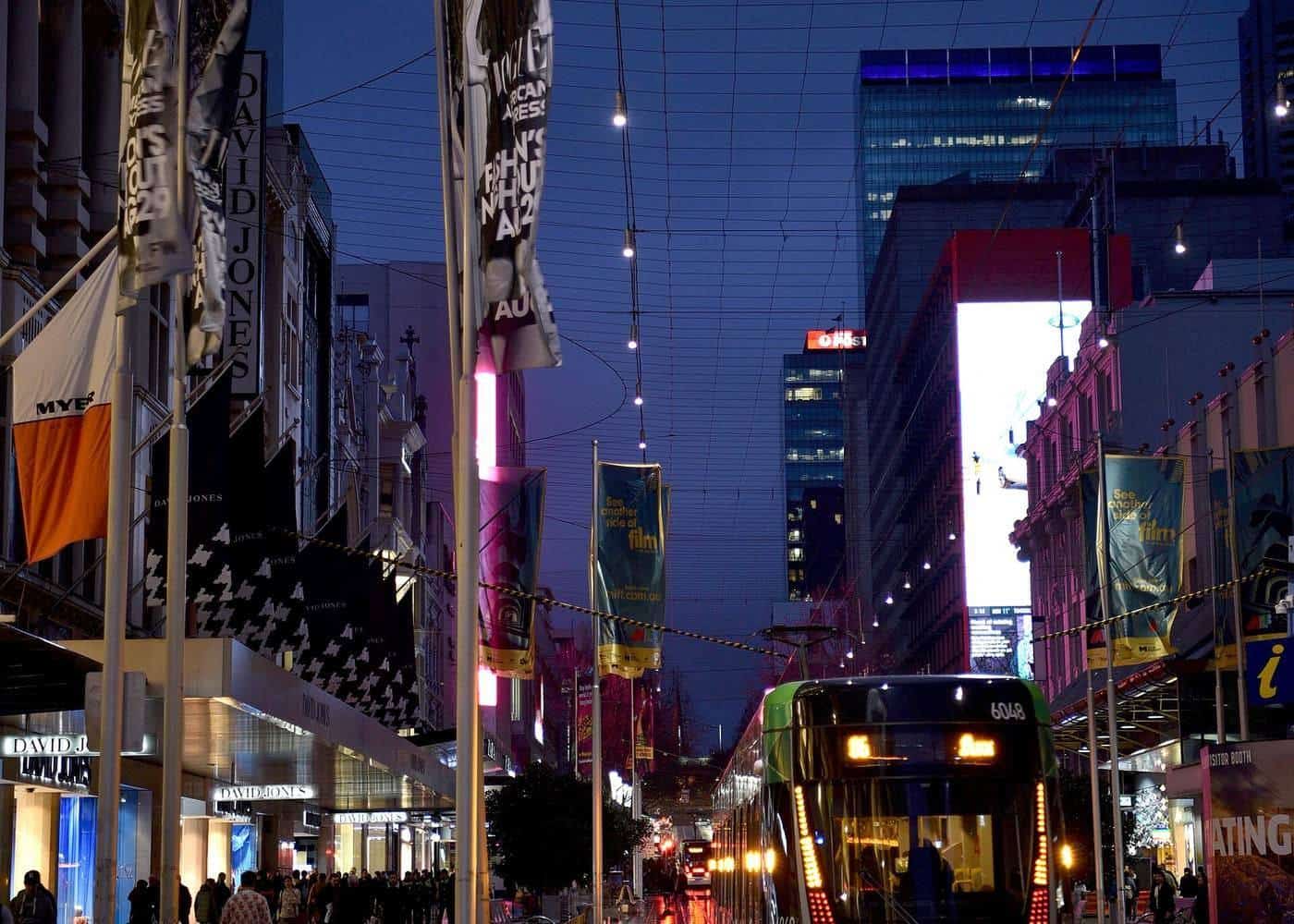
- Blue hour and night. Shop signs, string lights and windows glow against a deep blue sky. Use our golden hour calculator to plan, and read our night photography guide.
Street art
The City of Melbourne describes street art as part of the city’s culture, and lanes such as Hosier Lane are known for artworks that change week to week. A few things are worth knowing:
- Work changes fast. Today’s mural may be painted over tomorrow, so photograph what you like when you see it.
- Copyright still applies. Arts Law explains that the Copyright Act lets you photograph and publish sculptures and works of artistic craftsmanship permanently situated in a public place, but that this exception doesn’t apply to other public art such as murals. Personal photos are rarely an issue, but if you plan to sell prints or use a mural in advertising, seek the artist’s permission. See our copyright guide.
- Don’t add to it. Painting or tagging without permission is a separate legal matter. Photographing is fine; contributing isn’t, unless you have permission.
People in laneways
Laneways are full of people, and many visitors come for photos too. Arts Law notes that it’s generally possible to photograph people in a public place without asking permission, and that Australia has no general right of privacy protecting a person’s image. But being legally allowed to doesn’t make every photo appropriate. Diners at outdoor tables, staff on a break and people in vulnerable situations deserve consideration. Our street photography ethics guide covers practical courtesy.
Cafés, arcades and private property
Many of the most photogenic spaces near the laneways, such as arcades and courtyards, are privately owned or managed. Arts Law explains that a landowner can impose restrictions on photography and that freely accessible places such as shopping malls are still private property. If a staff member or security guard asks you to stop or leave, comply and move to a public footpath.
Tripods, groups and permits
A single photographer with a camera on a public lane is low impact. A tripod, lighting stands, a group of models or a crew is different. The City of Melbourne’s filming permit information explains when a permit is needed in the city, such as shoots that obstruct footpaths, use larger crews or set up equipment. Arts Law also notes that setting up a tripod on a busy street and impeding traffic may amount to obstruction. In a narrow lane, a tripod can block the whole footpath, so keep it brief, stay to one side, or shoot handheld with a higher ISO. Read our permits guide.
Composition ideas
- Lead the eye. Use the lines of the lane, cobbles and overhead wires to draw the viewer through the frame.
- Frame the end of the lane. A bright street or tram at the end of a dark lane makes a natural focal point.
- Look up. Fire escapes, signs and the strip of sky between buildings make strong graphic images.
- Look down. Bluestone, puddles after rain and painted kerbs give texture.
- Wait for a subject. Choose a backdrop and wait for someone to walk into the right spot.
- Shoot details. Door handles, old signage, menu boards and stickers say as much about the city as wide views.
Exposure in high-contrast lanes
The bright sky at the end of a lane and the dark walls can be hard to capture in one frame. Expose for the highlights and lift shadows later, use your camera’s bracketing, or wait for an overcast day when the contrast is lower. Phones handle this well with their default HDR modes. If you shoot raw files, you’ll have more room to recover detail.
Rain and wet days
Melbourne’s weather changes quickly, and rain is a gift in the laneways. Wet cobbles reflect signs and lights, umbrellas add colour and people move differently. Check the Bureau of Meteorology forecast, carry a small cloth and a rain cover, and look for reflections in puddles.
Being a good visitor
Laneways are working streets. Keep walkways clear, don’t stand in café doorways, step aside for delivery vehicles and bins, and don’t climb on fixtures or private property. If you’re photographing a mural and someone is waiting, take your shots and move on. A friendly nod or a quick chat goes a long way with locals and workers who see photographers all day.
Getting there without a car
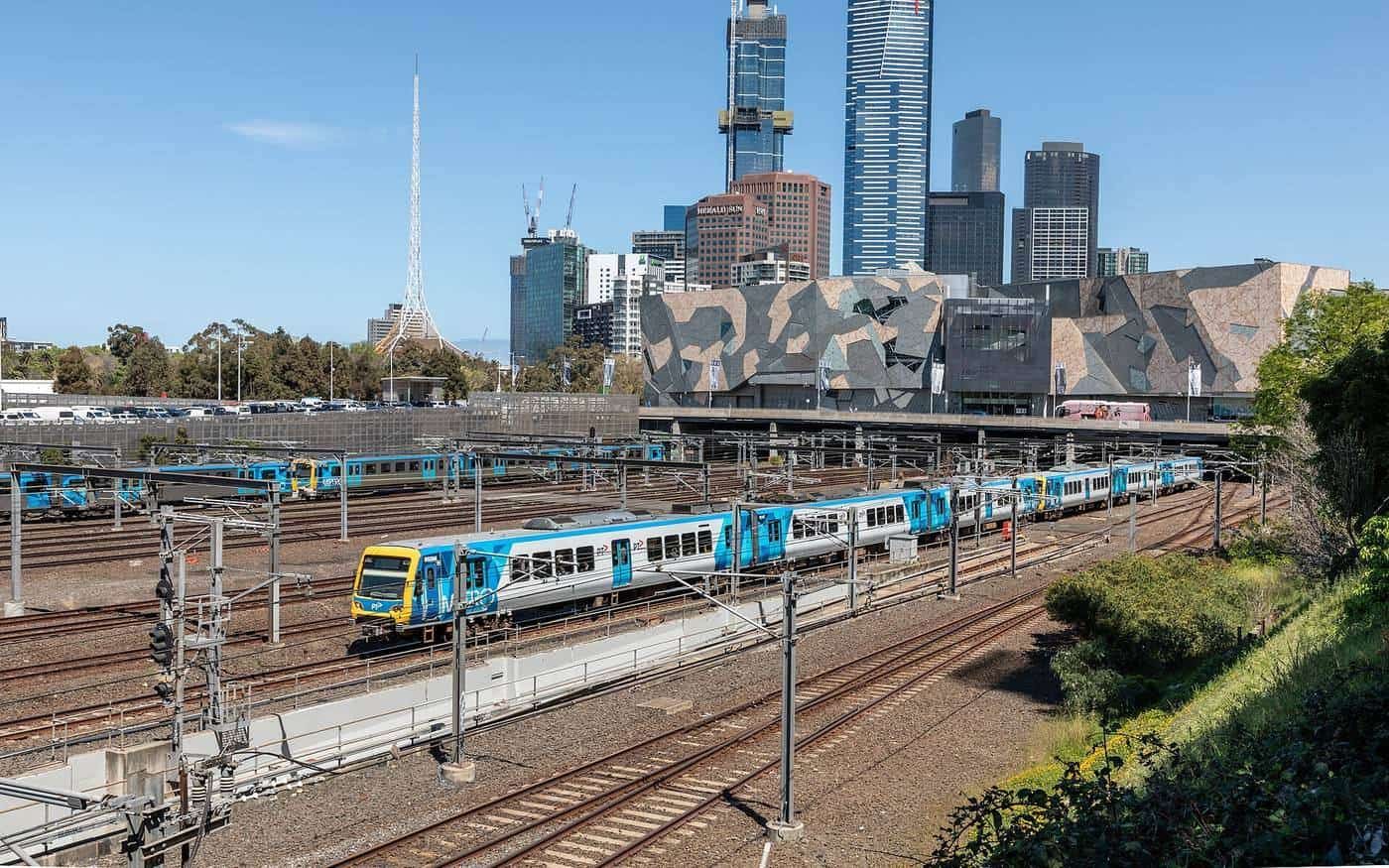
Most of the places in this section are easy to reach by public transport. Trams run through the CBD and along the main roads to the bay, and trains serve the bayside suburbs. Travelling light with a small bag, one camera and one or two lenses makes moving between locations easier, especially at busy times. Check timetables for late-night return trips if you plan to stay for blue hour or night shots.
What to pack
A compact kit is usually best for a day of photographing Melbourne: a camera or phone, a spare battery and memory card, a small cloth for rain or spray, a light rain jacket for the city’s changeable weather, water and a snack. A small travel tripod is useful at dusk, and a polarising filter helps with reflections on water and glass. Leave anything you don’t need at home; carrying less makes you more nimble and less conspicuous.
Revisiting the same place
One of the best ways to improve is to return to the same location in different light, weather and seasons. A laneway in winter rain looks completely different from the same lane on a summer evening. Keeping notes on the time, light direction and conditions of each visit helps you plan the next one. Over time you build a personal map of when each place looks its best.
A short laneway walk
A simple loop makes a good first outing. Start near Flinders Street Station, wander north through the arcades and lanes towards Bourke Street, then drift back via the lanes off Flinders Lane. Rather than racing between famous spots, give each lane ten minutes. Watch how people use it, where the light falls and which backgrounds repeat, then choose one or two frames and wait for the moment to come together. Carry little, keep your bag in front of you in crowds, and step into a doorway or to the side whenever you stop to shoot so others can pass. If a café owner or resident seems unhappy about your camera, smile, lower it and move on. The City of Melbourne manages most public lanes, but some passages and courtyards are private land, so the rules can change from one side of a gate to the other. When in doubt, ask. A short conversation often opens more doors than any permit, and many shopkeepers are happy to see their lane photographed well and shared with a credit.
Key points
- Laneways give soft, even light much of the day, with bright skies at the ends of lanes.
- Arts Law says photographing in public is generally allowed without permission, with limits.
- The Copyright Act exception for public sculptures doesn’t cover murals, so seek permission for commercial use of street art.
- Arcades, cafés and courtyards can be private property with their own rules.
- Keep tripods brief and out of the way; larger or disruptive shoots may need a City of Melbourne permit.
Frequently asked questions
Can I take photos in Melbourne’s laneways?
Generally yes. Arts Law explains that it is generally possible to take photographs in a public place without asking permission, with some limits. Cafés, shops and arcades are private property and can set their own rules.
Do I need a permit to photograph Hosier Lane?
Casual, low-impact photography in a public lane doesn’t usually need a permit. The City of Melbourne asks larger or more disruptive shoots to apply for a filming permit, so check its current criteria.
Can I sell photos of street art?
Be careful. Arts Law notes the Copyright Act exception for public sculptures and works of artistic craftsmanship doesn’t apply to murals, so commercial use of a mural photo may need the artist’s permission.
What time is best for laneway photos?
Laneways are often in shade, so soft, even light is common through the day. Early mornings are quieter; evenings bring lights and atmosphere.
Sources and further reading
Facts on this page were checked against these primary and official sources. Conditions change — confirm before you travel or buy.
- Street photographer's rights — Arts Law Centre of Australia
- Street art — City of Melbourne
- Filming permits — City of Melbourne
- Copyright information sheet — Arts Law Centre of Australia