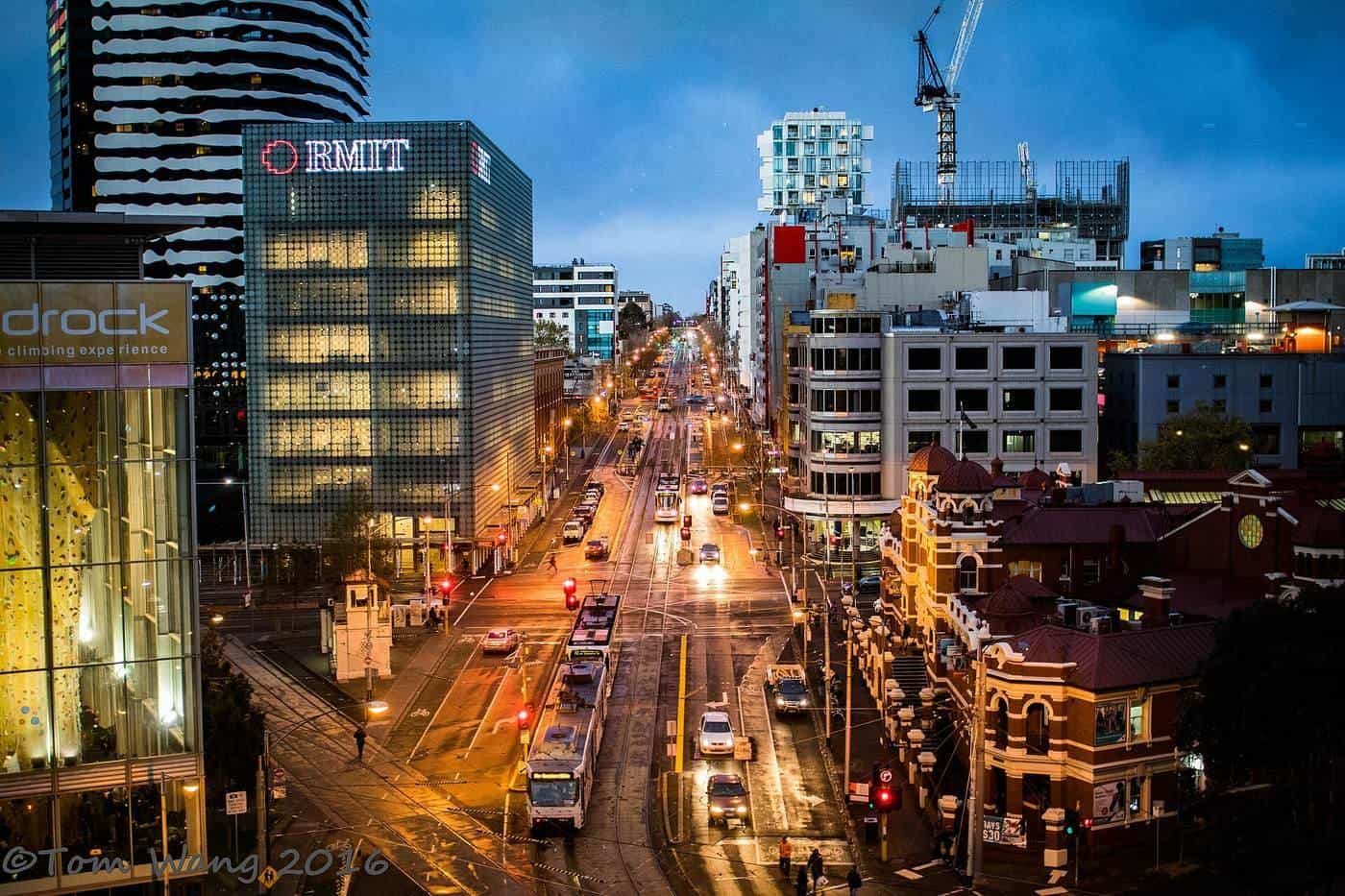
Good photos come from good light, sound technique and respect for the people and places you photograph. These guides cover the skills that matter most for photographing Melbourne, and what to check if you’d rather hire a professional.
Guides in this section
- Golden hour, blue hour and Melbourne weather How twilight is defined and how to plan around the weather.
- Night photography in Melbourne Settings, tripods, phones, light trails and safety.
- Street photography: courtesy and ethics Photographing people respectfully.
- Hiring a photographer in Melbourne Portfolios, contracts, copyright, permits and consumer rights.
Light first
Geoscience Australia defines sunrise and sunset as the moment the sun’s upper edge touches the horizon, and civil twilight as lasting until the sun’s centre is 6 degrees below it. Photographers build on these with informal terms: golden hour for low, warm light and blue hour for deep-blue twilight. Our golden hour calculator puts all of these on one screen for any date.
Weather as an ally
Melbourne’s weather is famously changeable, and that’s good news for photographers. Overcast skies give soft light, rain gives reflections, and breaking cloud at sunset gives colour. The Bureau of Meteorology forecast, especially wind, cloud and radar, is the most useful planning tool after the calculator.
Phone or camera?
Everything in these guides works with a phone, a compact camera or an interchangeable-lens camera. Phones are excellent in good light and surprisingly capable at night. Dedicated cameras give more control over exposure and depth of field, and handle long exposures and low light better. Use what you have and learn it well.
People and respect
Many of Melbourne’s best photos include people. Arts Law explains that photographing people in public is generally lawful, but our street photography ethics guide argues that respect should guide what you photograph and publish.
Hiring a professional
If you’re hiring a photographer for a wedding, portraits or an event, check style, contract, copyright and permits. The ACCC explains that services come with consumer guarantees, such as acceptable care and skill. Our hiring guide has a full checklist.
Five things worth knowing
- Photography in public is generally allowed without asking permission, as the Arts Law Centre of Australia explains, with specific limits.
- Commercial shoots often need permits. Royal Botanic Gardens Victoria, Parks Victoria and the City of Melbourne all have permit processes.
- The best light is low light. Plan around golden hour and blue hour with our calculator.
- Drones are tightly limited in the city. CASA rules keep recreational pilots 30 metres from people and away from populous areas.
- Wedding photos are a copyright special case. Under section 35 of the Copyright Act, the paying client generally owns copyright unless agreed otherwise.
Common mistakes to avoid
A few mistakes come up again and again. Booking a wedding shoot in the Botanic Gardens without a permit. Setting up a tripod across a narrow laneway footpath. Flying a drone over a crowded beach. Climbing on privately owned bathing boxes. Using flash on penguins at the St Kilda breakwater. Selling prints of a mural without asking the artist. Each is easy to avoid once you know the rules and courtesies, and our guides explain them.
Learning the light
Light is the single biggest influence on a photograph. Low sun at golden hour gives warm colour and long shadows; overcast skies give soft, even light that flatters faces and suits laneways; blue hour balances city lights against a deep sky. Geoscience Australia explains how sunrise and sunset are defined, and our golden hour calculator gives approximate times for central Melbourne. Watch how light changes over an hour in one place and you’ll learn more than any rule can teach.
Simple settings that work
You don’t need complicated settings to make good photos. On a camera, aperture priority mode lets you choose depth of field while the camera handles shutter speed; raise ISO when light falls rather than risking blur. On a phone, tap to focus and slide to adjust exposure, and use night mode in low light while holding steady. For moving subjects, choose a faster shutter speed; for silky water or light trails, use a tripod and a slow one. Check your histogram or preview often, and protect highlights in bright skies.
Composition basics
Strong composition starts with a clear subject. Place it deliberately, simplify the background, and use lines such as roads, railings and riverbanks to lead the eye. Change your height: crouch for reflections, or find a higher viewpoint for patterns. Frame subjects with doorways, arches or branches. Leave space in the direction a person is looking or moving. Most of all, take time; walking a few steps left or right often turns an ordinary frame into a good one.
Working with people
Photographing people well is as much about communication as camera skill. When you photograph friends, family or clients, explain what you’re doing, give simple directions and keep the mood relaxed. When you photograph strangers, our street photography ethics guide explains how to be considerate. For paid work, agree in writing on what will be delivered and how photos can be used. The ACCC explains that consumer guarantees apply to services, so clear agreements help both photographer and client.
Building a personal practice
Improvement comes from repetition more than from new gear. Pick one place you can revisit — a laneway, a stretch of river, a garden path or a pier — and photograph it at different times of day and in different weather. Compare the frames afterwards and note what changed: colour temperature, contrast, crowd levels and how people moved through the scene. Keep a short note of shutter speed, ISO and where you stood. Over a month you will learn more about Melbourne light than from any single workshop.
Editing with a light touch
Editing should support what you saw, not invent a different place. Correct white balance so skin and stone look believable, recover a little shadow detail if needed, and crop only when it strengthens the subject. Avoid heavy filters that erase the city’s real colours. When you publish, credit locations accurately and respect any conditions attached to permits or private venues. If a photo includes identifiable people in a commercial context, think carefully about consent and consumer-law issues; our copyright and hiring guides explain the main points and link to Arts Law and the ACCC.
Safety on night and blue-hour shoots
Night photography rewards patience, but it also needs basic safety habits. Tell someone where you are going, stick to well-lit public paths where possible, and pack a small torch for bag checks and dials. Watch your footing on wet cobbles and pier edges. Keep valuables zipped away when you are looking through the viewfinder. If a location feels uncomfortable, leave and choose another. Good photos are never worth a risky situation.
About these guides
Photography Melbourne is an independent information site about photographing Melbourne. We aren’t a photography business, council, park manager, government agency or law firm, and we don’t sell, rank or recommend photographers or equipment. Our guides are general information written in our own words, with sources listed on every page. They’re not legal advice.
How we keep these guides current
We review each guide against its sources and show the date it was last checked. Permit processes, CASA rules and land manager conditions change from time to time. If you notice something out of date, please tell us through our contact page, and we’ll check and correct it.
Try the golden hour calculator
Our free golden hour calculator shows sunrise, sunset, golden hour and blue hour for central Melbourne on any date, in Melbourne local time. It runs entirely in your browser, and nothing you enter is sent anywhere.
Guides in this section
Skills
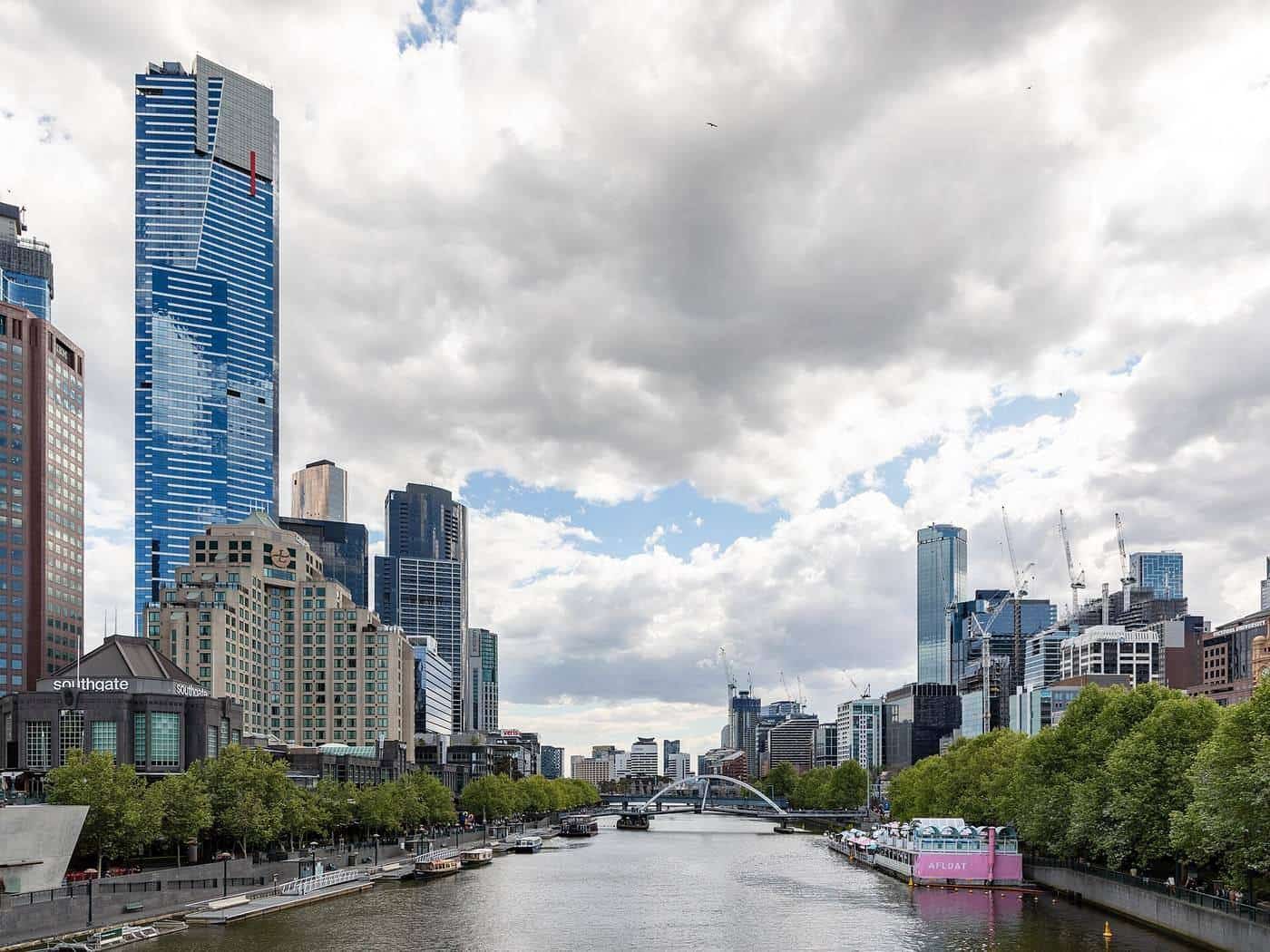
Golden hour, blue hour and Melbourne weather
What golden hour and blue hour are, how sunrise, sunset and twilight are defined, and how to plan around Melbourne’s changeable weather.
Read · 7 min
Skills
Night photography in Melbourne
A practical guide to night photography in Melbourne: blue hour, exposure settings, tripods, light trails, phones, safety and courtesy.
Read · 7 min
Skills
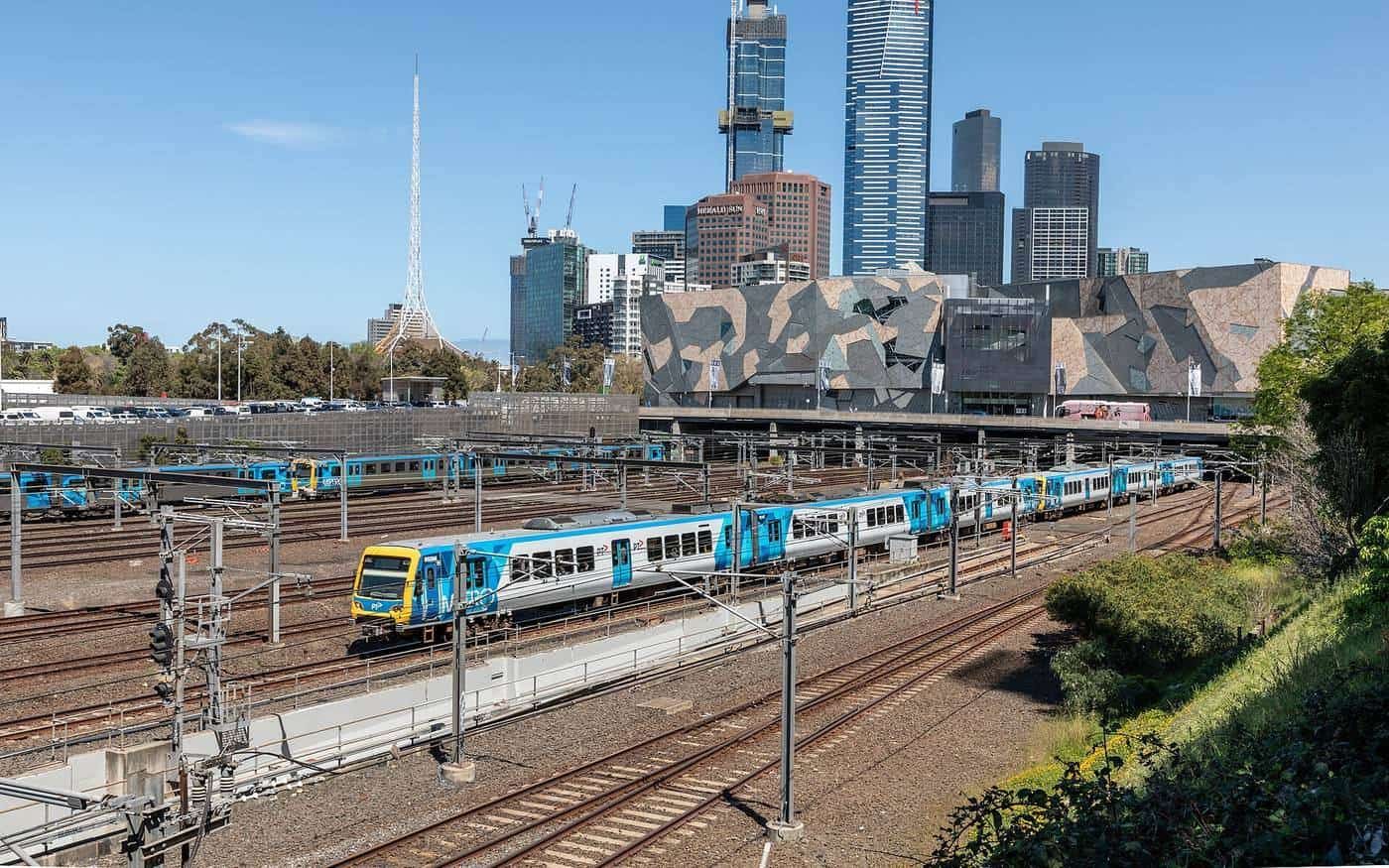
Street photography: courtesy and ethics
How to photograph people on Melbourne’s streets respectfully: when to ask, children, vulnerable people, publishing, and handling objections.
Read · 7 min
Skills
Hiring a photographer in Melbourne
What to check when hiring a wedding, portrait or event photographer in Melbourne: portfolio, contract, copyright, permits and consumer rights.
Read · 7 min
Frequently asked questions
When is golden hour in Melbourne?
It depends on the date. Use our calculator for sunrise, sunset, golden hour and blue hour times in Melbourne local time.
What settings are good for night city photos?
On a tripod, try ISO 100 to 400, around f/8 and several seconds, then adjust.
Should I ask before photographing strangers?
It isn’t generally legally required in public, but it’s often the respectful choice for close portraits.
What should a photographer’s contract cover?
Coverage, delivery, cancellation, backups, copyright and usage, permits and insurance.
Sources and further reading
Facts on this page were checked against these primary and official sources. Conditions change — confirm before you travel or buy.
- Astronomical definitions — Geoscience Australia
- Melbourne forecast — Bureau of Meteorology
- Street photographer's rights — Arts Law Centre of Australia
- Repair, replace, refund, cancel — ACCC