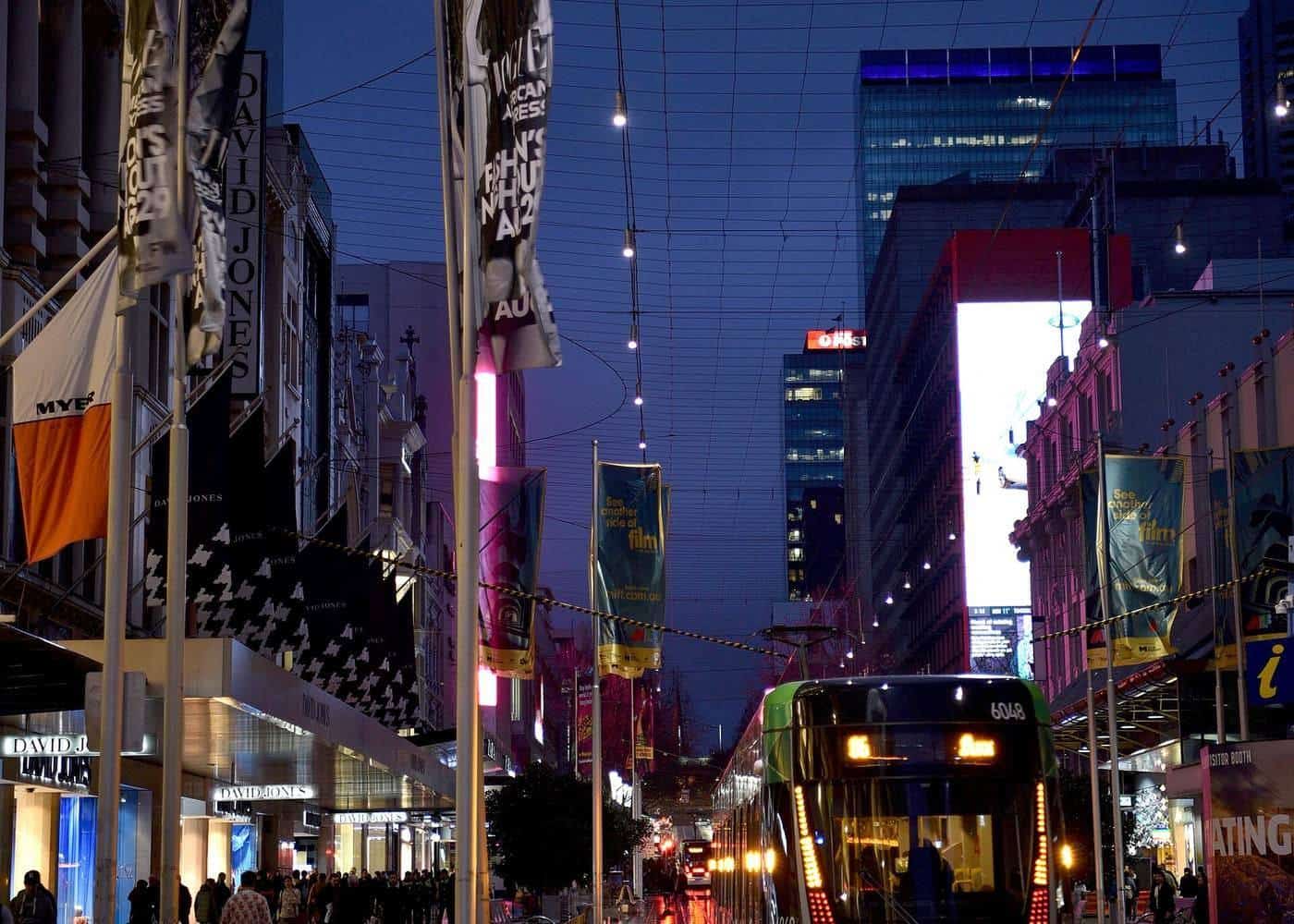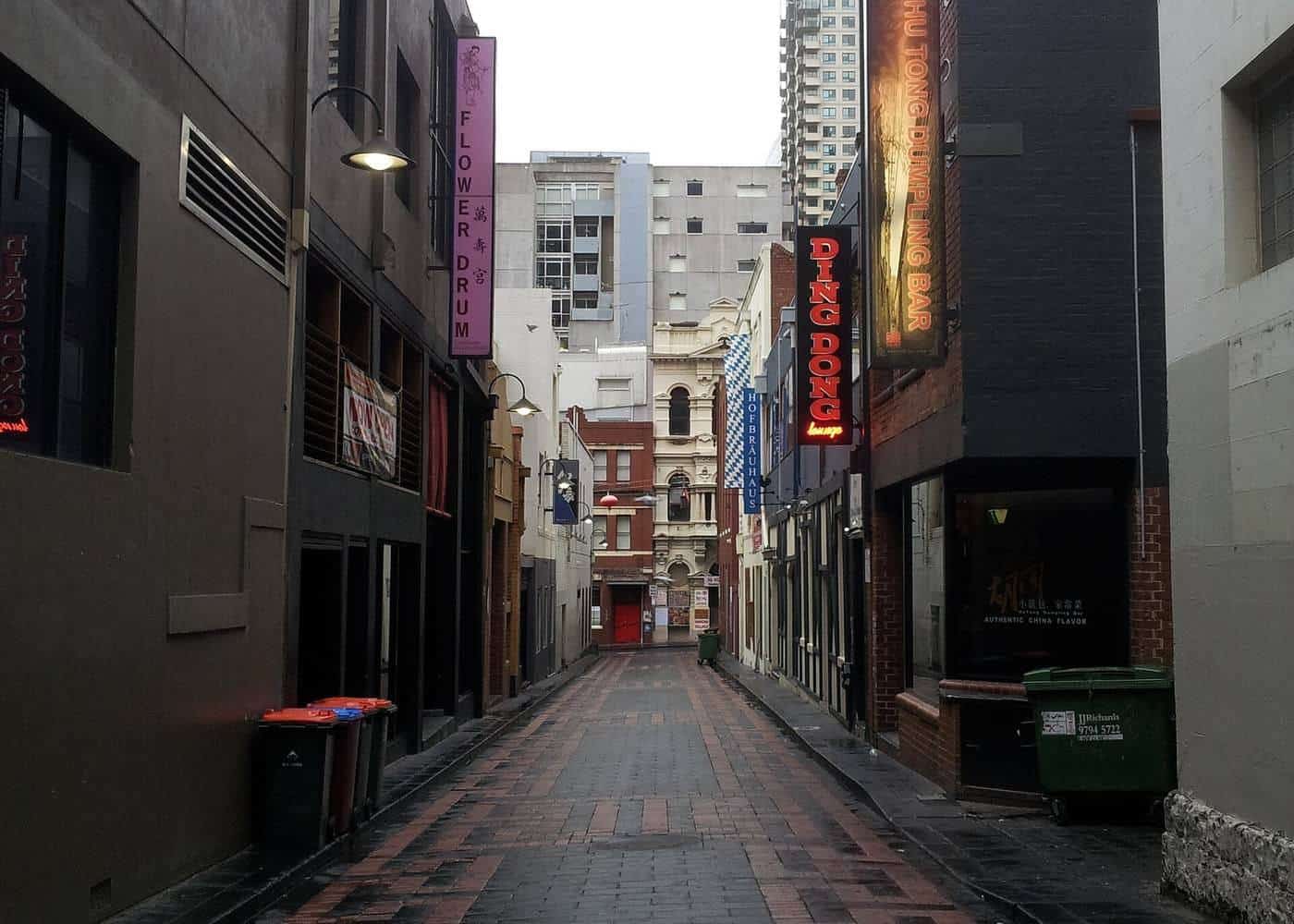
Street photography captures everyday life: people waiting for trams, workers on a break, friends laughing in a laneway. Melbourne is a wonderful place for it. In Australia the law generally allows photographing people in public places, as explained in our photography in public guide. But law sets the minimum, not the standard. This guide is about photographing people respectfully, so your photos tell honest stories without making people feel used or unsafe.
This guide is general information written in our own words, based on the sources listed at the end. It isn't legal advice. Rules, permit conditions and access arrangements change, so check with the land manager or authority before a shoot, especially if it's paid work. We're an independent site and aren't connected with any council, park manager or photography business.
Why ethics matter
Arts Law explains that it’s generally possible to take photographs in a public place without asking permission and that Australia has no privacy right protecting a person’s image. That freedom is valuable, and it relies on photographers using it responsibly. People who feel targeted or exploited by photographers are more likely to call police, complain or push for restrictions. Respectful practice protects your subjects and the freedom to photograph.
Asking, or not
There are two broad approaches:
- Candid: photographing people without interacting, to capture natural moments.
- Engaged: approaching people, chatting and asking for a portrait.
Both are valid. A useful rule of thumb: the closer and more personal the photo, the more reason to ask. A wide scene with people in it rarely needs a conversation. A tight portrait of one person’s face usually does, or at least a smile and a nod afterwards.
Reading the situation
Before you raise the camera, ask yourself:
- Would this person be embarrassed, upset or harmed if they saw this photo?
- Are they in a vulnerable moment, such as grieving, unwell, distressed or intoxicated?
- Is this a private moment in a public place, like an argument or an intimate exchange?
- Am I photographing them because of who they are, or what’s happening?
If the answer to any of the first three is yes, think twice.
Children
Arts Law notes a common but mistaken belief that parental consent is legally required to photograph children in public. Even so, photographing children you don’t know understandably worries parents. Avoid making children the focus of your photos, include them only as part of a wider scene, and if a parent asks, explain what you’re doing, show them the photo and delete it if they prefer. Never photograph children in a way that could be indecent or sexualised; Arts Law notes there are serious criminal offences in this area.
People experiencing hardship
Photos of people sleeping rough or in distress can raise awareness, but they can also exploit. If you photograph someone experiencing homelessness, ask first, treat them as a person rather than a symbol, and consider whether the image respects their dignity. Many photographers choose not to take such photos without a genuine connection and consent.
Workers and businesses
Café staff, buskers, market traders and street performers are often happy to be photographed, but they’re working. Don’t block their customers or stage, and consider buying something or dropping a coin in a busker’s case if you take several photos.
When someone objects
If someone notices and objects:
- Stay calm and friendly.
- Explain what you’re doing and why you liked the moment.
- Offer to show them the photo.
- Offer to delete it if they’re unhappy. You may not be legally required to, but it’s usually the decent thing.
- Walk away if the situation escalates.
Publishing street photos
Taking a photo and publishing it are different steps. Before posting, consider:
- Captions. Arts Law notes the caption or context of a photo can make it defamatory. Avoid captions that make assumptions about people.
- Commercial use. Selling a print of a street scene is different from using someone’s image to advertise a product. For advertising, Arts Law recommends a signed model release.
- Identifiability. If a person could be harmed by being identified, choose a different frame or don’t publish.
- Platform and audience. A photo in a gallery exhibition is different from a viral social media post.
Practical tips for respectful street photography
- Be visible. Hiding or using a long lens from far away can feel sneaky; working openly builds trust.
- Smile and say thanks.
- Carry a card or have your website handy if people ask where to see the photos.
- Share photos with people who ask.
- Respect “no”. Move on graciously.
Practising deliberately
Skills improve fastest with deliberate practice. Pick one technique for each outing, such as blue hour exposures, reflections or candid portraits, and focus on it. Review your photos afterwards, note what worked and what didn’t, and go back to try again. Small, regular sessions teach more than occasional big trips.
Editing lightly
Good editing enhances what you saw rather than replacing it. Start with straightening, cropping and exposure, then adjust white balance, contrast and colour. Be careful with heavy filters and over-sharpening. If you photograph people, avoid edits that distort how they look without their agreement, and be honest when a composite or heavy edit is presented.
Backing up your photos
Keep at least two copies of photos that matter, ideally in different places, such as an external drive and a cloud service. Copy cards to your computer soon after each shoot, and don’t format a card until you’ve confirmed the backup. For paid work, a careful backup routine is part of a professional service.
Learning from others
Melbourne has camera clubs, photo walks, workshops, exhibitions and online communities where you can learn and share. Looking at other people’s work, and asking how it was made, is one of the fastest ways to improve. Be generous with feedback, and credit others when you borrow an idea or location.
Choosing gear
You don’t need expensive equipment to make good photos. A modern phone handles most situations well. If you upgrade, a camera with manual controls, a versatile lens and a small tripod covers most of the techniques in this guide. Before buying, think about what limits your photos now, and buy for that need rather than for features you won’t use.
How we write our guides
Every guide on this site is written in our own words from official and expert sources, such as the Arts Law Centre of Australia, the City of Melbourne, Royal Botanic Gardens Victoria, Parks Victoria, CASA, Geoscience Australia, the Bureau of Meteorology and the ACCC. We link to each source at the end of the page. We never invent statistics, quotes, prices or reviews, and we don’t accept payment to change what our guides say.
About this site
Photography Melbourne is an independent guide to photographing Melbourne: where to go, when the light is best, the rules that apply and how to work respectfully. We’re not a photography business, council, park manager or government agency, and we don’t sell or rank photographers or equipment. Our guides are general information with sources listed on every page.
Corrections and feedback
We review our guides against their sources and show the date each page was last checked. If you notice something out of date or incorrect, such as a change to a permit process or CASA rule, please tell us through our contact page. We read every message and correct mistakes promptly.
Plan with the golden hour calculator
Our free golden hour calculator shows sunrise, sunset, golden hour and blue hour for central Melbourne on any date, in Melbourne local time. It runs entirely in your browser, and nothing you enter is sent anywhere.
Sharing street photos responsibly
The ethical questions in street photography often arise after the shutter clicks, when you decide what to share. Before posting, ask whether the photo shows someone in a moment they might reasonably find embarrassing, distressing or harmful to have published. Images of people experiencing homelessness, illness, grief or intoxication deserve particular care, and children should be treated with extra caution. Consider whether the caption could mislead, for example by implying something about a person that you don’t know to be true. Avoid tagging exact locations when that could identify someone’s home or routine. If a person asks you to remove a photo of them, honouring the request is usually the decent thing to do, even if the law doesn’t require it. Arts Law notes that publishing can raise issues such as defamation or misleading commercial use, so take care with captions and with using people’s images in anything that promotes a product. Many street photographers find that thinking about these questions improves their work, because it pushes them towards photographs that respect their subjects rather than exploiting them.
Key points
- The law generally allows photos of people in public, but law is the minimum, not the standard.
- The closer and more personal the photo, the more reason to ask.
- Avoid making unknown children the focus, and respond kindly to parents’ concerns.
- Treat people experiencing hardship with dignity; ask first.
- Think about captions and context before publishing; get a model release for advertising.
Frequently asked questions
Should I ask permission before photographing strangers?
It isn’t generally legally required in public, but asking is often the respectful choice, especially for close portraits.
What should I do if someone objects to being photographed?
Stay calm, explain what you’re doing, and consider deleting the photo or not publishing it. Kindness usually defuses the situation.
Can I post street photos of people online?
Generally yes for non-commercial use, but think about context, captions and whether the person could be embarrassed or harmed.
Should I photograph homeless people?
Be very careful. Ask first, treat people with dignity and avoid images that exploit hardship.
Sources and further reading
Facts on this page were checked against these primary and official sources. Conditions change — confirm before you travel or buy.
- Street photographer's rights — Arts Law Centre of Australia
- Copyright information sheet — Arts Law Centre of Australia