Most photographers never run into legal trouble, but knowing the rules gives you confidence, and avoids the awkward moment when a ranger or venue manager asks what you’re doing. These guides explain the rules that matter most when photographing in Melbourne, in plain language, with links to official and expert sources.
Guides in this section
- Photography in public places in Victoria What the law generally allows, its limits and handling challenges.
- Flying a camera drone in Melbourne CASA’s rules for recreational pilots, and city limits.
- Photography permits in Melbourne When councils, the Botanic Gardens and Parks Victoria require permits.
- Copyright for photographers in Australia Who owns photos, wedding photos, buildings and public art.
The big picture
Arts Law explains that it’s generally possible to take photographs in public places without permission, including of buildings, sites and people, and that Australia has no general privacy right protecting a person’s image. The limits come from specific laws, such as those on indecent images, voyeurism, harassment and surveillance devices, from property rights, and from rules about how photos are used. Land managers regulate commercial and higher-impact shoots through permits.
Personal versus commercial
Many rules turn on whether a shoot is personal or commercial. Personal photos for yourself, friends and family rarely need permits or releases. Paid shoots, advertising and stock photography are more likely to need location permits, model releases and sometimes extra drone approvals. Our permits guide explains how land managers draw the line.
Who to ask
- Streets, laneways and central parks: the City of Melbourne.
- Melbourne and Cranbourne Gardens: Royal Botanic Gardens Victoria.
- Metropolitan, bayside and national parks: Parks Victoria.
- Suburban parks and beaches: the local council.
- Drones: CASA, plus the land manager.
- Venues and private property: the owner or operator.
Using photos
Taking a photo and using it are separate questions. Copyright, model releases, defamation and consumer law can matter when you publish or sell photos, especially of people or artworks. Our copyright guide explains the basics, including the special rule for wedding photos.
When you’re challenged
If police, rangers or venue staff ask about your photography, stay calm and polite, explain what you’re doing and follow reasonable directions. Arts Law notes that police often approach photographers in response to a complaint. Raise any concerns afterwards through the proper channels.
Five things worth knowing
- Photography in public is generally allowed without asking permission, as the Arts Law Centre of Australia explains, with specific limits.
- Commercial shoots often need permits. Royal Botanic Gardens Victoria, Parks Victoria and the City of Melbourne all have permit processes.
- The best light is low light. Plan around golden hour and blue hour with our calculator.
- Drones are tightly limited in the city. CASA rules keep recreational pilots 30 metres from people and away from populous areas.
- Wedding photos are a copyright special case. Under section 35 of the Copyright Act, the paying client generally owns copyright unless agreed otherwise.
Common mistakes to avoid
A few mistakes come up again and again. Booking a wedding shoot in the Botanic Gardens without a permit. Setting up a tripod across a narrow laneway footpath. Flying a drone over a crowded beach. Climbing on privately owned bathing boxes. Using flash on penguins at the St Kilda breakwater. Selling prints of a mural without asking the artist. Each is easy to avoid once you know the rules and courtesies, and our guides explain them.
Three questions that cover most situations
Most photography questions in Melbourne come down to three things. First, where are you: a public street, a managed park or garden, or private property? Second, what are you doing: personal photography, or a commercial or organised shoot with equipment and crew? Third, how will the photos be used: kept privately, shared socially, published editorially or used to sell something? Arts Law explains that photography in public places is generally allowed, while land managers such as the City of Melbourne, Royal Botanic Gardens Victoria and Parks Victoria set permit requirements, often for commercial or larger shoots. Use determines whether copyright, releases or consumer law come into play.
Drones are a special case
Drones sit apart from other photography because airspace is regulated nationally by the Civil Aviation Safety Authority. CASA’s standard rules apply wherever you fly, including limits on height, distance from people and flying near airports, and land managers can add their own restrictions on take-off and landing. Our drone guide explains the key rules and how to check a location before you fly, but CASA’s website and its verified safety apps remain the authoritative sources.
Using photos commercially
Selling or licensing photos raises extra questions. If identifiable people appear in an advertisement, using their image without permission can create problems under consumer law, and the ACCC explains that businesses must not make misleading claims, including implied endorsements. Photos of artworks, such as murals, may need the artist’s permission for commercial use, as Arts Law explains in its copyright guidance. Model and property releases are a practical way to manage these risks. If you are unsure, our copyright guide is a good starting point, and Arts Law offers advice to artists.
Children and sensitive places
Extra care applies when photographing children and in sensitive places. Many schools, pools, playgrounds and sports clubs have their own photography policies, and it is good practice to ask a parent or guardian before photographing a child you don’t know. Hospitals, courts, government buildings and transport facilities may have specific restrictions. When in doubt, ask whoever manages the place, and respect requests not to photograph.
Keeping notes for paid work
If you shoot commercially, a short written checklist saves trouble later. Note the land manager, whether a permit was required, what the permit allows, and any conditions about times, crew size or equipment. Keep a copy of invoices and emails that show what the client commissioned. For wedding and portrait work, write down who owns copyright and how images may be used, because section 35 of the Copyright Act treats commissioned portraits differently from many other photos unless the parties agree otherwise. Clear notes protect both the photographer and the client.
Where general guides stop
These pages summarise commonly cited rules and land-manager processes in plain language. They cannot cover every by-law, lease condition or temporary restriction, and they are not legal advice. Festivals, building works and security alerts can change access overnight. Always check the official source linked on the page before you rely on a detail, and ask the land manager if your shoot is larger, commercial or unusual.
About these guides
Photography Melbourne is an independent information site about photographing Melbourne. We aren’t a photography business, council, park manager, government agency or law firm, and we don’t sell, rank or recommend photographers or equipment. Our guides are general information written in our own words, with sources listed on every page. They’re not legal advice.
How we keep these guides current
We review each guide against its sources and show the date it was last checked. Permit processes, CASA rules and land manager conditions change from time to time. If you notice something out of date, please tell us through our contact page, and we’ll check and correct it.
Try the golden hour calculator
Our free golden hour calculator shows sunrise, sunset, golden hour and blue hour for central Melbourne on any date, in Melbourne local time. It runs entirely in your browser, and nothing you enter is sent anywhere.
Guides in this section
Rules
Photography in public places in Victoria
What the law generally allows when photographing people and places in public in Victoria and Australia, and the limits that apply.
Read · 7 min
Rules
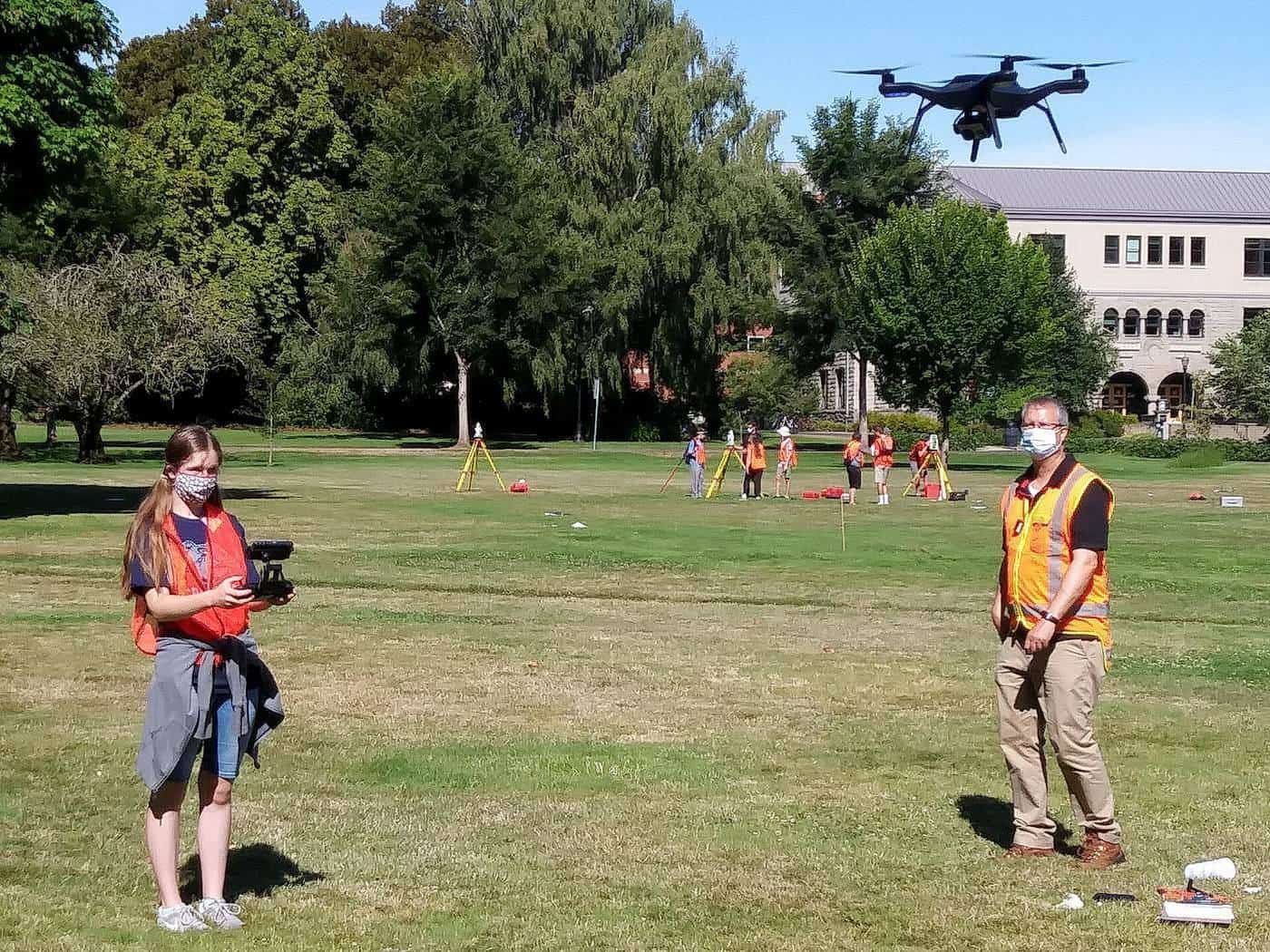
Flying a camera drone in Melbourne
CASA’s rules for recreational drone photography in Melbourne: height, distance from people, populous areas, airports, parks and commercial use.
Read · 7 min
Rules
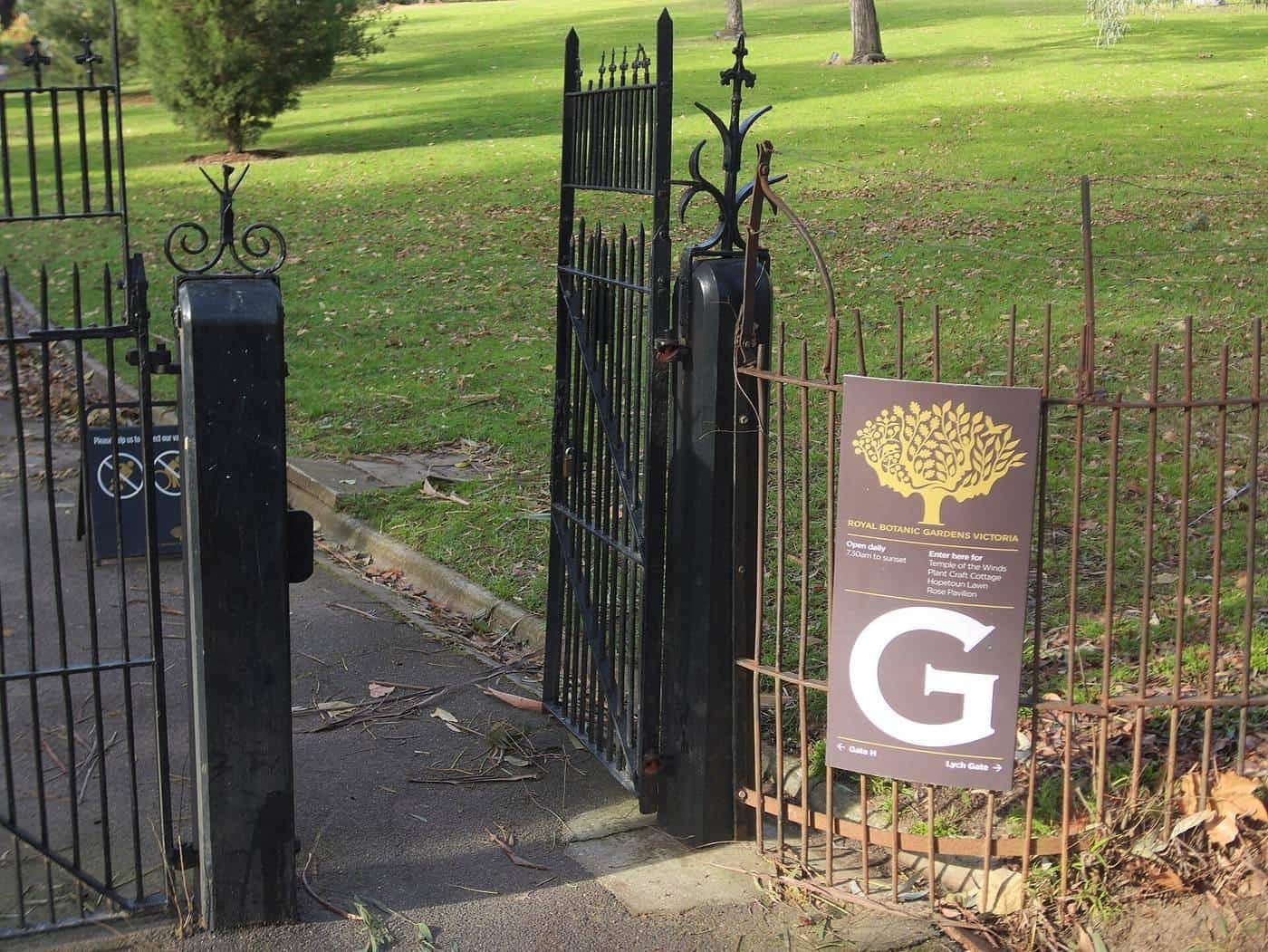
Photography permits in Melbourne
When photography in Melbourne needs a permit: City of Melbourne streets and parks, the Botanic Gardens, Parks Victoria and private venues.
Read · 7 min
Rules
Copyright for photographers in Australia
Who owns copyright in photos in Australia, including wedding and commissioned photos, buildings and public art, and how to share images.
Read · 7 min
Frequently asked questions
Is it legal to photograph people in public in Victoria?
Generally yes. Arts Law explains it is generally possible to photograph people in public places without permission, with specific limits such as voyeurism and surveillance laws.
Can I fly a drone in Melbourne?
With strict limits. CASA rules include a 120 m height limit, staying 30 m from people and not flying over populous areas.
When do I need a photography permit?
Mostly for commercial, larger or disruptive shoots. Check with the land manager: the City of Melbourne, Royal Botanic Gardens Victoria, Parks Victoria or a council.
Who owns wedding photo copyright?
Under section 35 of the Copyright Act, the paying client generally owns copyright in photos for a private or domestic purpose, unless agreed otherwise.
Sources and further reading
Facts on this page were checked against these primary and official sources. Conditions change — confirm before you travel or buy.
- Street photographer's rights — Arts Law Centre of Australia
- Drone rules — Civil Aviation Safety Authority
- Filming permits — City of Melbourne
- Copyright Act 1968, section 35: ownership of copyright — AustLII