Permits are the part of photography in Melbourne that catches people out most often: the wedding party asked to leave the gardens, the influencer shoot moved on from a laneway, the small business owner surprised by a ranger. The good news is that most casual photography doesn’t need a permit. The trick is knowing when a shoot crosses the line, and who to ask. This guide explains the common situations.
This guide is general information written in our own words, based on the sources listed at the end. It isn't legal advice. Rules, permit conditions and access arrangements change, so check with the land manager or authority before a shoot, especially if it's paid work. We're an independent site and aren't connected with any council, park manager or photography business.
The general principle
Arts Law explains that photographers can generally take photos in public places, but that some councils require permits for photography at well-known locations, particularly for commercial purposes. Where councils regulate photography, it’s usually aimed at higher-impact shoots: blocking streets, occupying space for long periods or building a set. Land managers such as park authorities set their own conditions.
So the questions are: who manages the place, is the shoot commercial, and how much space and disruption will it involve?
City of Melbourne
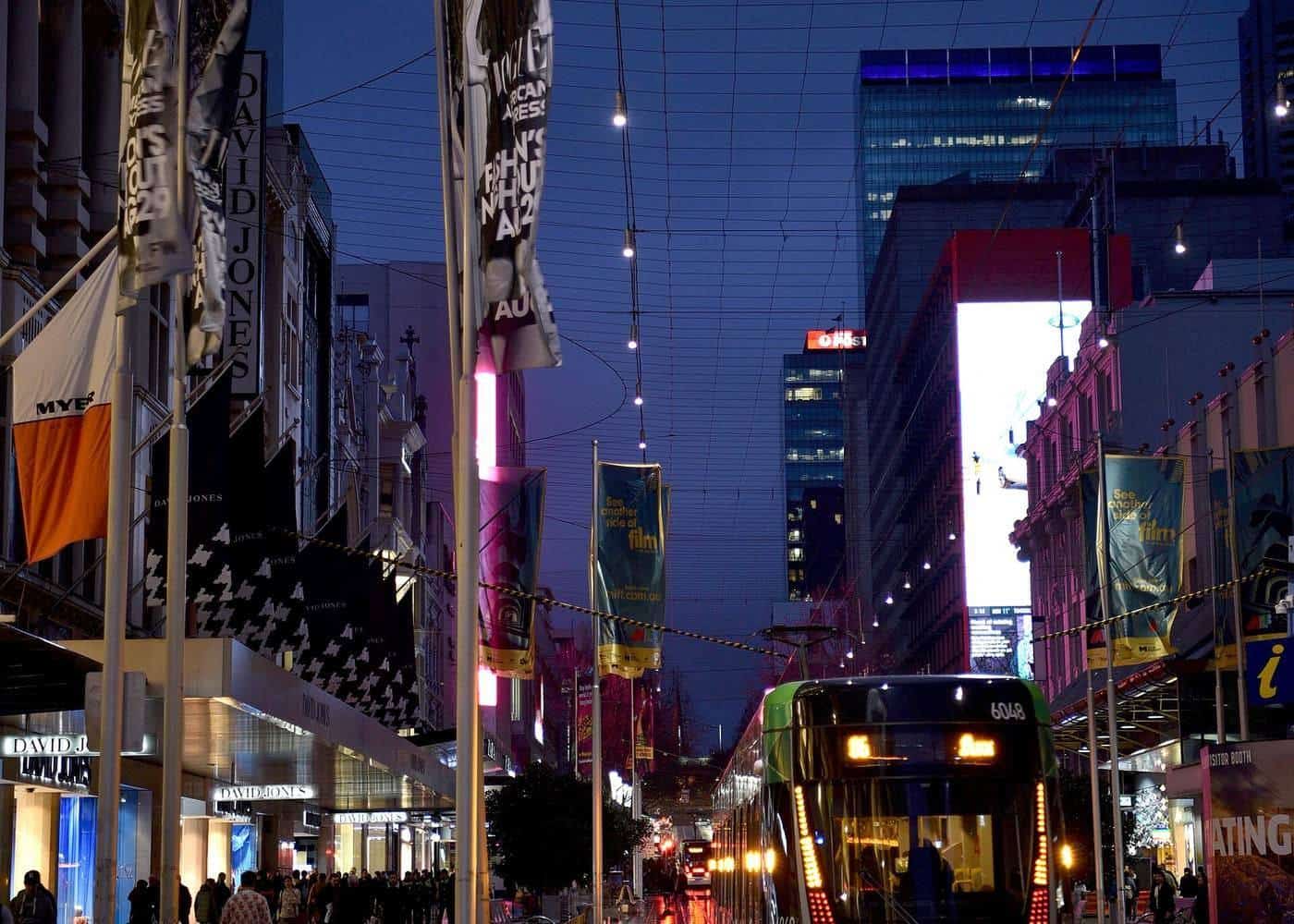
The City of Melbourne manages streets, laneways, squares and many parks and gardens in the central city. Its filming permits page explains that low-impact filming and photography generally doesn’t need a permit, and lists situations where one is needed, such as larger crews, more than one camera or tripod, equipment that blocks footpaths or roads, drone use, and certain sites such as the Fitzroy Gardens Conservatory. It asks for applications in advance, at least five business days for many shoots. Check the current criteria and lead times on its page before planning.
Royal Botanic Gardens Victoria
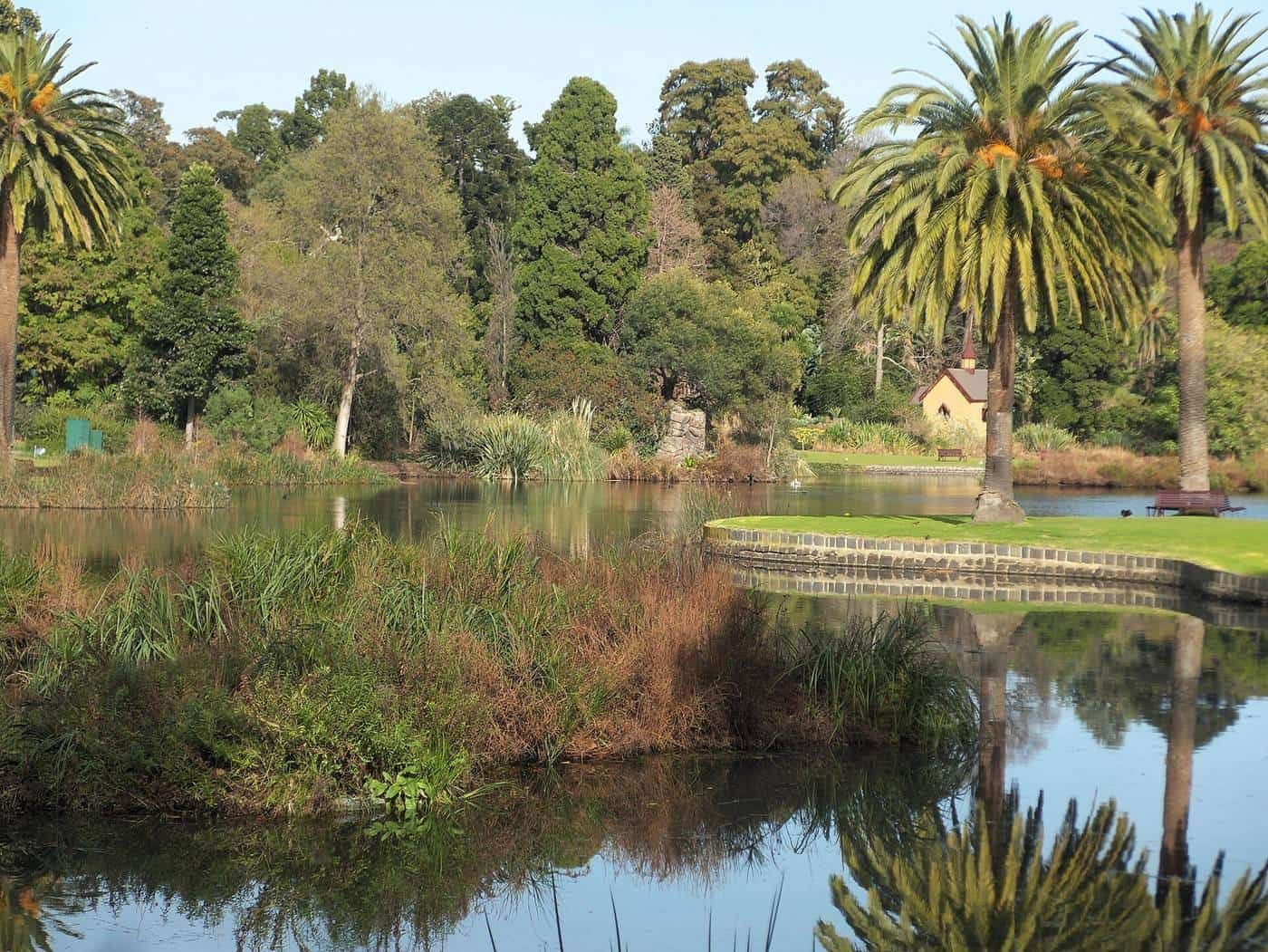
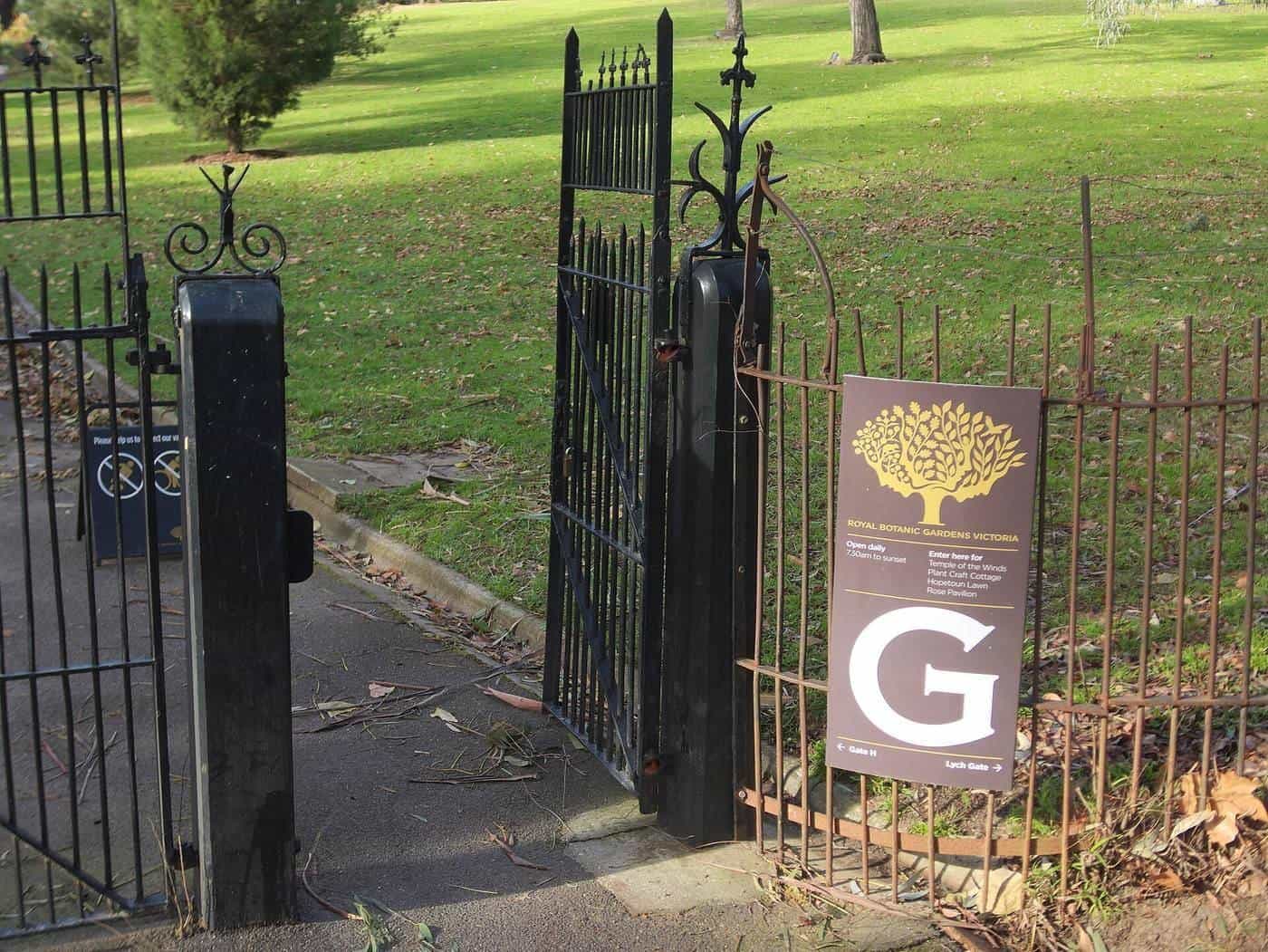
Royal Botanic Gardens Victoria manages Melbourne Gardens and Cranbourne Gardens. Its filming and photography page says commercial filming and photography need a permit, including professional wedding photography, and asks for at least 10 working days’ notice. Personal photography by visitors doesn’t need a permit.
Parks Victoria
Parks Victoria manages many metropolitan parks, waterways, bayside areas and national parks. It says filming and photography for commercial purposes in the parks it manages generally need a permit, while recreational photography generally doesn’t. Some sites have extra conditions to protect wildlife, heritage or visitors.
Other councils
Suburban councils manage beaches, foreshores and parks across Melbourne, and each has its own rules. Search the council’s website for “filming permit” or “photography permit”, or call them.
Private property
Shopping centres, markets, stadiums, galleries, hotels, cafés and arcades are private property. Arts Law notes that owners can set conditions on photography, and Queen Victoria Market is one example it mentions. For a commercial shoot, ask the venue for written permission.
What counts as commercial?
Different land managers define it differently, but common examples include:
- Paid portrait, engagement and wedding photography.
- Photos for advertising, products, brands or businesses.
- Stock photography you plan to sell.
- Paid content creation for social media.
- Film, TV and video productions.
A friend taking photos at your picnic isn’t commercial. A paid photographer with an assistant and lighting is.
Signs a shoot may need a permit
- A paid photographer or crew.
- Lighting, stands, reflectors or a set.
- More than a handful of people involved.
- A tripod blocking a footpath, or several tripods.
- Exclusive use of an area, or asking the public to move.
- Drones.
- Sensitive sites such as conservatories, heritage buildings or wildlife areas.
Applying
Allow time. Applications usually ask for the date, location, number of people, equipment, insurance details and a description of the shoot. Some require public liability insurance and fees. If you’re a couple booking a wedding photographer, ask them who applies and who pays.
If you’re asked to stop
If a ranger, council officer, venue staff member or police officer asks about your shoot, stay polite, explain what you’re doing and comply with reasonable directions. If you believe you were wrongly stopped, raise it afterwards with the land manager rather than arguing on the spot.
Keeping up to date
Laws, permit criteria and CASA rules change from time to time. We review this guide against its sources and show the date it was last checked, but always confirm with the official source before relying on it for a particular shoot. If you notice something out of date, please tell us through our contact page.
Getting legal help
This guide is general information. If you need advice about your situation, the Arts Law Centre of Australia offers legal advice to artists and arts organisations, and community legal centres across Victoria provide free help on many legal problems. For permits, the land manager is usually the best first contact. For drones, CASA’s website and approved safety apps are the authoritative sources.
A quick decision guide
Ask yourself four questions before any shoot. Who manages the place: a council, a park authority or a private owner? Is the shoot personal or commercial? Will it involve equipment, a crew or exclusive use of space? Will you use the photos to advertise something or show identifiable people? If the answers point to commercial use, equipment or advertising, check permits, permissions and releases before you go.
Respect goes further than rules
Following the rules is the baseline. Being considerate of other people, wildlife and places is what keeps photography welcome in shared spaces. Most conflicts between photographers and the public start with blocked paths, ignored requests or a lack of courtesy, not with a breach of the law. A friendly explanation and willingness to move usually resolves things quickly.
Common myths
Common myths include that you always need consent to photograph people in public, that you need a permit for any photo in a park, and that buildings can’t be photographed without permission. As this guide explains, the real position is more nuanced: generally allowed in public, with specific limits, and with permits mostly aimed at commercial and higher-impact shoots.
How we write our guides
Every guide on this site is written in our own words from official and expert sources, such as the Arts Law Centre of Australia, the City of Melbourne, Royal Botanic Gardens Victoria, Parks Victoria, CASA, Geoscience Australia, the Bureau of Meteorology and the ACCC. We link to each source at the end of the page. We never invent statistics, quotes, prices or reviews, and we don’t accept payment to change what our guides say.
About this site
Photography Melbourne is an independent guide to photographing Melbourne: where to go, when the light is best, the rules that apply and how to work respectfully. We’re not a photography business, council, park manager or government agency, and we don’t sell or rank photographers or equipment. Our guides are general information with sources listed on every page.
Corrections and feedback
We review our guides against their sources and show the date each page was last checked. If you notice something out of date or incorrect, such as a change to a permit process or CASA rule, please tell us through our contact page. We read every message and correct mistakes promptly.
Plan with the golden hour calculator
Our free golden hour calculator shows sunrise, sunset, golden hour and blue hour for central Melbourne on any date, in Melbourne local time. It runs entirely in your browser, and nothing you enter is sent anywhere.
Preparing a permit application
A good application makes approval faster and smoother. Gather the basics before you contact the land manager: the date and a back-up date, start and finish times, the exact location, the number of people involved, the equipment you will bring, how you will get it on site, and whether you need any exclusive use of space. Explain the purpose plainly, for example a wedding portrait session, a product shoot for a small business or a student film. Many land managers ask for evidence of public liability insurance for commercial work, so check what level they require and confirm your cover before you apply. Allow plenty of lead time, since processing can take longer around busy seasons and major events. Read the conditions carefully when the permit arrives; they may limit hours, areas, vehicle access or the use of props and lighting. Carry a copy on the day, brief your team and clients about the conditions, and leave the site as you found it. If plans change, contact the land manager rather than assuming the permit still covers you.
Key points
- Casual, low-impact photography generally doesn’t need a permit.
- The City of Melbourne requires permits for larger or disruptive shoots and certain sites.
- Royal Botanic Gardens Victoria requires a permit for commercial and professional wedding photography, with 10 working days’ notice.
- Parks Victoria generally requires permits for commercial photography in its parks.
- Private venues set their own rules; get written permission for commercial shoots.
Frequently asked questions
Do I need a permit to take photos in Melbourne?
Casual, personal photography in public places generally doesn’t need a permit. Larger, commercial or disruptive shoots often do, depending on who manages the land.
When does the City of Melbourne require a filming permit?
The City of Melbourne explains its criteria on its filming permits page, such as shoots that obstruct footpaths, use larger crews, set up equipment, use drones or take place at certain sites. Check its current page.
How far ahead should I apply for a permit?
It depends on the land manager. Royal Botanic Gardens Victoria asks for at least 10 working days’ notice. The City of Melbourne sets its own lead times, so check early.
Who arranges the permit for a wedding shoot?
Ask your photographer. Many professionals arrange permits for locations they use, but confirm in writing who is responsible.
Sources and further reading
Facts on this page were checked against these primary and official sources. Conditions change — confirm before you travel or buy.
- Filming permits — City of Melbourne
- Filming and photography — Royal Botanic Gardens Victoria
- Apply for a filming and photography permit — Parks Victoria
- Street photographer's rights — Arts Law Centre of Australia