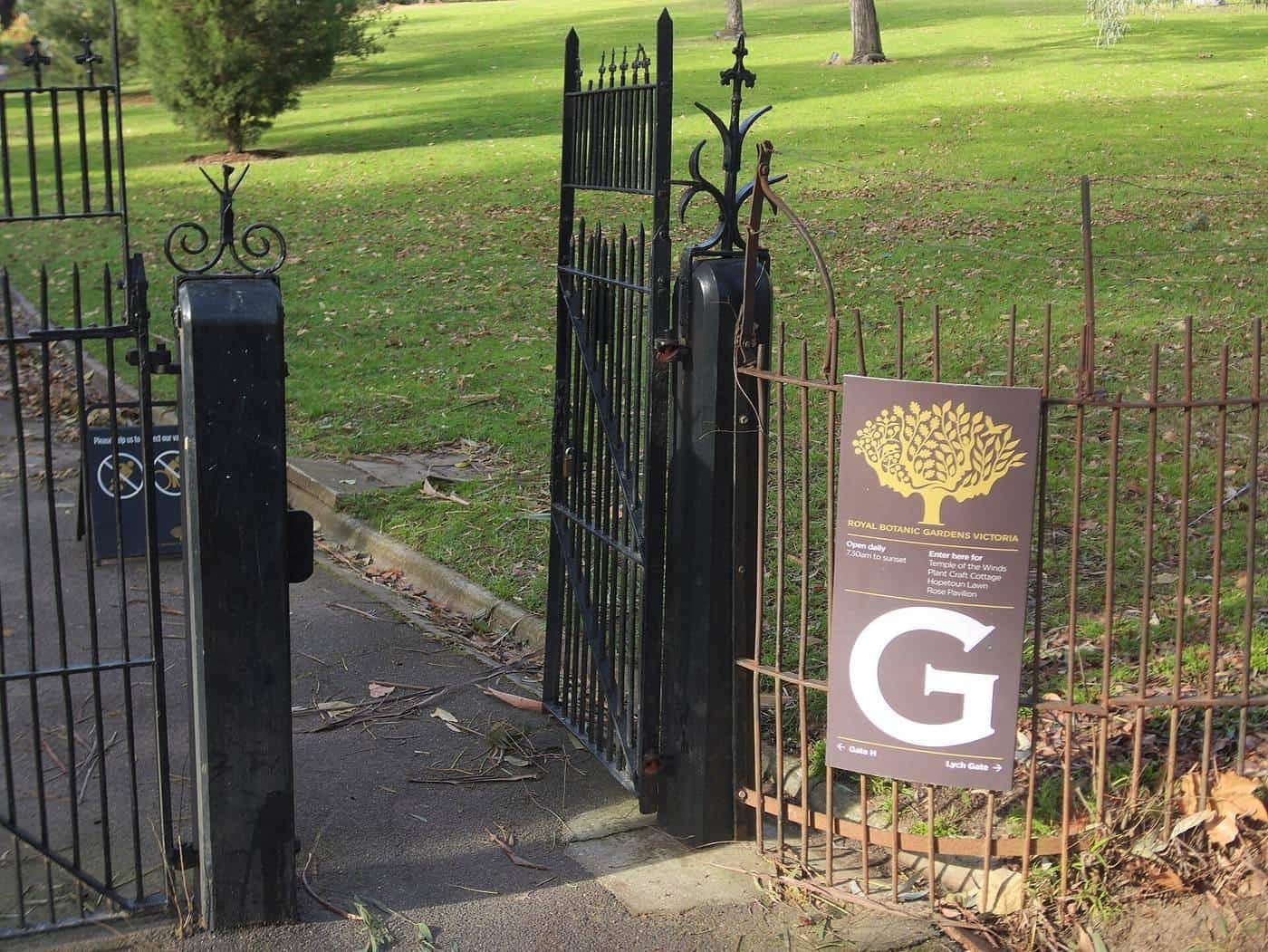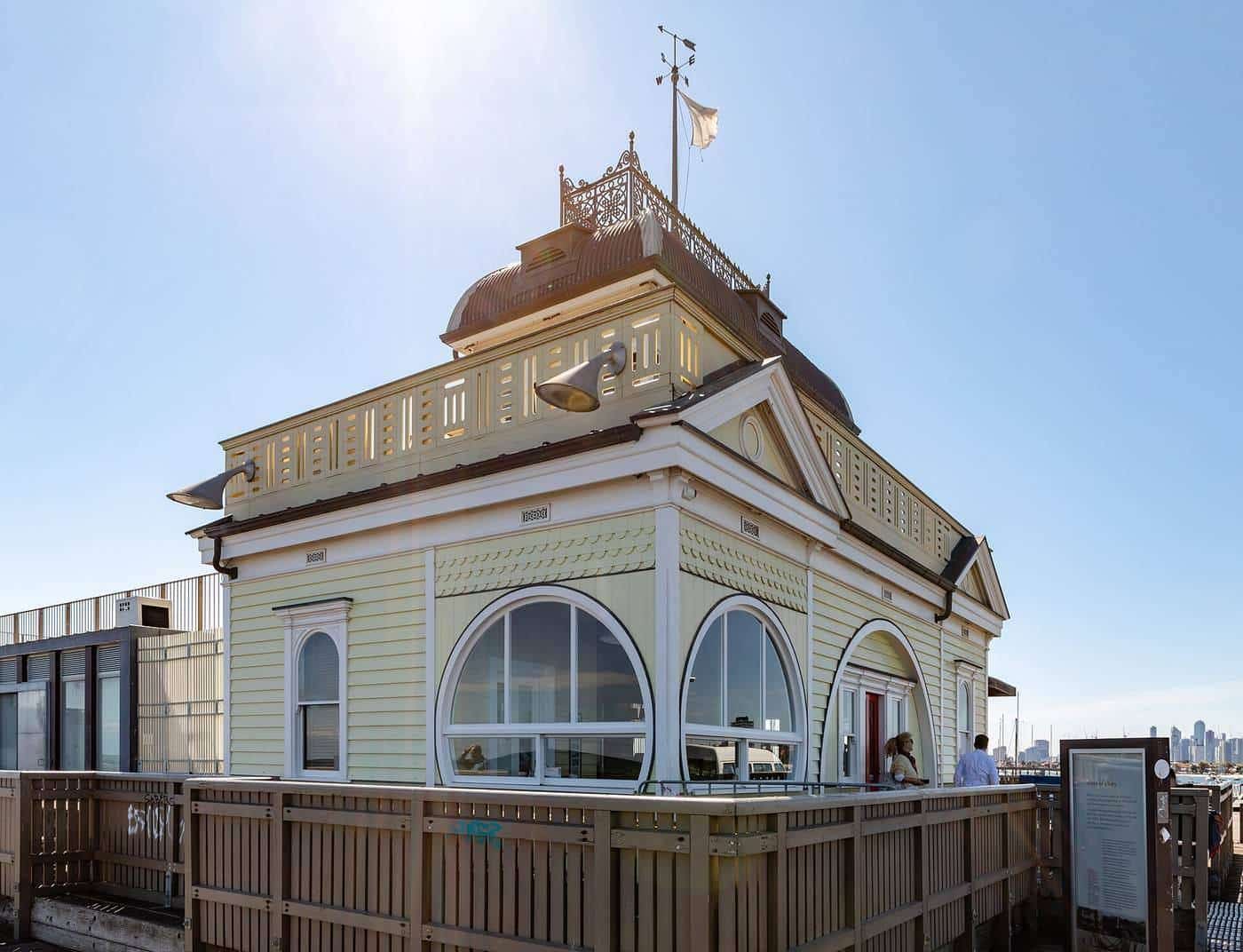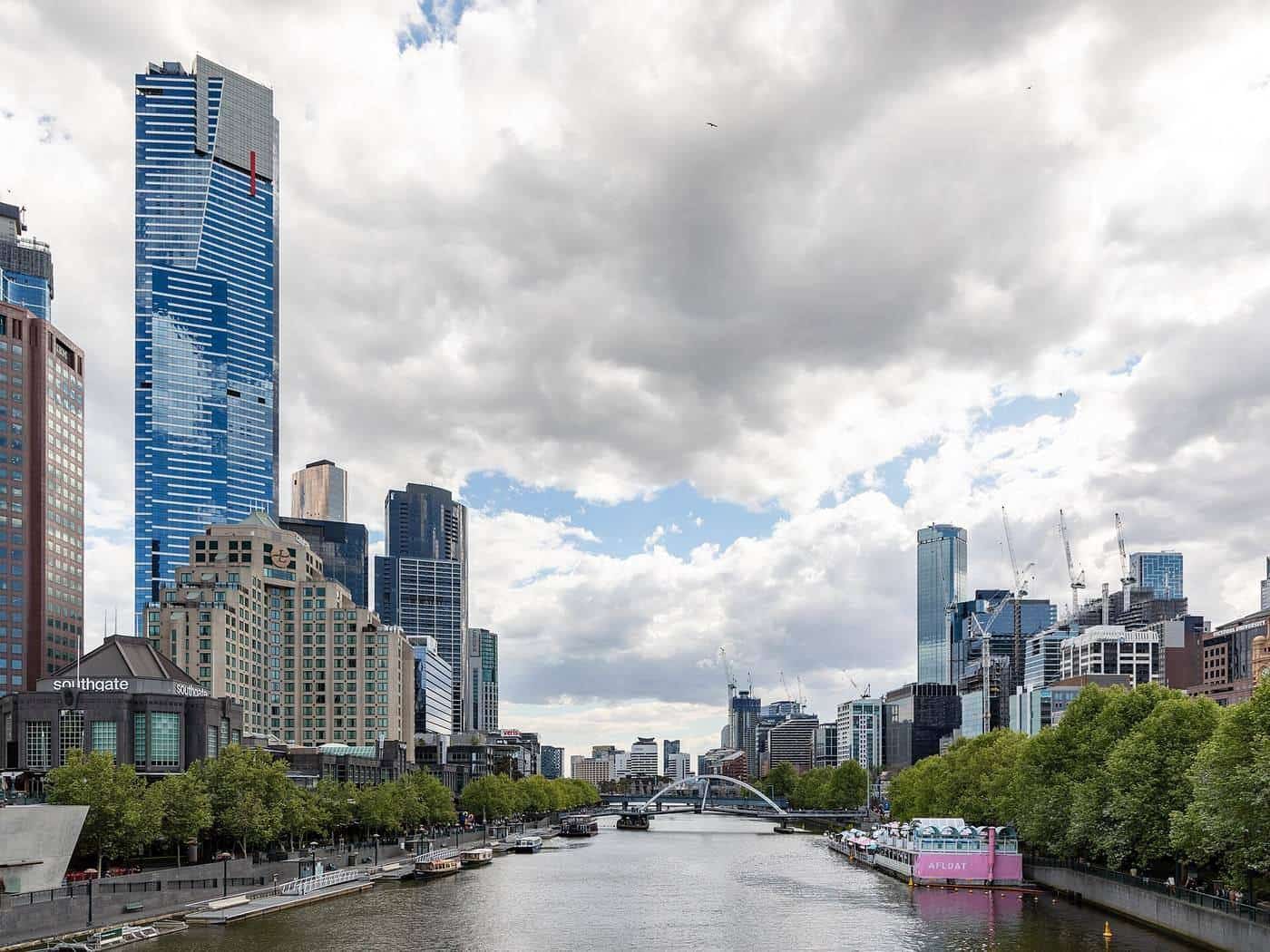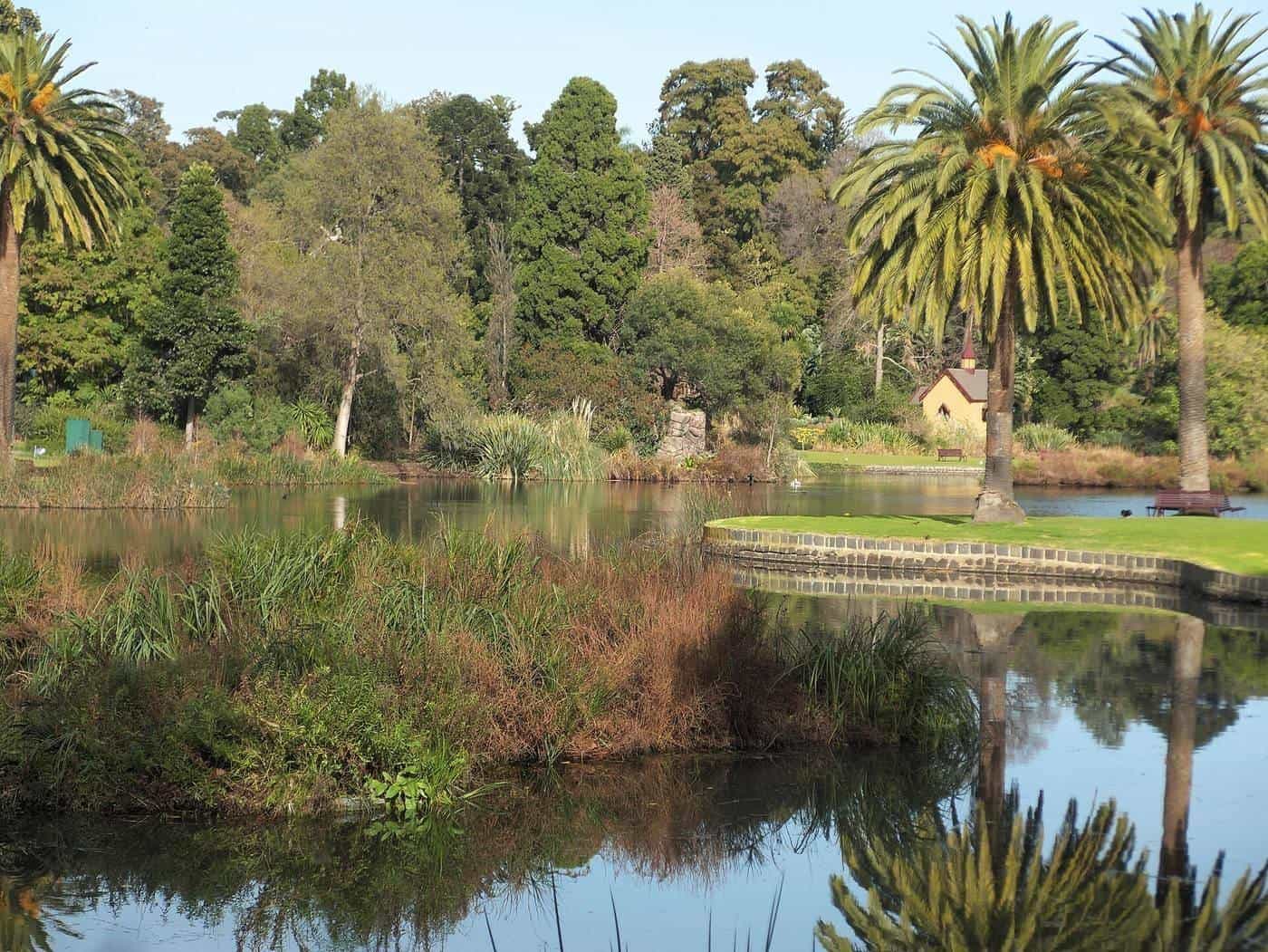
Melbourne calls itself a garden city, and its parks are some of the best places in Australia to photograph trees, lakes, flowers, birds and people. The Royal Botanic Gardens, the Fitzroy and Treasury Gardens, the Flagstaff Gardens and suburban parks all have their own character. They are also the places where photographers most often run into permit rules, especially for weddings and commercial shoots. This guide covers both the photography and the rules.
This guide is general information written in our own words, based on the sources listed at the end. It isn't legal advice. Rules, permit conditions and access arrangements change, so check with the land manager or authority before a shoot, especially if it's paid work. We're an independent site and aren't connected with any council, park manager or photography business.
Who manages the park matters
Parks in and around Melbourne are managed by different bodies, and each has its own rules:
- Royal Botanic Gardens Victoria manages the Melbourne Gardens and Cranbourne Gardens.
- The City of Melbourne manages many inner-city parks and gardens, such as the Fitzroy, Treasury and Flagstaff Gardens.
- Parks Victoria manages metropolitan parks, many waterways and bayside areas, and national and state parks.
- Other councils manage local parks in the suburbs.
Before any shoot that goes beyond personal photography, work out who manages the land and check their current permit page.
Personal photography
If you’re taking photos for yourself, family or social media, you generally don’t need a permit in public parks. Parks Victoria says recreational photography generally doesn’t require a permit. Royal Botanic Gardens Victoria welcomes visitors photographing the gardens for personal use. Keep to paths, don’t climb trees or garden beds, and follow any signs.
Weddings, portraits and commercial shoots
This is where the rules change. Royal Botanic Gardens Victoria says commercial filming and photography in its gardens needs a permit, including professional wedding photography, and asks for at least 10 working days’ notice. Parks Victoria says filming and photography for commercial purposes in parks it manages generally needs a permit. The City of Melbourne lists situations where its parks and gardens need a filming or photography permit, and names the Fitzroy Gardens Conservatory among places that need one.
If you’re hiring a photographer for a wedding or portraits in a park, ask whether they have arranged the permit, or whether you need to. See our hiring a photographer guide and permits guide.
Light in the gardens
Trees create patchy light in the middle of the day, with bright spots and deep shade. Better options:
- Early morning: soft light, mist over lakes in cooler months, fewer people.
- Late afternoon: warm, low light through trees, long shadows across lawns.
- Overcast days: even light that suits flowers, foliage and portraits.
- Open shade: for portraits on sunny days, place people in the shade of a tree, facing open sky.
Our golden hour calculator gives sunrise, sunset and golden hour times for any date.
Seasons
Melbourne’s gardens change through the year. Autumn brings colour from deciduous trees; winter gives bare branches, mist and moody skies; spring brings blossom and flowers; summer gives long evenings and green lawns. Revisiting the same spot through the seasons makes a rewarding project.
Lakes and water
Garden lakes give reflections on still days, with birds, bridges and old trees around the edges. Get low to emphasise reflections, and visit early before wind picks up. Don’t lean over edges or wade in.
Birds and wildlife
Parks are full of birds, and some have possums and flying-foxes at dusk. A longer lens lets you keep your distance. Never feed wildlife, don’t chase birds for a photo, and avoid flash on animals at night.
Flowers and close-ups
For flowers, an overcast day or open shade gives the best colour. Get down to the flower’s level, simplify the background, and watch for wind; a faster shutter speed helps. Don’t pick or move plants, and stay on paths.
Tripods and equipment
A tripod used briefly for personal photos on a path is usually fine, but don’t block paths or damage lawns and garden beds. Lighting, stands, reflectors held by assistants and props tend to signal a commercial shoot, which is when land managers expect a permit.
Drones in parks
Drones are restricted in many parks. Parks Victoria and other land managers can set their own rules on drone use in areas they manage, and CASA rules apply everywhere. Parks are often full of people, and recreational pilots must keep at least 30 metres from people. Read our drone guide.
Being a good visitor
Leave no trace, take rubbish with you, keep to paths and give other visitors space. If a gardener or ranger asks you to move, do so politely. Gardens are shared spaces, and courteous photographers help keep them welcoming.
Getting there without a car
Most of the places in this section are easy to reach by public transport. Trams run through the CBD and along the main roads to the bay, and trains serve the bayside suburbs. Travelling light with a small bag, one camera and one or two lenses makes moving between locations easier, especially at busy times. Check timetables for late-night return trips if you plan to stay for blue hour or night shots.
What to pack
A compact kit is usually best for a day of photographing Melbourne: a camera or phone, a spare battery and memory card, a small cloth for rain or spray, a light rain jacket for the city’s changeable weather, water and a snack. A small travel tripod is useful at dusk, and a polarising filter helps with reflections on water and glass. Leave anything you don’t need at home; carrying less makes you more nimble and less conspicuous.
Revisiting the same place
One of the best ways to improve is to return to the same location in different light, weather and seasons. A laneway in winter rain looks completely different from the same lane on a summer evening. Keeping notes on the time, light direction and conditions of each visit helps you plan the next one. Over time you build a personal map of when each place looks its best.
Sharing your location photos
When you share photos online, think about the effect of tagging exact locations, especially fragile natural areas or places where wildlife lives. Popular tags can bring crowds that damage plants or disturb animals. For private property such as bathing boxes or homes, avoid sharing details that could identify owners. Crediting murals with the artist’s name, where you know it, is a good habit.
Accessibility
Many of Melbourne’s main photo spots, including riverside paths, the bayside foreshore and major gardens, have accessible paths, though laneways can be cobbled and uneven. Check the land manager’s website for accessibility information, such as accessible toilets, parking and step-free routes, before you go.
How we write our guides
Every guide on this site is written in our own words from official and expert sources, such as the Arts Law Centre of Australia, the City of Melbourne, Royal Botanic Gardens Victoria, Parks Victoria, CASA, Geoscience Australia, the Bureau of Meteorology and the ACCC. We link to each source at the end of the page. We never invent statistics, quotes, prices or reviews, and we don’t accept payment to change what our guides say.
About this site
Photography Melbourne is an independent guide to photographing Melbourne: where to go, when the light is best, the rules that apply and how to work respectfully. We’re not a photography business, council, park manager or government agency, and we don’t sell or rank photographers or equipment. Our guides are general information with sources listed on every page.
Seasons in the gardens
Melbourne’s parks change noticeably through the year, which makes them rewarding places to return to. Spring brings blossom and new growth, summer gives long evenings and deep shade, autumn turns the exotic trees in older gardens gold and red, and winter offers low, soft light and misty mornings. Royal Botanic Gardens Victoria publishes visitor information about what is flowering and about seasonal events, and Parks Victoria lists closures, works and conditions for the parks it manages. Check both before you plan a shoot around a particular display. In autumn especially, popular avenues can fill with photographers and couples, so arrive early, share the space and keep tripods out of the main path. Stay on paths and lawns rather than stepping into garden beds for a closer angle, and never pick flowers or shake branches to create falling leaves. Wildlife such as birds and possums should be photographed from a distance without feeding or baiting them. If you are planning a wedding, engagement or commercial shoot, check the garden’s current photography conditions, because these often differ from the rules for casual visitors.
Key points
- Check who manages the park: Royal Botanic Gardens Victoria, the City of Melbourne, Parks Victoria or a council.
- Personal photography generally doesn’t need a permit.
- Professional wedding and commercial shoots in the Botanic Gardens need a permit, with at least 10 working days’ notice.
- Use early, late or overcast light to avoid patchy light under trees.
- Stay on paths, don’t disturb wildlife, and check drone rules before flying.
Frequently asked questions
Can I take photos in the Royal Botanic Gardens Melbourne?
Personal photography is welcome. Royal Botanic Gardens Victoria says commercial filming and photography, including professional wedding photography, needs a permit.
How much notice do I need for a Botanic Gardens photo permit?
Royal Botanic Gardens Victoria asks for at least 10 working days’ notice for filming and photography applications. Check its current page before applying.
Do I need a permit for wedding photos in a Melbourne park?
Often, yes, if a professional photographer is involved. Rules depend on who manages the park: Royal Botanic Gardens Victoria, Parks Victoria or a council.
Is the Fitzroy Gardens Conservatory covered by permits?
The City of Melbourne lists the Conservatory among places where filming and photography need a permit. Check current conditions with the council.
Sources and further reading
Facts on this page were checked against these primary and official sources. Conditions change — confirm before you travel or buy.
- Filming and photography — Royal Botanic Gardens Victoria
- Apply for a filming and photography permit — Parks Victoria
- Filming permits — City of Melbourne
- Street photographer's rights — Arts Law Centre of Australia