Port Phillip Bay curves around Melbourne’s southern suburbs, and its beaches give photographers a completely different city from the laneways and towers. Colourful bathing boxes, long piers, sailing boats, palm-lined foreshores and sunsets over the water are all within a short trip of the city. This guide covers the light, the classic subjects, wildlife and the rules that apply on beaches and foreshore reserves.
This guide is general information written in our own words, based on the sources listed at the end. It isn't legal advice. Rules, permit conditions and access arrangements change, so check with the land manager or authority before a shoot, especially if it's paid work. We're an independent site and aren't connected with any council, park manager or photography business.
Why the bay suits photographers
Many of the bay’s eastern and northern beaches face west or south-west across the water, so the sun sets over the bay for much of the year. That gives you warm light on the sand and foreshore in the late afternoon, and silhouettes of piers and boats against the sky at sunset. Mornings are quieter, with soft light and still water on calm days.
Bathing boxes
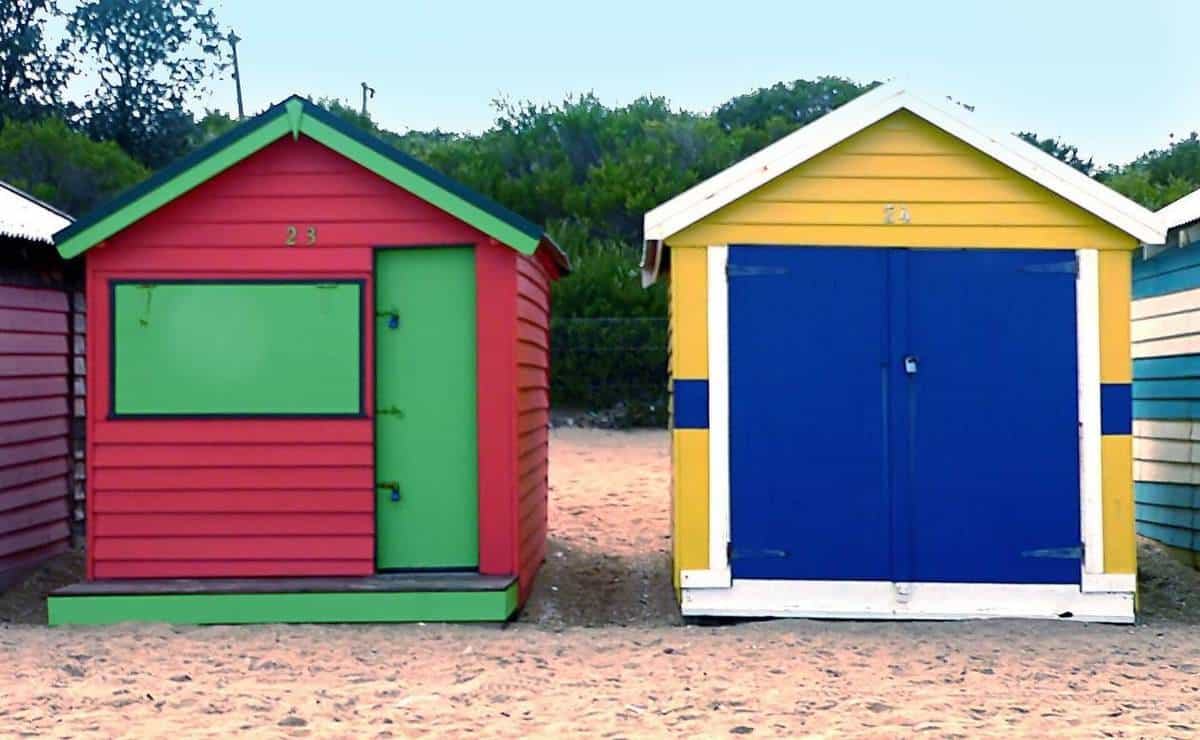
The rows of brightly painted bathing boxes along parts of the bayside are among Melbourne’s most recognisable sights. Some practical points:
- They’re private. The boxes are owned by individuals, so don’t climb on them, sit on their decks, open doors or move items. Photograph them from the sand.
- Early is easier. On fine weekends and holidays, crowds gather for photos. Early mornings give clean shots and soft light.
- Look for patterns. A longer lens from an angle compresses the row into a strip of colour; a wide lens up close emphasises one box against the sky.
- Respect owners. If a box owner is using it, give them space and leave them out of your frame unless they’re happy to be included.
Piers and breakwaters
Piers lead the eye out over the water and make strong compositions in almost any light. Long exposures at dusk smooth the water and streak the clouds. On windy days, waves breaking against breakwaters add drama. Stay well back from edges, watch for slippery surfaces and don’t block anglers or other pier users.
Sunsets and twilight
Sunset over the bay is the obvious draw, but the best colour often comes after the sun has gone. Geoscience Australia defines civil twilight as lasting until the sun’s centre is 6 degrees below the horizon. Stay for 20 to 30 minutes after sunset to see the sky change. Use our golden hour calculator to check sunrise, sunset and twilight times for your date, and check the Bureau of Meteorology forecast for cloud and wind. Some high cloud often makes for better colour than a perfectly clear sky.
Wildlife
The bay is home to birds, dolphins, seals and, famously, a colony of little penguins at the St Kilda breakwater. Treat wildlife with care:
- No flash on penguins or other animals at night. Viewing guidance at the breakwater asks visitors not to use flash.
- Keep your distance and never feed or touch wildlife.
- Follow signs and volunteers. Viewing areas exist to protect the animals.
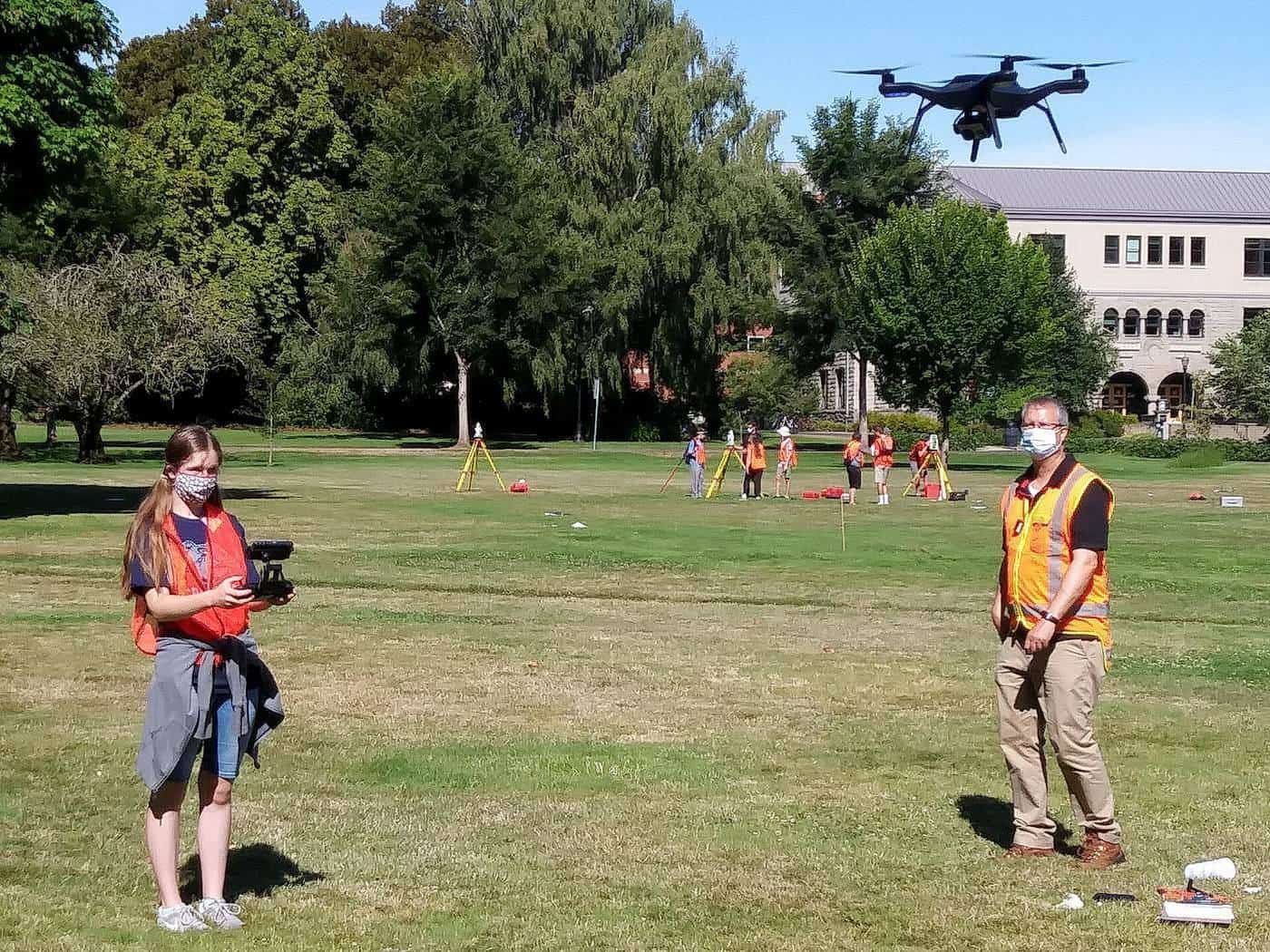
- Drones disturb wildlife. Many reserves and park areas restrict drone use; check before flying.
Beaches and people
Beaches are public places, and Arts Law explains that photography in public places is generally allowed without asking permission. But beaches are also places where people are partly dressed and relaxing, and children play. Be especially considerate, avoid photographing children you don’t know, and never photograph anyone in a way that could be indecent or intrusive. Arts Law notes there are criminal offences relating to indecent images and voyeurism. Our street photography ethics guide covers courtesy in public places.
Commercial shoots and permits
Many foreshore reserves are managed by local councils or Parks Victoria. Parks Victoria says filming and photography for commercial purposes in parks it manages generally requires a permit, while recreational photography generally doesn’t. Councils have their own rules. If you’re planning a paid shoot, such as engagement or family photos on the beach, check who manages the land and whether a permit is needed. Read our permits guide.
Drones on the bay
Beaches and foreshores are often busy with people, which matters under CASA’s rules: recreational pilots must not fly over or above people and must keep at least 30 metres from them. Some bayside areas are also close to airports or helicopter landing sites. See our drone guide.
Protecting your gear
Sand and salt are hard on equipment. Change lenses away from the wind, keep a cloth handy for salt spray, avoid putting bags directly on wet sand and wipe gear down after a beach shoot. A simple UV or clear filter can protect the front of a lens from spray.
Composition ideas
- Silhouettes: walkers, swimmers or boats against the sunset.
- Long exposures: smooth water around piers or rocks at dusk.
- Colour and pattern: bathing boxes, umbrellas and beach huts.
- Leading lines: piers, groynes and footprints in the sand.
- Weather: storm clouds over the bay can be more striking than clear skies.
Getting there without a car
Most of the places in this section are easy to reach by public transport. Trams run through the CBD and along the main roads to the bay, and trains serve the bayside suburbs. Travelling light with a small bag, one camera and one or two lenses makes moving between locations easier, especially at busy times. Check timetables for late-night return trips if you plan to stay for blue hour or night shots.
What to pack
A compact kit is usually best for a day of photographing Melbourne: a camera or phone, a spare battery and memory card, a small cloth for rain or spray, a light rain jacket for the city’s changeable weather, water and a snack. A small travel tripod is useful at dusk, and a polarising filter helps with reflections on water and glass. Leave anything you don’t need at home; carrying less makes you more nimble and less conspicuous.
Revisiting the same place
One of the best ways to improve is to return to the same location in different light, weather and seasons. A laneway in winter rain looks completely different from the same lane on a summer evening. Keeping notes on the time, light direction and conditions of each visit helps you plan the next one. Over time you build a personal map of when each place looks its best.
Sharing your location photos
When you share photos online, think about the effect of tagging exact locations, especially fragile natural areas or places where wildlife lives. Popular tags can bring crowds that damage plants or disturb animals. For private property such as bathing boxes or homes, avoid sharing details that could identify owners. Crediting murals with the artist’s name, where you know it, is a good habit.
Accessibility
Many of Melbourne’s main photo spots, including riverside paths, the bayside foreshore and major gardens, have accessible paths, though laneways can be cobbled and uneven. Check the land manager’s website for accessibility information, such as accessible toilets, parking and step-free routes, before you go.
How we write our guides
Every guide on this site is written in our own words from official and expert sources, such as the Arts Law Centre of Australia, the City of Melbourne, Royal Botanic Gardens Victoria, Parks Victoria, CASA, Geoscience Australia, the Bureau of Meteorology and the ACCC. We link to each source at the end of the page. We never invent statistics, quotes, prices or reviews, and we don’t accept payment to change what our guides say.
Tides, wind and safety
Bayside photography depends heavily on conditions. Wind direction changes the water from glassy to choppy within an hour, and a calm morning is often the best time for reflections around piers and bathing boxes. Check the Bureau of Meteorology forecast for wind and any warnings before you set out. Rocks, pier edges and wet sea walls can be slippery, especially at dusk when you’re concentrating on the viewfinder rather than your footing, so keep your bag zipped and your tripod legs on stable ground. Salt spray settles on lenses and filters quickly; wipe them with a clean cloth and rinse gear that gets wet. Beaches are shared spaces used by swimmers, families, dog walkers and anglers. Avoid photographing children you don’t know, and give people sunbathing or changing their privacy even where the law might allow a photo. Bathing boxes are privately owned, so photograph them from the public beach and avoid treating them as props, sitting on them or moving owners’ belongings. Where foreshore reserves are managed by Parks Victoria or a council, follow their signs and stay on marked paths through the dunes.
Key points
- Many bay beaches face west, so the sun sets over the water.
- Bathing boxes are private: photograph from the sand and don’t climb or open them.
- Don’t use flash on penguins or other wildlife, and keep your distance.
- Commercial shoots in parks and reserves generally need a permit from the land manager.
- Be especially considerate on beaches, where people relax and children play.
Frequently asked questions
When is sunset over Port Phillip?
It changes through the year. Use our golden hour calculator for the date you’re planning. West-facing beaches catch the sun setting over the water.
Can I photograph the Brighton bathing boxes?
You can photograph them from the beach. The boxes are privately owned, so don’t climb on them, open them or treat them as your own set.
Can I use flash on the penguins at St Kilda?
Avoid it. Wildlife viewing guidance at the St Kilda breakwater asks visitors not to use flash, which can disturb the birds.
Do I need a permit for a beach photo shoot?
Personal photos usually don’t. Commercial shoots in parks and reserves managed by Parks Victoria or a council generally need a permit, so check who manages the site.
Sources and further reading
Facts on this page were checked against these primary and official sources. Conditions change — confirm before you travel or buy.
- Apply for a filming and photography permit — Parks Victoria
- Street photographer's rights — Arts Law Centre of Australia
- Drone rules — Civil Aviation Safety Authority
- Astronomical definitions — Geoscience Australia
- Melbourne forecast — Bureau of Meteorology