Aerial photos of Melbourne’s grid, the bay and the river are spectacular, and small camera drones make them seem easy. But Melbourne is a city of people, buildings and controlled airspace, and drone rules are strict. Breaking them can endanger people and aircraft and lead to fines. This guide explains the Civil Aviation Safety Authority’s (CASA) standard rules for recreational drone pilots in plain language, and how they apply around Melbourne.
This guide is general information written in our own words, based on the sources listed at the end. It isn't legal advice. Rules, permit conditions and access arrangements change, so check with the land manager or authority before a shoot, especially if it's paid work. We're an independent site and aren't connected with any council, park manager or photography business.
CASA’s standard drone rules
CASA publishes a set of drone rules for people flying for fun. In summary, you must:
- Fly no higher than 120 metres above ground level.
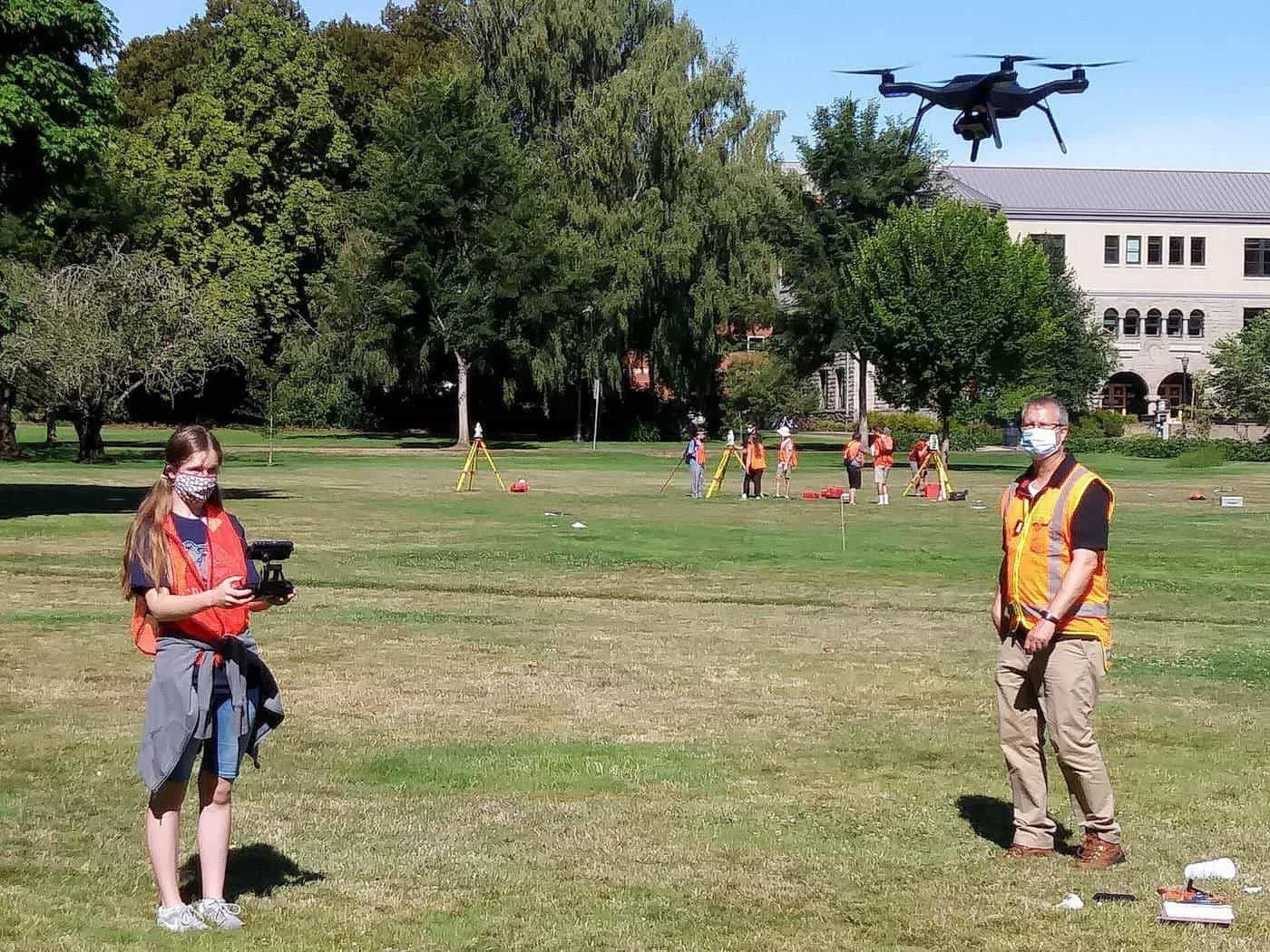
- Keep at least 30 metres away from other people.
- Fly only one drone at a time.
- Keep your drone within visual line of sight, meaning you can see it with your own eyes rather than only through a screen or goggles.
- Not fly over or above people, including at beaches, parks, events or sports ovals.
- Not fly in a way that creates a hazard to another person, property or aircraft.
- Fly only during the day, and not through cloud or fog.
- Keep away from emergency operations, such as fires, police operations and search and rescue.
- Respect personal privacy: don’t record or photograph people without their consent.
Check CASA’s current rules before every new kind of flight; they’re updated from time to time.
Populous areas
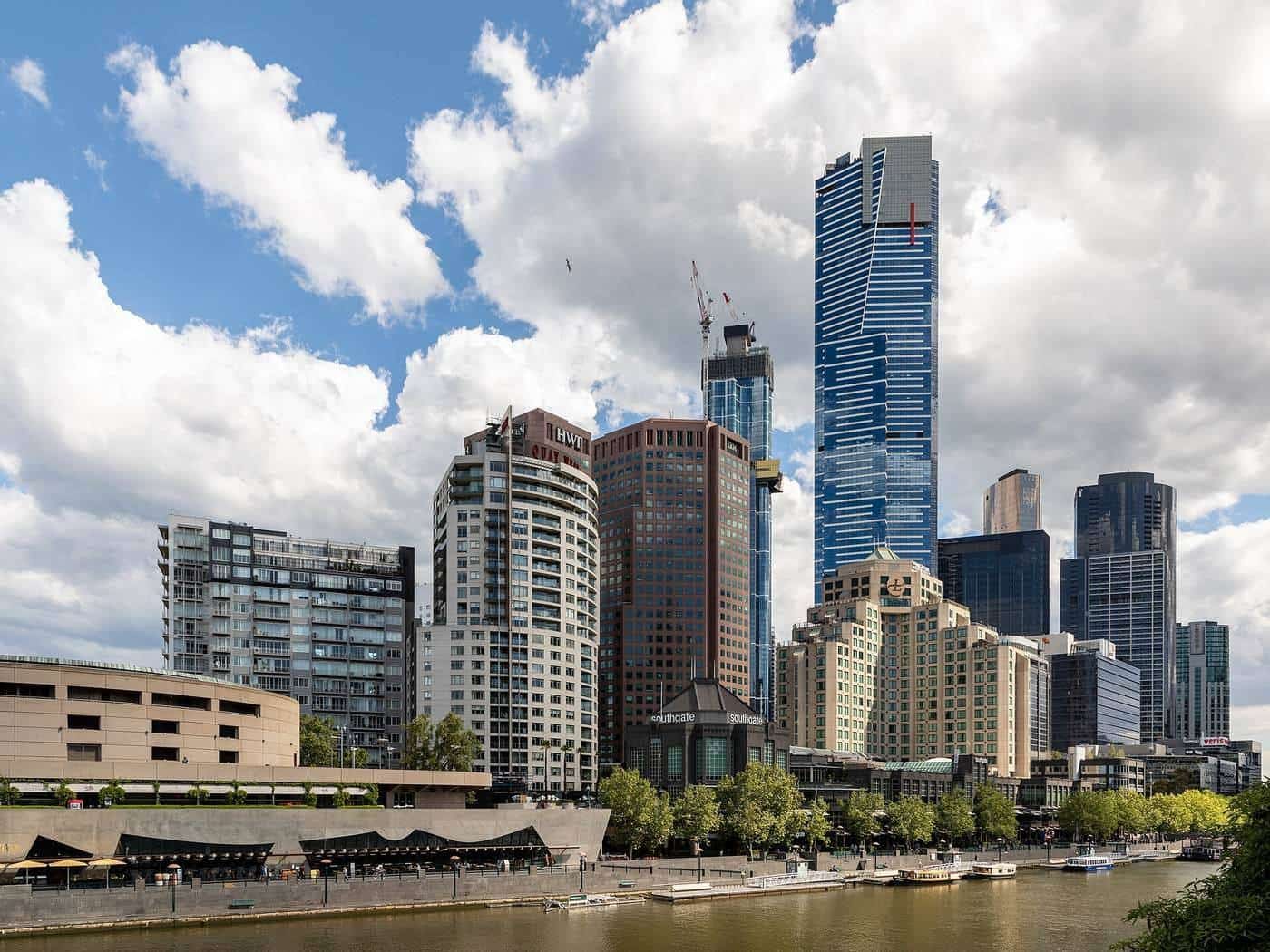
CASA’s rules say recreational pilots must not fly over populous areas such as beaches, parks, events or sports ovals where people are present. In practice, a busy city centre like Melbourne’s CBD, with crowds on every footpath, is a populous area. That makes most CBD flying off-limits for recreational pilots.
Airports and controlled airspace
CASA explains that you must not fly within 5.5 kilometres of a controlled aerodrome (one with a control tower) unless you follow specific rules, and you must stay clear of helicopter landing sites. Melbourne has several airports and many hospital and other helicopter landing sites. CASA lists approved drone safety apps that show where you can and can’t fly; use one before every flight.
Parks, gardens and reserves
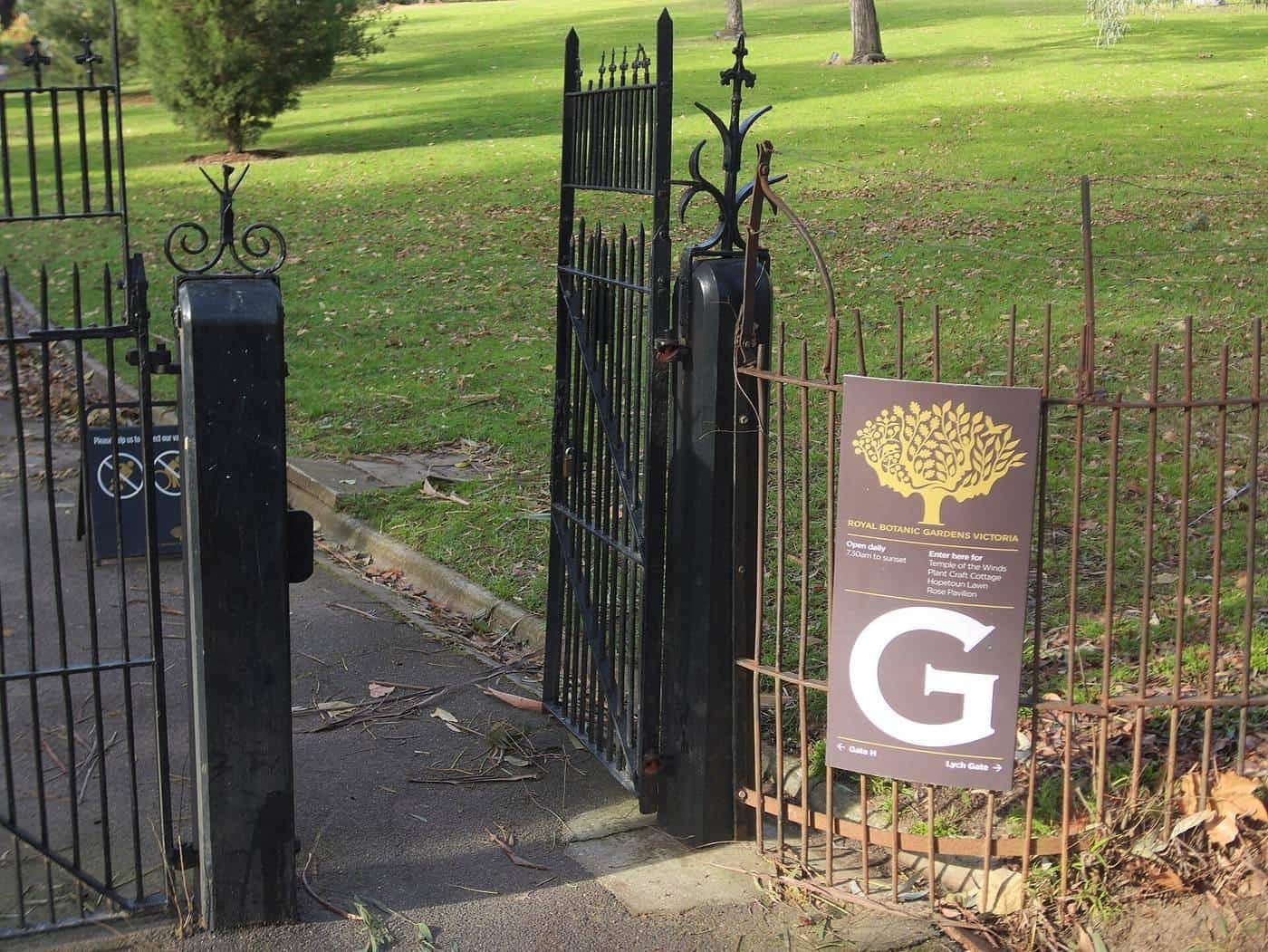
On top of CASA’s rules, land managers can restrict where you take off and land. Parks Victoria and councils set rules for drone use on land they manage, and Royal Botanic Gardens Victoria handles filming and photography, including aerial filming, through its permit process. Check the land manager’s current rules before flying.
Wildlife
Drones can disturb birds and animals, including seabirds, shorebirds and penguins around the bay. Keep your distance, avoid nesting areas, and land if birds react to the drone.
Privacy
CASA’s rules ask pilots to respect personal privacy and not record people without consent. Victoria’s surveillance devices laws may also apply in some situations. Avoid hovering near homes, backyards or windows.
Flying for work
If you’re paid for drone photos, or use a drone for business, different rules apply. CASA explains requirements such as registering the drone and holding an accreditation or remote pilot licence, depending on the type of flying and drone. Commercial operators may also need land manager permits. If you’re hiring a photographer who offers drone shots, ask how they meet CASA requirements.
Planning a legal aerial shot
- Choose a location away from crowds and outside restricted airspace.
- Check a CASA-approved safety app before you go and on the day.
- Check land manager rules for where you plan to take off.
- Check the weather. Wind gusts at height can be much stronger than at ground level.
- Fly early, when parks and beaches are quiet, but not before civil twilight ends in the morning if the rules require daylight.
- Keep the drone in sight and have a plan to land if people arrive.
Alternatives to drones
For elevated views of Melbourne without a drone, try public observation decks, rooftop bars that allow photography, bridges, hills and multi-level car parks (where photography isn’t prohibited). These can give strong “above” views legally and with no flight risk.
Keeping up to date
Laws, permit criteria and CASA rules change from time to time. We review this guide against its sources and show the date it was last checked, but always confirm with the official source before relying on it for a particular shoot. If you notice something out of date, please tell us through our contact page.
Getting legal help
This guide is general information. If you need advice about your situation, the Arts Law Centre of Australia offers legal advice to artists and arts organisations, and community legal centres across Victoria provide free help on many legal problems. For permits, the land manager is usually the best first contact. For drones, CASA’s website and approved safety apps are the authoritative sources.
A quick decision guide
Ask yourself four questions before any shoot. Who manages the place: a council, a park authority or a private owner? Is the shoot personal or commercial? Will it involve equipment, a crew or exclusive use of space? Will you use the photos to advertise something or show identifiable people? If the answers point to commercial use, equipment or advertising, check permits, permissions and releases before you go.
Respect goes further than rules
Following the rules is the baseline. Being considerate of other people, wildlife and places is what keeps photography welcome in shared spaces. Most conflicts between photographers and the public start with blocked paths, ignored requests or a lack of courtesy, not with a breach of the law. A friendly explanation and willingness to move usually resolves things quickly.
Common myths
Common myths include that you always need consent to photograph people in public, that you need a permit for any photo in a park, and that buildings can’t be photographed without permission. As this guide explains, the real position is more nuanced: generally allowed in public, with specific limits, and with permits mostly aimed at commercial and higher-impact shoots.
How we write our guides
Every guide on this site is written in our own words from official and expert sources, such as the Arts Law Centre of Australia, the City of Melbourne, Royal Botanic Gardens Victoria, Parks Victoria, CASA, Geoscience Australia, the Bureau of Meteorology and the ACCC. We link to each source at the end of the page. We never invent statistics, quotes, prices or reviews, and we don’t accept payment to change what our guides say.
About this site
Photography Melbourne is an independent guide to photographing Melbourne: where to go, when the light is best, the rules that apply and how to work respectfully. We’re not a photography business, council, park manager or government agency, and we don’t sell or rank photographers or equipment. Our guides are general information with sources listed on every page.
Corrections and feedback
We review our guides against their sources and show the date each page was last checked. If you notice something out of date or incorrect, such as a change to a permit process or CASA rule, please tell us through our contact page. We read every message and correct mistakes promptly.
Plan with the golden hour calculator
Our free golden hour calculator shows sunrise, sunset, golden hour and blue hour for central Melbourne on any date, in Melbourne local time. It runs entirely in your browser, and nothing you enter is sent anywhere.
Before every flight
A short routine before each flight keeps you safe and legal. Open a CASA-verified drone safety app to check whether the location is near an airport, helicopter landing site or restricted area, and whether any temporary restrictions apply. Check the land manager’s rules too: many parks, gardens and council reserves restrict or prohibit drone take-off and landing, even where the airspace itself is open. Look at the weather, because wind higher up can be much stronger than it feels on the ground. Scan for people, roads and events nearby, and remember that CASA’s rules require you to keep your distance from people and not fly over or above groups. Check your batteries, propellers and firmware, and plan a landing spot. During the flight, keep the drone within your visual line of sight and land promptly if a crewed aircraft appears, someone approaches, or conditions change. Afterwards, think carefully about privacy before sharing footage that shows identifiable people or backyards. If you plan to fly for money, read CASA’s guidance on registration and accreditation first.
Key points
- CASA’s standard rules: 120 m maximum height, 30 m from people, line of sight, daytime, one drone.
- Don’t fly over people or populous areas; most of the CBD is off-limits for recreational pilots.
- Stay 5.5 km from controlled aerodromes unless rules allow, and clear of helicopter landing sites.
- Land managers can restrict drone use in parks and gardens.
- Flying for money has extra CASA requirements.
Frequently asked questions
Can I fly a drone in Melbourne’s CBD?
For recreational pilots, it’s very limited. CASA rules say not to fly over people or in populous areas, to keep 30 metres from people, and to stay clear of controlled airspace near airports.
How high can I fly my drone?
CASA’s standard rule is no higher than 120 metres above ground level.
Do I need a licence to sell my drone photos?
Flying for business or for money is treated differently from recreational flying. CASA explains registration and accreditation or licensing requirements for commercial operators. Check CASA before doing paid work.
Can I fly a drone in parks?
Land managers such as Parks Victoria and councils can restrict drone use on land they manage, as well as CASA rules. Check before flying.
Sources and further reading
Facts on this page were checked against these primary and official sources. Conditions change — confirm before you travel or buy.
- Drone rules — Civil Aviation Safety Authority
- Flying near airports and helicopter landing sites — Civil Aviation Safety Authority
- Apply for a filming and photography permit — Parks Victoria
- Filming and photography — Royal Botanic Gardens Victoria