Every time you take a photo, you create something that copyright law can protect. And every time you photograph a building, a mural or a sculpture, you may be capturing someone else’s copyright work. For most personal photography this never matters. But if you sell photos, share them widely, hire a photographer or work as one, it’s worth understanding the basics. This guide explains them, drawing on the Arts Law Centre of Australia and the Copyright Act 1968.
This guide is general information written in our own words, based on the sources listed at the end. It isn't legal advice. Rules, permit conditions and access arrangements change, so check with the land manager or authority before a shoot, especially if it's paid work. We're an independent site and aren't connected with any council, park manager or photography business.
Who owns a photo?
Arts Law explains that if you create something capable of copyright protection, you will usually own the copyright. For photographs, that means the person who takes the photo is generally the first owner. Copyright arises automatically: there’s no need to register it or add a © symbol.
There are exceptions, which Arts Law lists:
- Employment. If you take photos as an employee in the course of your job, your employer generally owns the copyright. This doesn’t apply to contractors, freelancers or volunteers.
- Assignment. You can transfer copyright to someone else in writing.
- Certain commissioned works. See below.
- Government. The Commonwealth or a State owns copyright in material made under its direction or control.
Commissioned photos for private or domestic purposes
This is the rule that surprises many people. Section 35(5) of the Copyright Act says that where someone pays for a photograph to be taken for a private or domestic purpose, the person who paid owns the copyright. The Act defines a private or domestic purpose to include a portrait of family members, a wedding party or children. Arts Law gives wedding photographs as the example.
There’s an important qualification: if the client made the purpose known when the agreement was made, the photographer is entitled to restrain the photos being used for other purposes.
Both sides can agree to a different arrangement. Many photographers’ contracts state that the photographer keeps copyright and gives the client a licence to use the photos. If you’re hiring a photographer, read the contract carefully. If you’re a photographer, make sure your contract says what you intend. See our hiring a photographer guide.
Commercial commissions
For photos commissioned for other purposes, such as business, advertising or products, the photographer is generally the first owner of copyright unless the contract says otherwise. Clients usually receive a licence to use the photos for agreed purposes. Again, the contract is key.
Photographing buildings, sculptures and public art
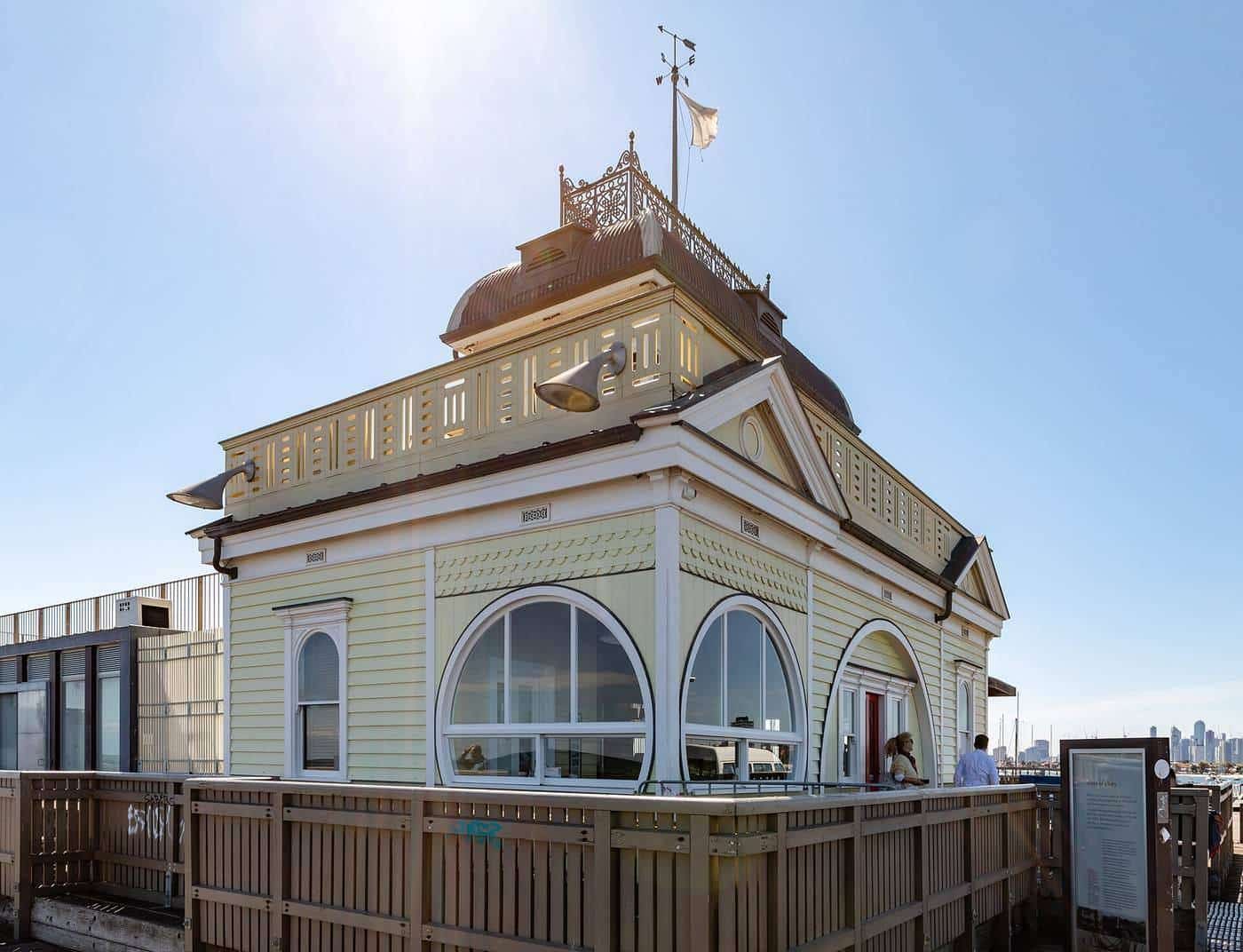
Arts Law explains that the Copyright Act allows people to take and publish photographs of buildings and models of buildings, and of sculptures and works of artistic craftsmanship permanently situated in a public place or in premises open to the public, without infringing copyright. That covers photos of Melbourne’s architecture and its public sculptures.
But Arts Law notes this exception doesn’t apply to other public art, such as murals. Photographing a mural for personal use is rarely a problem, but selling prints or using a mural prominently in advertising may need the artist’s permission. Arts Law also notes that whether there is an infringement depends on whether a substantial part of the work is reproduced, and that incidental inclusion of a work may be treated differently.
Inside galleries and museums
Arts Law notes your right to photograph inside galleries and museums may be limited by the conditions of entry. Even where photos are allowed, artworks on display may still be protected by copyright.
Trade marks and logos
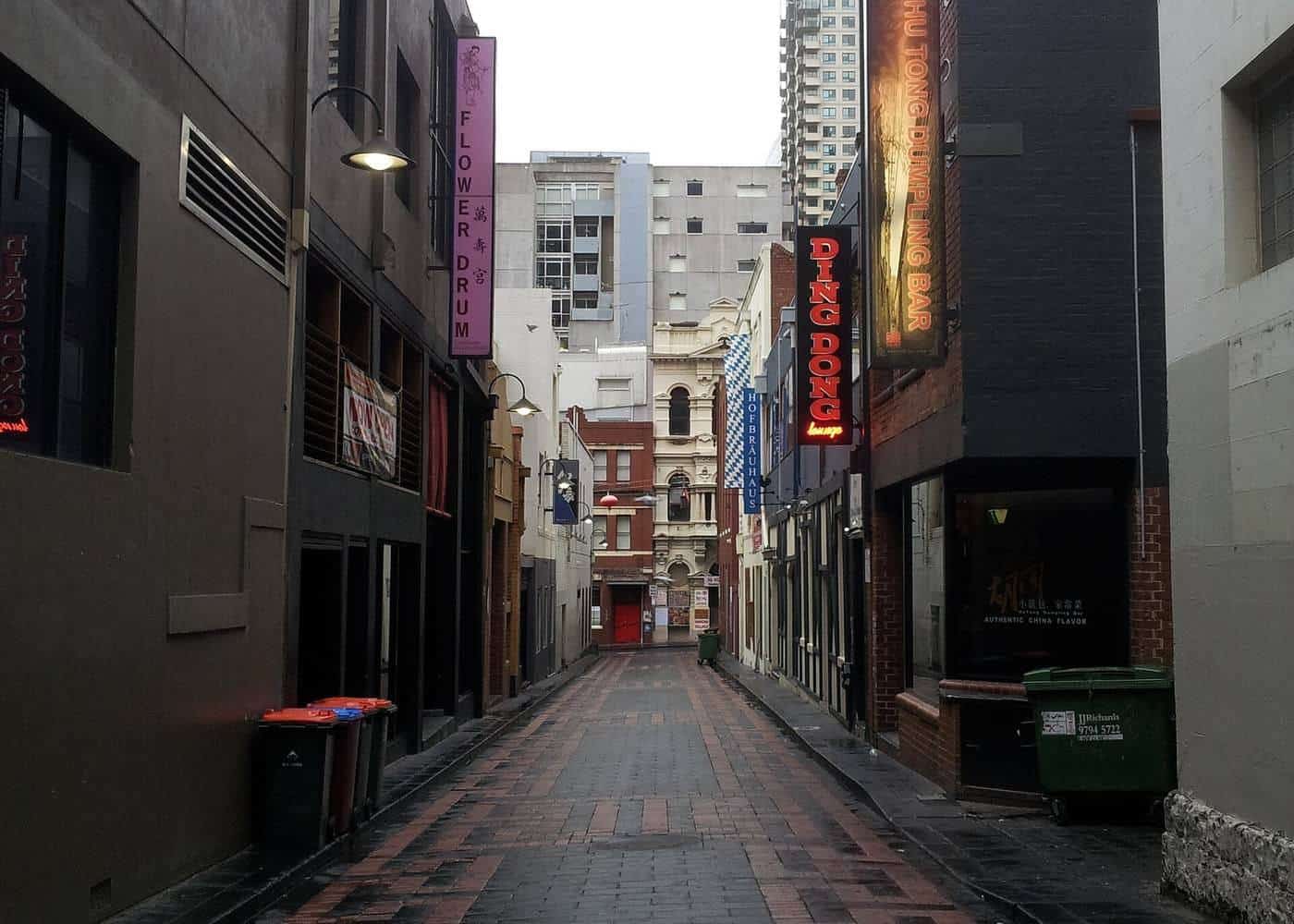
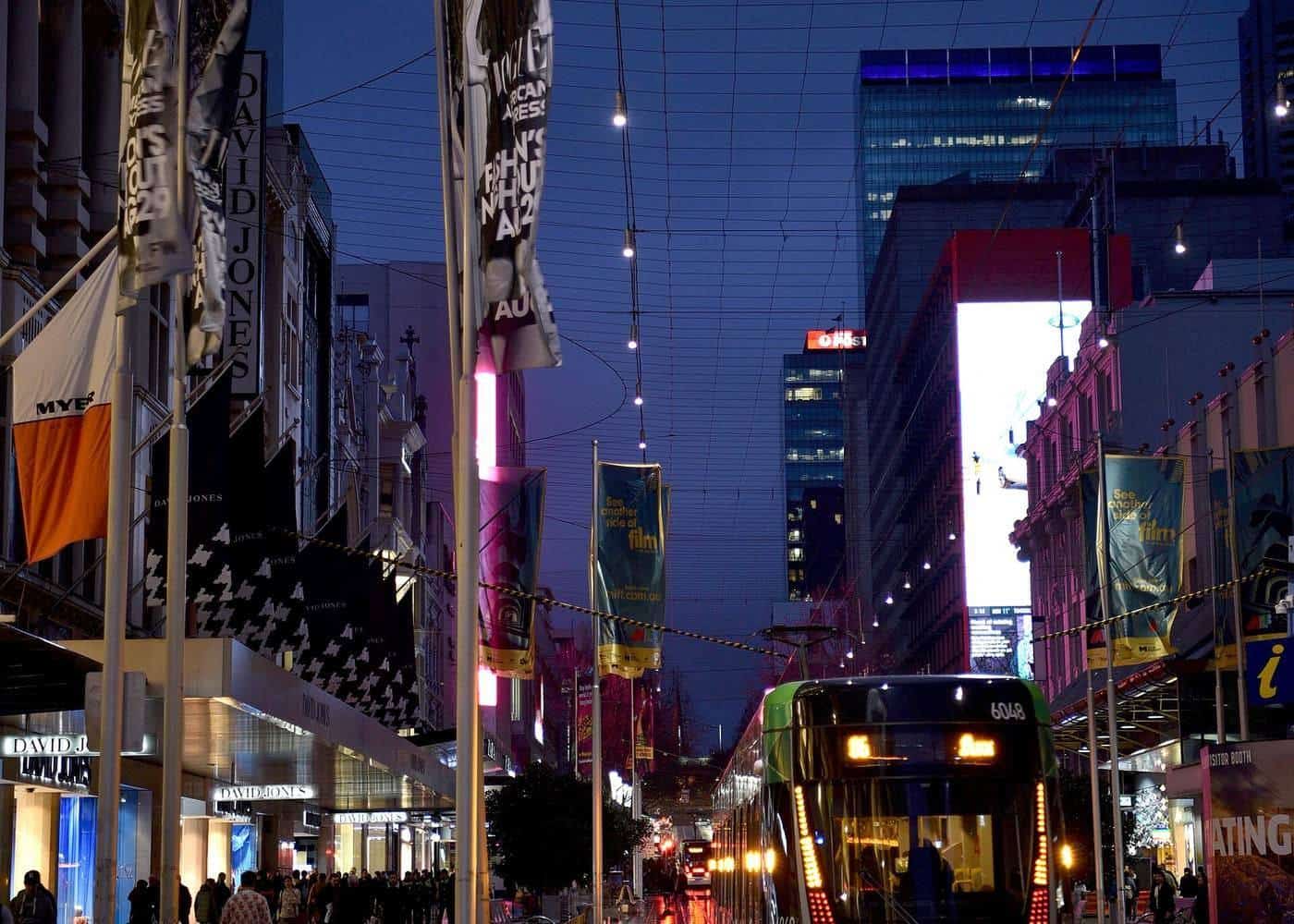
Arts Law explains that photographing a trade mark, such as a logo on a building in a streetscape, generally isn’t trade mark infringement, because the mark isn’t being used to indicate the origin of goods or services. A logo can, however, also be a copyright artistic work.
People in your photos
A person in a photo doesn’t acquire copyright in it, Arts Law notes. But if you use someone’s image commercially, consumer law and passing off may apply, so get a model release. See our photography in public guide.
Sharing and protecting your photos
- Keep originals and metadata as evidence of authorship.
- Add your name in metadata and captions.
- Read platform terms. Social media sites take a licence to content you upload.
- Use clear licences if you want others to reuse your work, such as Creative Commons licences.
- Credit others properly. Every photo on this site is credited to its author with its licence.
If someone uses your photo without permission
Contact the person or platform, explain that you own the copyright and ask for removal, credit or payment. Arts Law and community legal centres can help with advice.
Keeping up to date
Laws, permit criteria and CASA rules change from time to time. We review this guide against its sources and show the date it was last checked, but always confirm with the official source before relying on it for a particular shoot. If you notice something out of date, please tell us through our contact page.
Getting legal help
This guide is general information. If you need advice about your situation, the Arts Law Centre of Australia offers legal advice to artists and arts organisations, and community legal centres across Victoria provide free help on many legal problems. For permits, the land manager is usually the best first contact. For drones, CASA’s website and approved safety apps are the authoritative sources.
A quick decision guide
Ask yourself four questions before any shoot. Who manages the place: a council, a park authority or a private owner? Is the shoot personal or commercial? Will it involve equipment, a crew or exclusive use of space? Will you use the photos to advertise something or show identifiable people? If the answers point to commercial use, equipment or advertising, check permits, permissions and releases before you go.
Respect goes further than rules
Following the rules is the baseline. Being considerate of other people, wildlife and places is what keeps photography welcome in shared spaces. Most conflicts between photographers and the public start with blocked paths, ignored requests or a lack of courtesy, not with a breach of the law. A friendly explanation and willingness to move usually resolves things quickly.
Common myths
Common myths include that you always need consent to photograph people in public, that you need a permit for any photo in a park, and that buildings can’t be photographed without permission. As this guide explains, the real position is more nuanced: generally allowed in public, with specific limits, and with permits mostly aimed at commercial and higher-impact shoots.
How we write our guides
Every guide on this site is written in our own words from official and expert sources, such as the Arts Law Centre of Australia, the City of Melbourne, Royal Botanic Gardens Victoria, Parks Victoria, CASA, Geoscience Australia, the Bureau of Meteorology and the ACCC. We link to each source at the end of the page. We never invent statistics, quotes, prices or reviews, and we don’t accept payment to change what our guides say.
About this site
Photography Melbourne is an independent guide to photographing Melbourne: where to go, when the light is best, the rules that apply and how to work respectfully. We’re not a photography business, council, park manager or government agency, and we don’t sell or rank photographers or equipment. Our guides are general information with sources listed on every page.
Protecting and licensing your own photos
Copyright arises automatically in Australia; Arts Law explains that you don’t need to register a photo or add a copyright symbol for it to be protected. Even so, a few habits make your rights easier to enforce. Keep original files with their metadata, and add your name and contact details to the metadata so a copy can be traced back to you. When you share online, read the platform’s terms, because uploading usually grants the platform a licence to display your work. When someone asks to use a photo, put the arrangement in writing: what can be used, where, for how long, whether it is exclusive and what credit or fee applies. Arts Law publishes information sheets and sample agreements that can help with licensing. If you find your photo used without permission, start by checking whether the use falls within an exception such as fair dealing for reporting news, then consider a polite request to credit, license or remove it. For anything complex or valuable, seek advice from Arts Law or a lawyer before escalating.
Key points
- The photographer generally owns copyright, unless an exception applies.
- Paid photos for a private or domestic purpose, such as weddings, generally belong to the client under section 35, unless agreed otherwise.
- Contracts can change the default; read them carefully.
- Photos of buildings and public sculptures can generally be published, but murals aren’t covered by that exception.
- Get a model release for commercial use of a person’s image.
Frequently asked questions
Who owns copyright in a photo in Australia?
Generally the photographer who took it, unless an exception applies, such as employment, a written assignment or certain commissioned photos.
Who owns copyright in wedding photos?
Under section 35 of the Copyright Act, if you pay for photos for a private or domestic purpose, such as a wedding, you as the client generally own copyright, unless you agree otherwise. The photographer can restrict other uses if the purpose was made known.
Can I photograph and sell pictures of buildings?
Arts Law explains the Copyright Act allows photographs of buildings, sculptures and works of artistic craftsmanship permanently in public places to be taken and published without infringing copyright.
Can I sell photos of street art murals?
Arts Law notes the public art exception doesn’t apply to murals, so commercial use may need the artist’s permission.
Sources and further reading
Facts on this page were checked against these primary and official sources. Conditions change — confirm before you travel or buy.
- Copyright information sheet — Arts Law Centre of Australia
- Copyright Act 1968, section 35: ownership of copyright — AustLII
- Street photographer's rights — Arts Law Centre of Australia